
Reviewed · MALAYSIAN STREET FOOD TOURS
Kuala Lumpur: Sambal Street Food Tour with 15+ Tastings
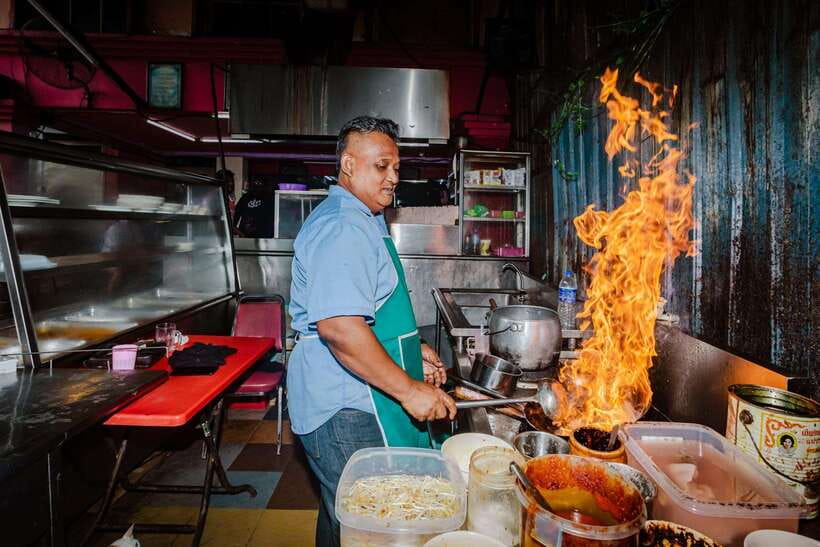
Kuala Lumpur’s best food lesson may happen around a plastic table, not in a polished restaurant. This four-hour street food walk takes you through local parts of the city for more than 15 tastings, from roti canai and nasi lemak to grilled mackerel with sambal and cendol with durian. I like the generous range and the chance to try dishes you might skip when faced with an unfamiliar menu.
I also like the small eight-person limit. Guides such as Kiran, Nadia, Ian, Steve, Sam, and Sean have been praised for explaining ingredients, adjusting spice levels, helping with food needs, and keeping the pace comfortable. The main catch is simple: there is a lot to eat. Vegetarians, vegans, and people with severe allergies should choose another tour, and even hearty eaters should arrive very hungry.
In This Review
- Key points to know before booking
- A food tour that treats Kuala Lumpur as a meeting point of cultures
- Meeting the guide outside Hilton Garden Inn South
- Chow Kit begins with ingredients, markets, and local life
- Roti canai offers the most hands-on stop
- Malaysian classics arrive in generous portions
- Grilled mackerel and sambal bring the heat
- Sweets, fruit, and the durian question
- What the eight-person limit changes
- Is $53 good value for four hours?
- Dietary limits need careful thought
- Rain, heat, and what to bring
- Who should book the Sambal Street Food Tour?
- Should you book it?
- FAQ
- How long does the Kuala Lumpur street food tour last?
- How many tastings are included?
- Where does the tour meet?
- What language is the tour conducted in?
- How large is the group?
- Is the tour suitable for vegetarians or vegans?
- What should I bring?
Key points to know before booking
- More than 15 tastings: Expect a full meal’s worth of Malaysian classics, snacks, drinks, fruit, and sweets.
- Chow Kit and Kampung Baru: You’ll see traditional local neighbourhoods and eateries away from the usual tourist circuit.
- Small group of eight: The size makes it easier to ask questions and get help with spice levels or unfamiliar dishes.
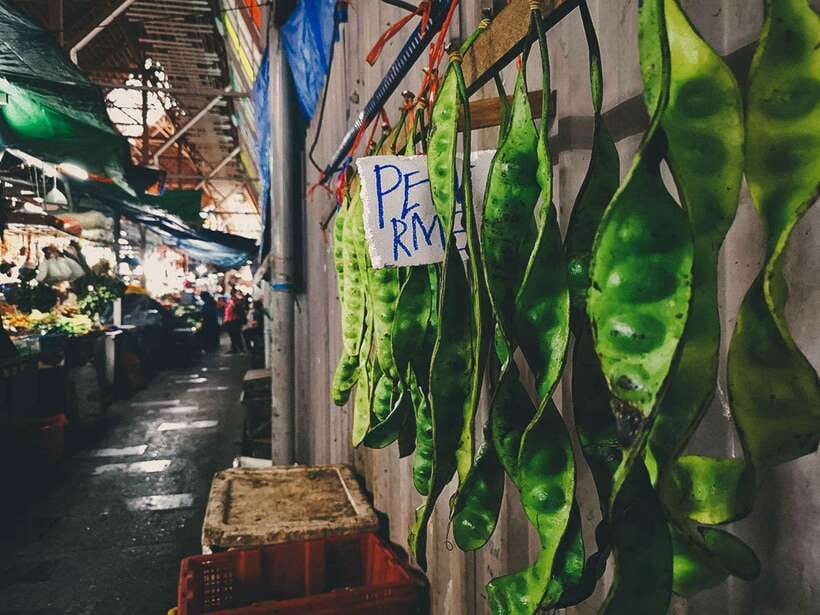
- Market and ingredient lesson: The walk includes a look at the produce and ingredients used in Malaysian cooking.
- Rain or shine: Bring comfortable shoes, an umbrella, and rain gear for Kuala Lumpur’s changeable weather.
- Best for adventurous eaters: Meat and seafood feature heavily, while vegan, vegetarian, and severe allergy needs are not well suited here.
A food tour that treats Kuala Lumpur as a meeting point of cultures
Malaysian food can seem confusing at first because it reflects Malay, Chinese, Indian, and other food traditions. A plate of nasi lemak, a bowl of curry laksa, and a freshly cooked roti canai may feel like unrelated dishes. On this tour, the guide connects them through ingredients, cooking methods, family traditions, and Malaysia’s wider cultural story.
That context is what makes the four hours useful. You are not just eating one dish after another. You are learning what you are looking at, how it is prepared, and why certain flavours appear again and again. Chili, coconut, rice, curry, grilled meats, seafood, herbs, and sweetened drinks all begin to make more sense.
I especially like this approach early in a Kuala Lumpur visit. Once you know the difference between a few common dishes, you can order with more confidence for the rest of your trip. You may even return to Kampung Baru or the market on your own, as one participant did after enjoying the area so much.
More Malaysian Street Food Tours in Kuala Lumpur
- Sambal Streets Kuala Lumpur Food Tour with 15+ Tastings
★ 5.0 · 2,438 reviews - The 10 Tastings of Kuala Lumpur With Locals: Private Street Food Tour
★ 5.0 · 249 reviews - Kuala Lumpur Local Street Food Private Walking Tour by Night
★ 4.5 · 224 reviews
Meeting the guide outside Hilton Garden Inn South
The meeting point is outside the entrance of the Hilton Garden Inn South, on the corner of Jalan Raja Alang and Jalan Tuanku Abdul Rahman. Pay close attention to the word South, since there is another Hilton Garden Inn in Kuala Lumpur.
From there, your English-speaking guide leads the group on foot. The guides named in recent tour experiences include Kiran, Nadia, Ian, Steve, Sam, Sean, Jay, Stephen, Shawn, and others. The strongest pattern is that the guide matters a lot here. Kiran is described as warm, funny, and attentive, while Nadia is praised for her care and clear explanations. Ian, Sam, Steve, and Sean are also noted for answering questions and helping people manage different spice tolerances.
That variety is worth knowing because each guide will have a different personality. The common job is to keep the group moving, order a broad range of food, explain what arrives, and watch out for individual needs. One guide even helped a participant find the LRT station after the tour, a useful kindness if you are still getting your bearings in Kuala Lumpur.
Chow Kit begins with ingredients, markets, and local life
The early part of the walk takes you toward the Chow Kit area, including a local eatery and market-style food stops. This is where the tour gives you a practical introduction to the ingredients behind Malaysian cooking.
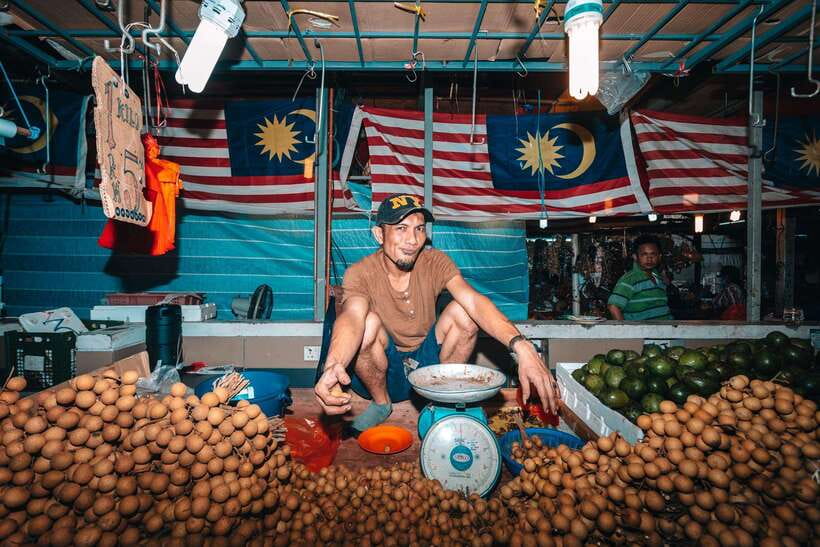
You might see fresh produce, herbs, seafood, chilies, and other items that are hard to identify when they appear on a menu. The guide explains how those ingredients are used, which gives you a better feel for the food before the tasting begins. This stop is less about taking photographs and more about learning how the cooking starts.
Chow Kit also helps put Kuala Lumpur’s food culture in a real neighbourhood setting. You are not being led from one famous landmark to another. You are walking through an area where people shop, eat, and carry on with daily life. The surroundings may feel more practical than pretty, but that is part of the point.
The walk itself is manageable for most people, but it is still a four-hour outing in a warm city. You will move between stops, cross streets, and spend time standing. Good footwear is not optional here, especially if rain has made the pavement slick.
Roti canai offers the most hands-on stop
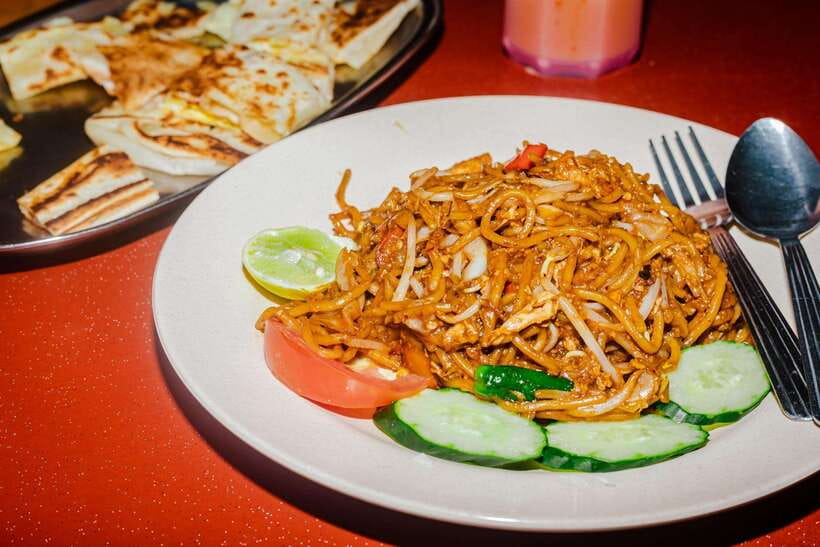
One of the most memorable parts is the roti canai demonstration and tasting. This Indian-influenced Malaysian flatbread is made by stretching and flipping dough before it is cooked on a hot surface. The tour gives you a chance to try the flipping yourself.
That small hands-on moment adds life to the usual eat-and-listen format. Roti canai is also a good gateway dish. It is crisp around the edges, soft inside, and served with curry for dipping. The flavours are familiar enough for cautious eaters, but the preparation shows how much skill can go into a food that looks simple on the plate.
The curries served alongside the roti help you notice the balance of spice, creaminess, and aromatics. If you are worried about heat, tell your guide at the beginning. Several guides have shown care with spice levels, but it is best to make your needs clear before the first order arrives.
Same city, a completely different kind of day:
- Kuala Lumpur: Batu Caves Half-Day Tour with Pick-Up Option
★ 4.5 · 4,288 reviews - Private Half-Day Batu Caves and Cutural Tour in Kuala Lumpur
★ 5.0 · 3,107 reviews - Historical Malacca Guided Day Tour (Shared Tour)
★ 5.0 · 2,172 reviews - Genting Highland & Batu Cave Guided Day Tour (SIC/Shared Tour)
★ 5.0 · 1,289 reviews
Malaysian classics arrive in generous portions
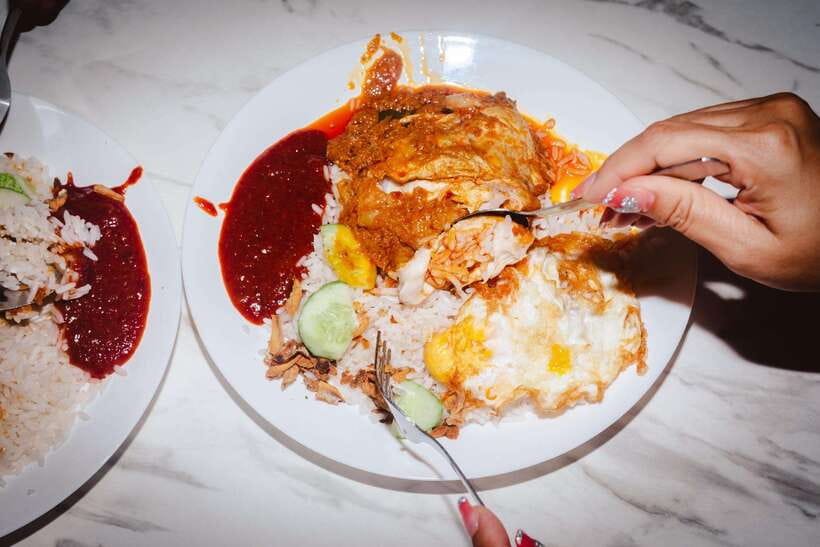
The tour includes several dishes you would want to understand on a first visit to Malaysia. Nasi lemak, the country’s famous coconut rice dish, is one of them. You may also try curry laksa, mama mee, satay, curries, and flame-grilled chicken skewers with peanut sauce.
Nasi lemak is especially useful to try with a guide because the plate brings several flavours together. Coconut rice, sambal, peanuts, anchovies, egg, and other accompaniments create a mix of sweet, salty, spicy, creamy, and crisp textures. You learn quickly that Malaysian food is rarely built around one note.
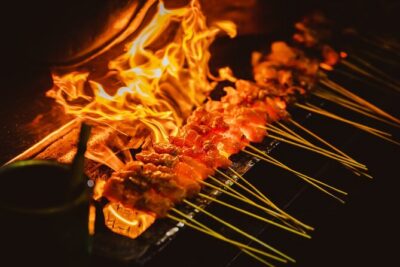
Satay is another reliable crowd-pleaser. The meat is grilled over flame and paired with a thick peanut sauce. It is easy to enjoy on its own, but the guide can explain how grilling and dipping sauces fit into the wider street food tradition.
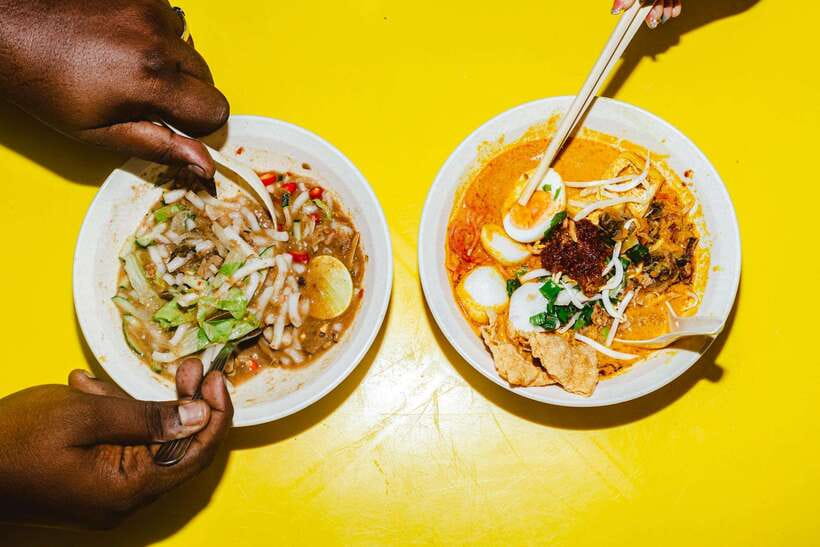
Curry laksa and mama mee add a different side of the menu. These dishes can be fuller and more strongly seasoned than the lighter snacks. The advantage of sampling them in a group is that you can taste a little without committing to a whole bowl. The drawback is that even small portions add up quickly across 15 or more stops.
Grilled mackerel and sambal bring the heat
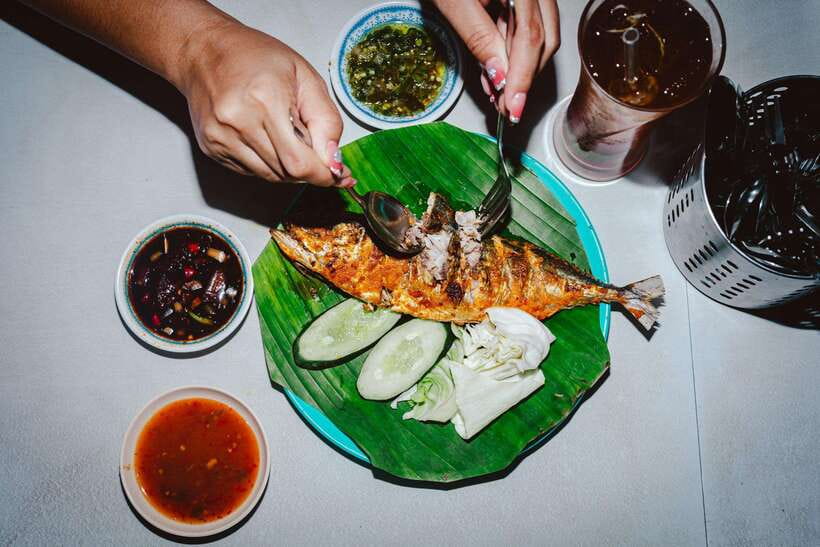
The tour is called the Sambal Street Food Tour for good reason. Sambal is not one fixed sauce. It can vary in heat, sweetness, texture, and ingredients. You may try banana-leaf grilled mackerel served with sambal, a combination that brings together smoky fish, fragrant banana leaf, and a sharp chili kick.
This is one of the less familiar tastings for many visitors, and that is where a local guide earns the fee. You can learn how to approach the dish, what parts to mix together, and how the sambal changes the overall bite. If you enjoy seafood and chili, this may be one of the highlights.
If you do not handle spice well, do not assume you must eat every spoonful. Guides have adjusted dishes and spice levels for people who struggled with heat. Still, this is not a low-spice food tour, so tell the provider about your limits when you book and remind the guide at the meeting point.
Sweets, fruit, and the durian question
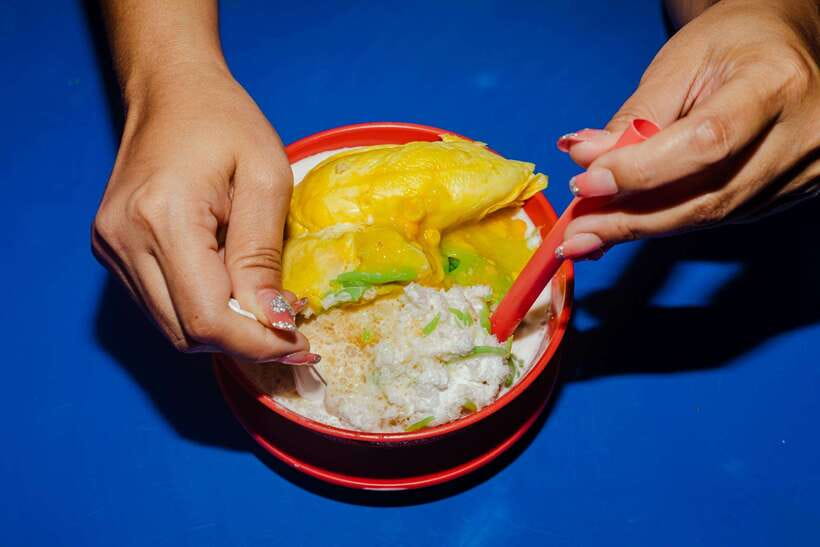
The sweet course is not an afterthought. Cendol, a cool dessert with shaved ice, coconut milk, palm sugar, and green rice-flour jelly, may be served with durian. Mango shakes and seasonal fruits can also appear toward the end.
Durian divides people. Its smell and creamy texture are strong, and no guide can guarantee that you will like it. That is precisely why trying a small amount with an explanation can be useful. You can make an informed decision about one of Southeast Asia’s most famous fruits without buying an entire portion.
Cendol provides a welcome cool finish after hot food and a humid walk. By this point, though, your appetite may be the real issue. Several people finished very full, and one person felt the tour included more food than they could manage. The sensible plan is to eat lightly beforehand and treat the tastings as dinner, not as snacks before dinner.
What the eight-person limit changes
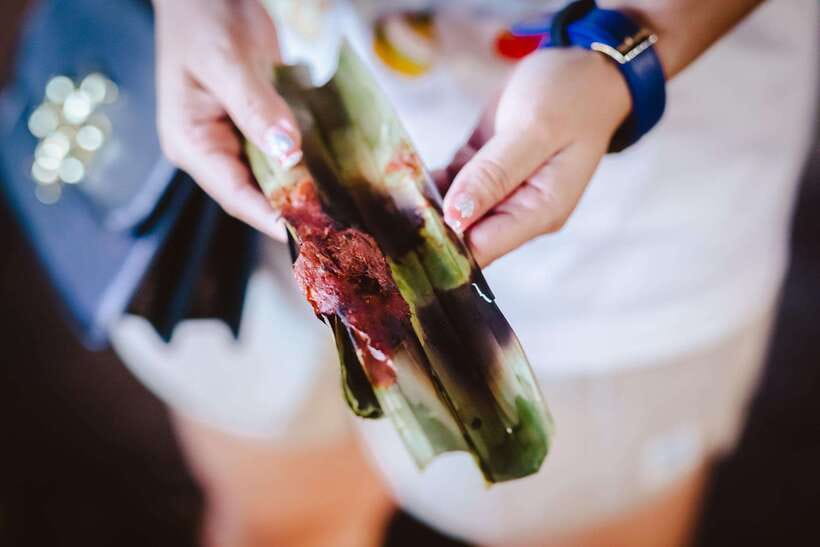
A maximum of eight people is a real advantage. The guide can explain a dish without shouting across a large crowd, and you have a better chance to ask about ingredients or cooking methods. Small groups also make shared plates easier to manage.
The pace appears to be relaxed rather than rushed. The tour starts and ends on time, but stops are spaced so you can eat without immediately being pushed to the next table. Guides have adjusted the order, added alternatives, and avoided putting out far more food than the group can finish.
There is one minor limitation. Street food stalls and eateries can be noisy. One participant sometimes missed parts of the guide’s explanations because of background sound and distance. Stay close when the guide is speaking, especially at busy stops. A small group helps, but it cannot make a market quiet.
Is $53 good value for four hours?
At $53 per person, this is not the cheapest way to eat in Kuala Lumpur. You could buy individual dishes for far less if you already know where to go, what to order, and how much to try.
The price makes more sense when you count the service around the food. You receive more than 15 tastings, bottled water, a local guide, a market and ingredient lesson, walking between neighbourhoods, and help choosing dishes. You also avoid wasting money on plates you may not understand or enjoy.
The tour is particularly good value for first-time visitors who want a broad introduction in one evening. It would be harder to recreate the same range alone without spending time researching stops, navigating between them, and ordering enough variety for one or two people.
For repeat visitors or confident food hunters, the value is less automatic. If you already know Chow Kit and Kampung Baru well, you may prefer spending $53 on several independent meals. The tour earns its cost through access, explanation, and the sheer number of tastes.
Dietary limits need careful thought
This experience can support lactose intolerance and some other dietary needs, but you must tell the provider when booking. The guide can also respond to spice concerns when informed early.
The important warning is that the tour is not suitable for vegetarians or vegans, and severe food allergies are a serious concern because there are few alternatives at the stops. A pescatarian participant was accommodated with replacements, but that should not be treated as a guarantee for every dietary restriction.
If you have a mild intolerance, ask clear questions before booking. If cross-contact or a severe allergy could put you at risk, choose a tour built around your requirements instead.
Rain, heat, and what to bring
The tour runs rain or shine. Kuala Lumpur’s weather can change quickly, so bring an umbrella and rain gear rather than hoping for a dry evening. Wear comfortable shoes with a good grip.
Do not arrive after a large lunch. With 15 or more tastings, the food is substantial, and the final stops will be much more enjoyable if you have saved room. Bottled water is included, but alcohol is not, and alcohol and drugs are not allowed.
The walk takes place in public neighbourhoods and local eateries, not in a controlled indoor food hall. That means weather, noise, and ordinary city conditions are part of the experience. In return, you get a more grounded look at how people eat in Kuala Lumpur.
Who should book the Sambal Street Food Tour?
I would choose this tour if you are visiting Kuala Lumpur for the first time, enjoy trying unfamiliar dishes, and want help making sense of Malaysian food. It is also a strong choice for solo visitors, since the eight-person format makes it easy to meet other food-minded people.
Families and couples can benefit too, provided everyone is comfortable with walking, shared dishes, heat, seafood, and meat. If your group includes picky eaters, severe allergies, or strict vegan diets, the menu will likely feel restrictive.
Book it near the start of your stay if you can. You will learn what to order later, discover areas you may want to revisit, and get a useful first lesson in the mix of Malay, Indian, and Chinese influences found in KL cooking.
Should you book it?
Yes, if you want a full meal, a local food guide, and a look at Chow Kit and Kampung Baru beyond the main tourist sights. The best reasons to book are the eight-person limit, the wide range of tastings, and the guides’ evident care with spice levels, questions, and individual needs.
Think twice if you dislike eating a lot, cannot handle shared meat and seafood dishes, or need strict allergy control. For everyone else, $53 buys a busy, filling, useful introduction to Kuala Lumpur food, with enough dishes to turn unfamiliar menus into something you can approach with confidence.
FAQ
How long does the Kuala Lumpur street food tour last?
The tour lasts four hours.
How many tastings are included?
More than 15 tastings are included, along with bottled water.
Where does the tour meet?
Meet your guide outside the entrance of the Hilton Garden Inn South, on the corner of Jalan Raja Alang and Jalan Tuanku Abdul Rahman.
What language is the tour conducted in?
The live tour guide speaks English.
How large is the group?
The tour is limited to eight participants.
Is the tour suitable for vegetarians or vegans?
No. The tour is not suitable for vegetarians or vegans because there are few alternatives at the food stops.
What should I bring?
Bring comfortable shoes, an umbrella, and rain gear. The tour runs rain or shine.
More Food in Kuala Lumpur
- Kuala Lumpur Food Tour Through Chow Kit
★ 5.0 · 88 reviews - Kuala Lumpur: Nightlife Street Food Tour with 6 Tastings
★ 4.6 · 73 reviews - Authentic Malaysian Street Food Tour With 15+ Tastings Near KLCC
★ 5.0 · 68 reviews - Kuala Lumpur: Sightseeing, Markets, and Food Night Tour
★ 4.2 · 57 reviews
More Food & Drink in Kuala Lumpur
- Eat Like a Local: Kuala Lumpur Hawker Center and Street Food Tour by Night
★ 5.0 · 198 reviews - Kuala Lumpur: Local Street Food Night Tour
★ 4.5 · 162 reviews - Laksa Lanes Kuala Lumpur Food Tour with 14+ Tastings
★ 5.0 · 148 reviews - Kuala Lumpur: Private Food Tour – 10 Tastings with Locals
★ 4.8 · 145 reviews
Just added around Kuala Lumpur
- Kuala Lumpur City & Batu Caves Temple Private Tour★ 4.5 · 3 reviews
- Transit Tour Private Tour (Ex Port Klang Cruise Centre/KLIA 1 &2)★ 5.0 · 10 reviews
- Private Kuala Lumpur Shore Excursions★ 4.5 · 22 reviews
- Private Transfer: Kuala Lumpur International Airport to or from Hotel★ 4.5 · 14 reviews
- Genting SkyWorlds Theme Park Tickets (Optional)★ 5.0 · 5 reviews
- Full Day Melaka Private Tour from Kuala Lumpur★ 4.0 · 5 reviews
- Private Port Klang Cruise to Kuala Lumpur City Tour★ 5.0 · 3 reviews
- Kuala Lumpur Airport Transit Tour (4 hours)★ 5.0 · 12 reviews
Malaysian Street Food Tours, compared.
Sambal Streets Kuala Lumpur Food Tour with 15+ Tastings
Read our review →
The 10 Tastings of Kuala Lumpur With Locals: Private Street Food Tour
Read our review →
Kuala Lumpur Local Street Food Private Walking Tour by Night
Read our review →
Eat Like a Local: Kuala Lumpur Hawker Center and Street Food Tour by Night
Read our review →
Good Morning Penang Food Tour with 15+ Tastings
Read our review →
Laksa Lanes Kuala Lumpur Food Tour with 14+ Tastings
Read our review →Browse the lists this tour appears in