
Reviewed · MANGROVE TOURS
Langkawi: UNESCO Global Geopark Mangrove Cruise
Langkawi’s mangrove forest is best seen at water level, where tree roots twist into narrow channels and mudskippers haul themselves across the mud. This small-group boat trip focuses on the ecosystem rather than staged wildlife encounters, with guides such as Masyi, Jien, and Rodhiah explaining what you see.
I like the quiet pace and the strong conservation policy. Animals are not fed to bring them close, and the boat slows down in the mangrove channels instead of racing from sight to sight. The main drawback is simple: wildlife is wild, so sightings can never be guaranteed, and the boat has no regular restroom.
In This Review
- Key points
- Why This Mangrove Cruise Feels Different
- Meeting at Tanjung Rhu Jetty
- The First Two Hours, Mangrove Channels and Tidal Mud
- Geology Along the Andaman Sea
- The Final 30 Minutes, Photos, Walking, and More Context
- The Guides Make the Difference
- What the Ethical Policy Means for Your Experience
- Is the $34 Price Worth It?
- Who Should Book This Trip?
- Weather, Tides, and Wildlife Expectations
- My Verdict on the Tanjung Rhu Mangrove Cruise
- FAQ
- Where does the mangrove cruise meet?
- How long does the activity last?
- What wildlife might I see?
- Are the animals fed during the tour?
- What should I bring and wear?
- Is the boat covered?
- Can children join the tour?
Key points
- No animal feeding: Eagles, monkeys, and other wildlife are observed without bait or unhealthy handouts.
- Small boat, maximum eight people: You get a better view and more room for questions than on a crowded cruise.
- Wildlife at every level: Look for mudskippers, fiddler crabs, monitor lizards, snakes, kingfishers, eagles, monkeys, otters, bats, and possibly dolphins.
- Two distinct settings: The route combines narrow mangrove waterways with open coastal views and dramatic limestone formations.
- Strong nature commentary: Guides explain mangrove ecology, local geology, Langkawi culture, and the forest’s role during the 2004 tsunami.
- Plan for a rustic outing: Bring a waterproof bag, sun protection, and use the restroom before boarding.
Why This Mangrove Cruise Feels Different
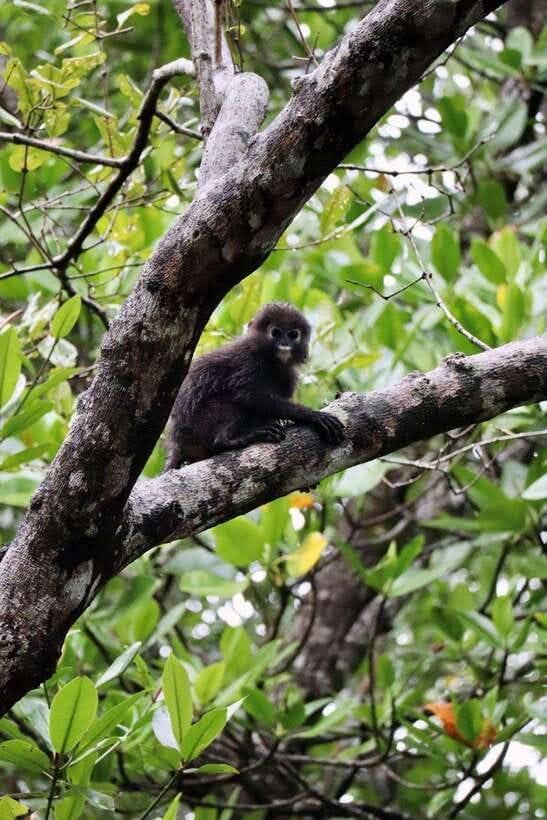
Many boat trips in Langkawi promise eagles, monkeys, and spectacular photographs. The important question is how those animals are brought into view. This tour takes the less theatrical route: no feeding, no inviting monkeys onto the boat, and no unhealthy snacks tossed to eagles.
That choice matters. It may mean you do not get a perfect close-up every time, but the animals behave more naturally and the boat does not turn the forest into a feeding station. I would choose this approach for anyone who wants to see Langkawi without treating wildlife like a photo prop.
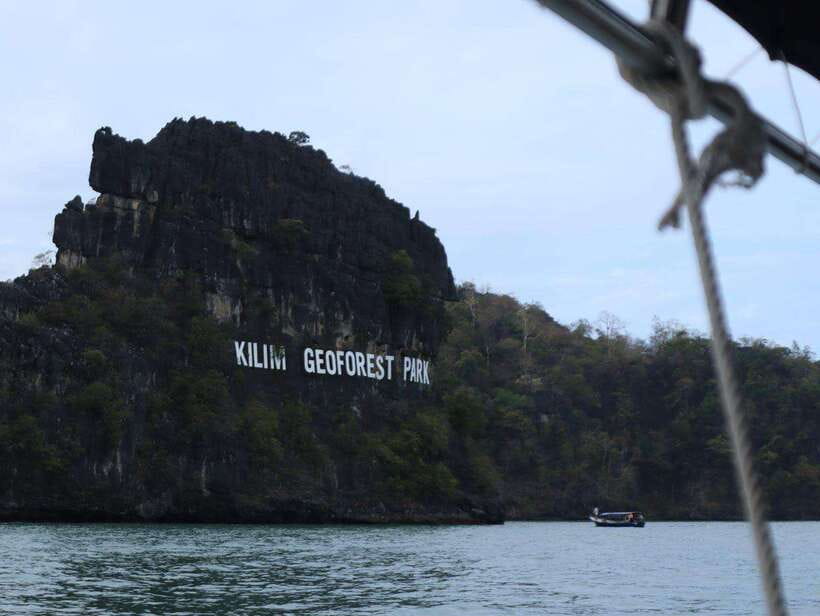
The tour operates in the mangrove area of Langkawi UNESCO Global Geopark, a protected setting spread across the 99 islands of the Langkawi Archipelago. The forest is not just a wall of trees. It is a working coastal system where roots trap sediment, mud shelters small animals, and tidal water links the mangroves with the Andaman Sea.
You will learn about that connection as you travel. The most useful guides do not simply point and name animals. They explain why mangroves matter, how the forest handles salt water, and why the area remains vulnerable even when the forest itself has protected status.
More mangrove tours in Langkawi:
- Langkawi: Kilim Mangrove Boat Tour with Lunch and Pickup
★ 4.8 · 899 reviews - 5 Hours Sharing Basis Kilim Mangrove Safari Boat Tour in Langkawi
★ 5.0 · 504 reviews - Langkawi: Mangrove River Cruise Sharing 3 Hours
★ 4.6 · 474 reviews
Meeting at Tanjung Rhu Jetty
You meet at Tanjung Rhu Jetty on Jalan Tanjung Rhu. Hotel or port transport is not included, so you need to arrange your own way there and allow time to arrive before the boat leaves.
The trip lasts 150 minutes, or two and a half hours. The main boat ride takes about two hours, followed by roughly 30 minutes of guided sightseeing, photo opportunities, and walking. Exact starting times depend on availability and weather.
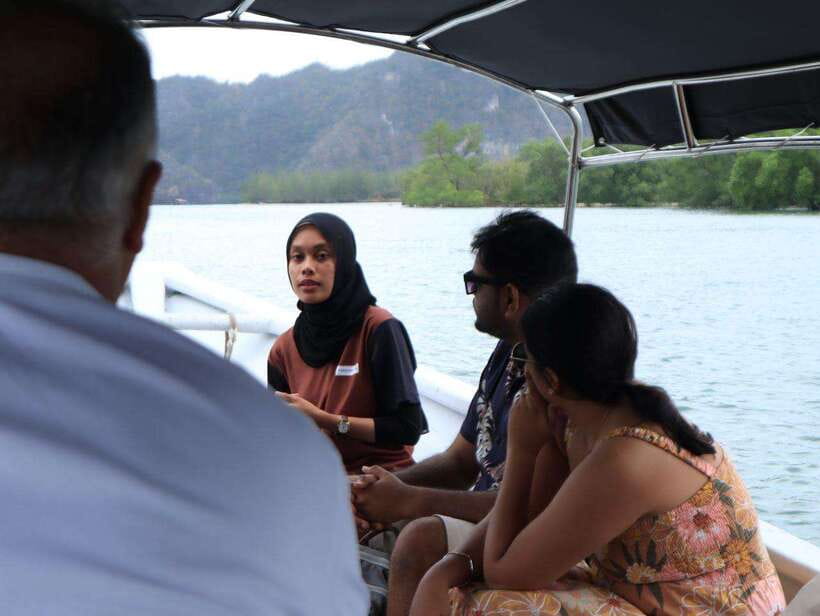
The boat has a Bimini cover, which gives you shade while still leaving open views for photographs. A bottle of water is included. Bring your own waterproof bag for phones, cameras, wallets, and other items that should not meet a splash.
This is a small-group outing, limited to eight people. That number makes a real difference in a narrow mangrove channel. You can hear the guide, shift sides when wildlife appears, and ask questions without competing with a busload of people. Several guides, including Masyi, Jien, Rodhiah, and Francis, are praised for clear English and lively explanations, though the guide assigned to your departure may vary.
The First Two Hours, Mangrove Channels and Tidal Mud
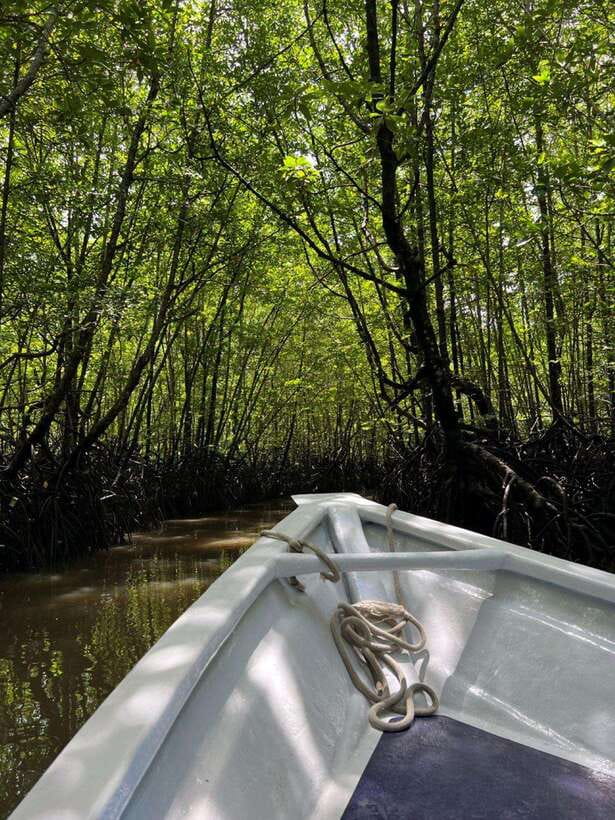
The main part of the outing is a long-tail boat ride through the mangrove forest. The route takes you into a maze of roots and waterways shaped over thousands of years. The boat’s slow movement is part of the experience. It gives you time to scan the branches, mudbanks, waterline, and exposed roots instead of simply speeding past them.
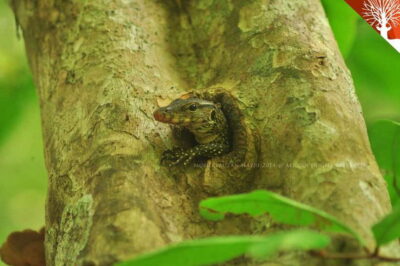
Look carefully at the mud. You might find mudskippers, the curious fish that can move across wet ground and appear to walk with their fins. Fiddler crabs may show bright claws or vanish into holes. Blue and orange crabs have also been spotted, along with monitor lizards, snakes, and other small creatures that are easy to miss if you only watch the treetops.
Keep looking upward, too. Kingfishers may flash through the branches, while sea eagles and kites circle above the water. Bats can gather in darker areas, and a smaller boat may be able to pass through a bat cave or similarly tight section of the route, depending on conditions.
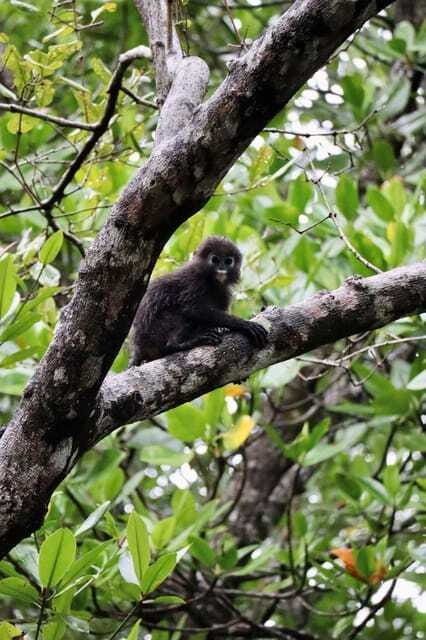
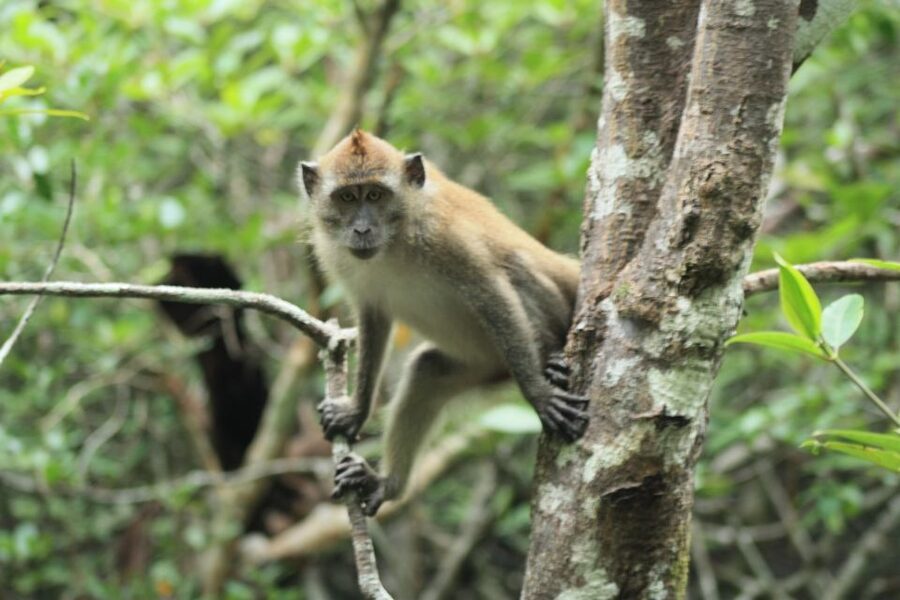
Monkeys are another possible sighting. Here, the no-feeding policy becomes especially visible. You may see them along the banks or in the trees, but the boat does not call them over or encourage them to climb aboard. That makes the encounter less predictable and far more respectful.
Otters have been seen, but they are not a scheduled part of the show. Dolphins are also possible during the coastal portion, though they are described as rare. If you see one, count it as a fortunate moment, not a promised feature.
The captain plays an important role. A good wildlife boat driver slows down, holds position, and gives you time to watch. The guides and captains on this trip are repeatedly praised for spotting animals and maneuvering smoothly, which helps keep the ride calm and the motor noise low.
Geology Along the Andaman Sea
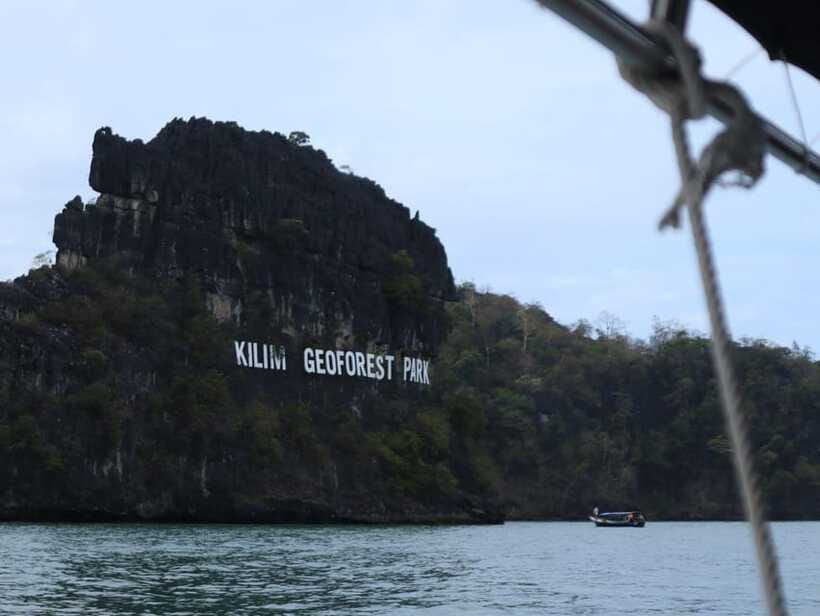
The mangroves are only half the story. As the boat leaves the forest, the route opens toward the sea, where limestone formations rise sharply from the water.
These rocks are tied to Langkawi’s ancient geological past. The formations began as coral and marine deposits that were later pushed upward over millions of years. The result is the steep, weathered stone scenery that gives the geopark much of its character.
The guide connects the rocks with the plants and animals around them. Some plant species found in this area are described as unique to the local environment, shaped by the islands’ long isolation and unusual geology. You do not need a geology degree to enjoy this section. The explanation simply helps you understand why Langkawi is more than a pretty collection of beaches and islands.
The open-water ride can feel livelier than the sheltered mangrove section. One review describes the return along the coast as a thrill, while the forest portion is generally quiet and smooth. If you are sensitive to boat movement, sit beneath the cover and follow the crew’s safety instructions.
Same city, a completely different kind of day:
- Langkawi : Premium Jet Ski Tour Including Dayang Bunting Island
★ 5.0 · 704 reviews - Langkawi Jet Ski Tour Dayang Bunting Free Drone Video
★ 4.8 · 517 reviews - Langkawi : Kilim Geoforest Mangrove Kayak Tour with Lunch
★ 4.9 · 358 reviews - Half-Day Geopark Cruise from Langkawi
★ 5.0 · 328 reviews
The Final 30 Minutes, Photos, Walking, and More Context
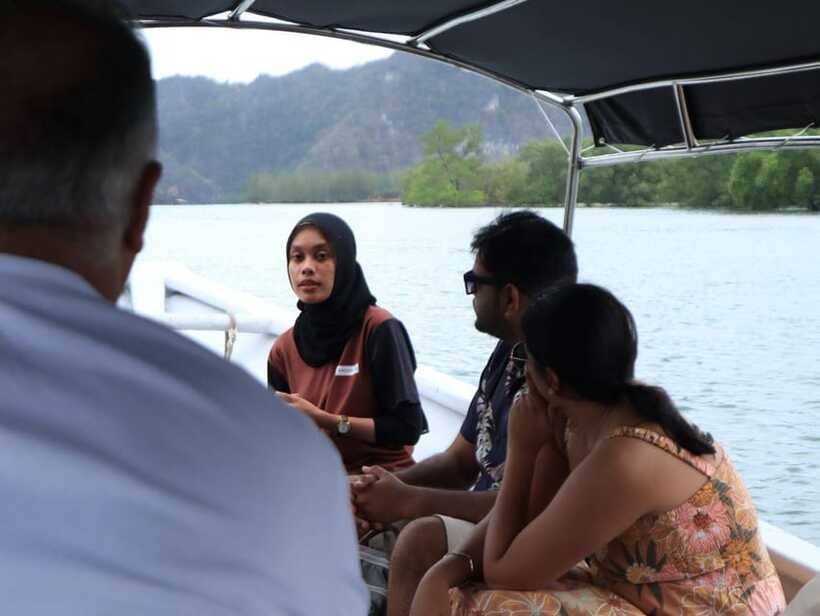
After the longer boat ride, the experience includes about 30 minutes of guided sightseeing, photographs, and walking. The exact stopping point can depend on weather, tides, and local operating conditions, so you should not expect a fixed museum-style sequence.
This final section gives you a chance to look at the setting from outside the moving boat. It also breaks up the ride, which is useful if you want to stretch your legs or take photographs without trying to frame everything from a seat.
There is no restroom on the boat. One guide stopped at a nearby floating restaurant when a participant needed an emergency bathroom break, but you should not rely on that as part of the standard plan. Use the restroom before boarding and keep the two-and-a-half-hour duration in mind.
The guide commentary may cover more than wildlife names. You can expect discussion of mangrove conservation, the geopark’s geology, Malaysian culture, and the forest’s role in protecting coastlines. The mangroves also played an important part during the 2004 tsunami, a detail that gives the forest practical importance beyond its beauty.
The Guides Make the Difference
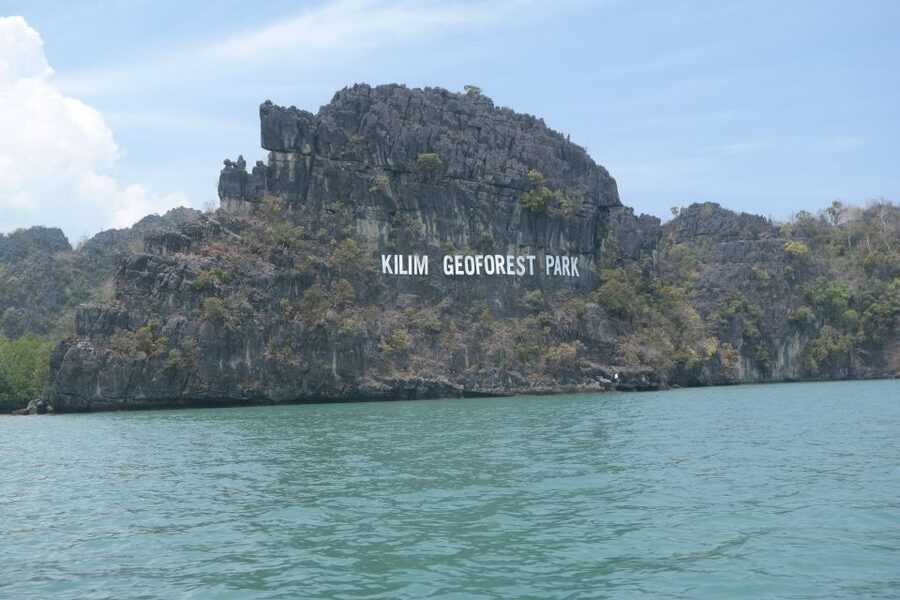
The best reason to book this trip is the guide. A mangrove forest can look repetitive if nobody explains what you are seeing. With a strong guide, a patch of mud becomes a nursery for fish, a crab hole becomes part of the tidal cycle, and a limestone cliff becomes evidence of ancient marine life.
Masyi is praised for her clear explanations, easy manner, and strong environmental focus. Jien is described as both well informed and good at making complex information accessible. Rodhiah is noted for her passion for local flora and fauna, while Francis receives praise for combining detailed information with a friendly atmosphere.
Other named guides include Jan, Azri, Shafwan, Wanda, Danish, Ali, Venosha, Ari, and Wonda. The operator may assign a different English-speaking guide on your date, but the repeated emphasis is on natural history, conservation, and answering questions rather than rushing through a checklist.
I especially like the balance between information and quiet observation. The guide does not need to fill every second with talk. The best moments come when the boat slows, the motor settles, and you hear the forest itself.
What the Ethical Policy Means for Your Experience
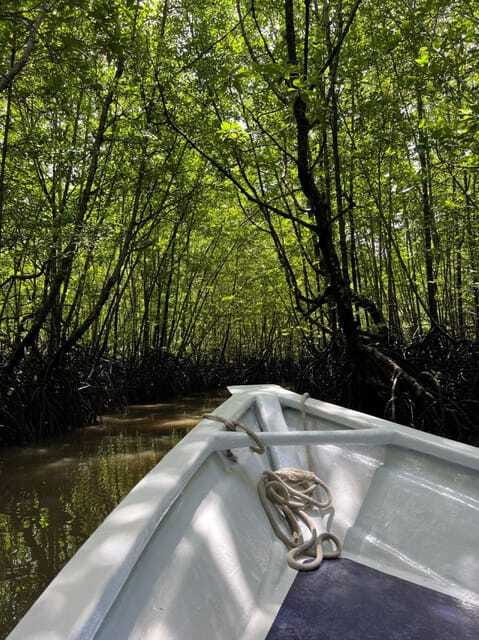
The no-feeding rule is not just a marketing detail. Feeding can change animal behavior, make wildlife dependent on people, and encourage aggressive or unhealthy interactions. It can also create a false impression that the forest is naturally packed with animals waiting beside every boat.
This tour accepts a more honest version of nature watching. You might see fewer animals than on a feeding-focused trip, but every sighting has greater value. When an eagle circles on its own or a monkey stays in the trees, you are seeing behavior that belongs to the mangrove rather than to a tourist routine.
The small boat also helps. It can move through narrower channels and makes less of a crowd at each sighting. The boat is described as slower and quieter than some other local operators, and the crew avoids stopping at floating restaurants simply to pad out the schedule.
That said, you may still encounter other boats nearby. Some participants have noticed less respectful behavior from other operators, including animal feeding and attempts to create close photo opportunities. You cannot control what every boat does, but you can choose an operator whose own practices match your values.
Is the $34 Price Worth It?
At $34 per person, this is not necessarily the cheapest mangrove outing in Langkawi. The value comes from what is included and what is left out.
You pay for a two-and-a-half-hour experience, an English-speaking nature guide, a covered explorer boat, a small group of no more than eight, and a bottle of water. Hotel or port pickup is not included, so add your own transport costs when comparing the total price.
The trip also avoids some common extras that can make a cheaper tour feel less worthwhile. It does not depend on feeding animals, does not require a stop at a tourist restaurant, and does not appear designed around squeezing as many passengers as possible into one boat.
I would call the price fair for a visitor who values explanation, low-impact wildlife watching, and space on the boat. If your only goal is a quick ride and a guaranteed eagle photograph, you may find cheaper options that appear more direct. If you want to understand the mangrove and support a more responsible style of tourism, the added cost has a clear purpose.
Who Should Book This Trip?
I would recommend it to nature lovers, birdwatchers, photographers, families with older children, and anyone who prefers a calm trip over a noisy attraction. One guide provided a tiny life jacket for a toddler, but the activity is officially not suitable for people with mobility impairments.
Children aged 5 to 12 qualify for child pricing, though at least two adult tickets must be purchased before child tickets become available. The small group can work well for families because the guide has more time to respond to questions and help children notice the animals.
You should be comfortable stepping into a boat, sitting for long periods, and managing uneven or wet conditions during the walking portion. Wear a T-shirt, shorts or trousers, and sandals or walking shoes. Sunscreen, a hat, and other sun protection are wise, even though the boat has a cover.
Bring a waterproof bag rather than trusting a regular backpack. Do not bring food for animals, and do not feed them if another person tries to encourage you to do so.
Weather, Tides, and Wildlife Expectations
The tour runs only in favorable weather. If poor weather forces cancellation, you can choose another date or receive a full refund. This is a useful safeguard, but it also means you should keep some flexibility in your Langkawi schedule.
Tides can affect what you see. One outing during low tide produced especially good views of animals around the mangroves. Mudskippers, crabs, and exposed roots may be easier to spot when mudflats are visible, while other conditions may favor open-water travel or different bird activity.
The wildlife list is impressive, but it is not a menu. You might see eagles, kites, kingfishers, bats, monkeys, snakes, monitor lizards, crabs, mudskippers, otters, or dolphins. You might also spend time watching the forest without a major sighting. That uncertainty is part of a responsible wildlife trip.
My Verdict on the Tanjung Rhu Mangrove Cruise
I would book this tour if I wanted Langkawi’s mangroves explained rather than merely displayed. The slow boat, small group, strong guides, and refusal to feed wildlife give the experience a clear purpose.
Choose it especially if you care about conservation and want your money to support a lower-impact outing. Skip it if you need guaranteed animal encounters, hotel pickup, onboard toilet facilities, or a fully accessible boat experience.
For most visitors who can manage the meeting point and two-and-a-half-hour ride, this is a thoughtful way to see the UNESCO Global Geopark. Pack light, protect your camera, use the restroom first, and let the forest set the pace.
FAQ
Where does the mangrove cruise meet?
The meeting point is Tanjung Rhu Jetty on Jalan Tanjung Rhu, Langkawi. Hotel or port pickup and drop-off are not included.
How long does the activity last?
The stated duration is 150 minutes, or two and a half hours. About two hours are spent on the long-tail boat, followed by around 30 minutes of guided sightseeing, photographs, and walking.
What wildlife might I see?
Possible sightings include land-walking mudskippers, fiddler crabs, other crabs, kingfishers, eagles, kites, bats, monkeys, snakes, monitor lizards, otters, and dolphins. Wildlife sightings are not guaranteed.
Are the animals fed during the tour?
No. The tour does not feed wildlife, including eagles and monkeys. Feeding animals is also not allowed for participants.
What should I bring and wear?
Bring a waterproof bag, sunscreen, and other sun protection. Wear a T-shirt, shorts or trousers, and sandals or walking shoes.
Is the boat covered?
Yes. The explorer boat has a Bimini cover, providing shade during the cruise.
Can children join the tour?
Children aged 5 to 12 can receive child pricing, but at least two adult tickets must be purchased before child tickets are available. The activity is not suitable for people with mobility impairments.
Just added around Langkawi
- Underwater World Langkawi Admission Ticket★ 3.4 · 5 reviews
- Private Stand Up Paddle Trip in Tanjung Rhu★ 5.0 · 24 reviews
- Exclusive Langkawi: Your Private Island Adventure Awaits★ 5.0 · 19 reviews
- Private Tour to Langkawi Cable Car & Tanjung Rhu Beach★ 5.0 · 27 reviews
- Sharing Half Day Mangrove Boat Tour With Lunch in Langkawi★ 4.5 · 16 reviews
- Private Langkawi Mangrove Forest Boat Tour Tg Rhu with Lunch★ 4.5 · 5 reviews
- Private Telaga Tujuh Waterfalls and Hidden Blue Pool★ 4.5 · 7 reviews
- Langkawi SkyBridge, Cable Car and Refreshing Natures Private Tour★ 4.5 · 15 reviews
Mangrove Tours, compared.
5 Hours Sharing Basis Kilim Mangrove Safari Boat Tour in Langkawi
Read our review →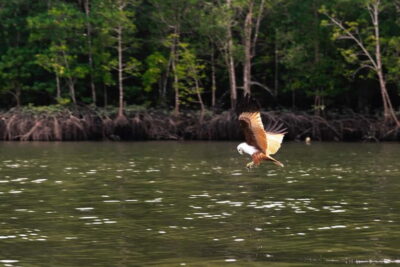
Bongawan River Cruise: Proboscis Monkey & Fireflies Mangrove
Read our review →
5 Hours Kilim Mangrove Kayaking Sharing Tour (With Hotel Pickup)
Read our review →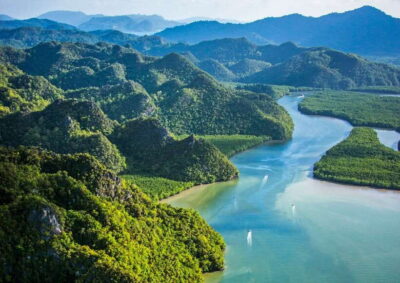
Browse the lists this tour appears in