
Reviewed · 3-DAY EXPERIENCES
(3 Days) PADI Open Water Diver Course Kota Kinabalu
The main appeal here is simple: in three days, you move from classroom basics to supervised underwater training around Sapi Island and the Tunku Abdul Rahman Marine Park, then take the PADI exam. The course is built for beginners, not certified divers looking for a casual outing.
I like the small instructor groups, with no more than four students assigned to one instructor. I also like the practical setup: equipment, bottled water, and island lunch are included, so you do not need to arrange the major pieces separately. The main consideration is the fixed schedule and strict cancellation policy. You need three usable days, good weather, and enough confidence that you will be ready for classroom work and four training sessions.
In This Review
- Key points to know before booking
- Starting at Wisma Sabah in Kota Kinabalu
- Day one: classroom work from 10:00 AM to 3:45 PM
- Day two: first practical sessions near Sapi Island
- Day three: final sessions and the PADI exam
- What Sapi Island and the marine park add
- Equipment, water, and what you need to bring
- How the $437.93 price works as a value
- Who will get the most from this course
- Weather, timing, and the firm cancellation rule
- Should you book the Kota Kinabalu PADI course?
- FAQ
- How long is the PADI Open Water course?
- Where does the course begin?
- What time does the course start?
- How many practical sessions are included?
- Is scuba equipment included?
- Is lunch included?
- Is transportation from my hotel included?
- What happens if bad weather cancels the course?
Key points to know before booking
- Three-day certification course: Day one covers theory from 10:00 AM to 3:45 PM, followed by two days of practical training and an exam.
- Four ocean training sessions: You complete Open Water sessions 1 and 2 on day two, then sessions 3 and 4 on day three.
- Small teaching groups: One instructor teaches a maximum of four students, within a total group limit of 16.
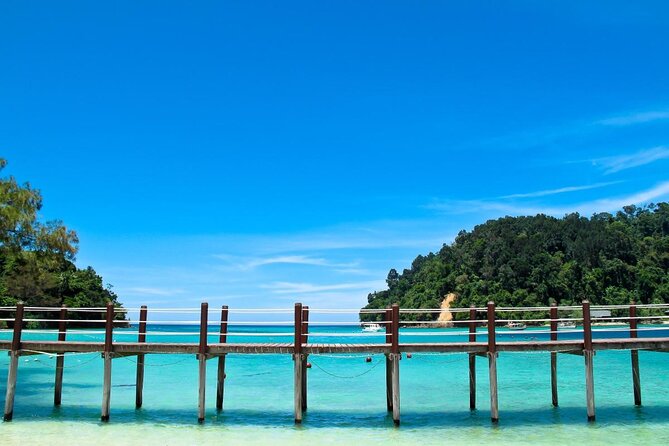
- Sapi Island access: The practical work begins in a confined-water area near the beach, about 15 minutes from the city-center jetty.
- Useful inclusions: Scuba equipment, bottled water, fees and taxes, and fresh island lunch are included.
- Bring your own basics: Hotel transport, accommodation, and a dry towel are not included.
Starting at Wisma Sabah in Kota Kinabalu
Your course begins at Go Aquatic, located at Lot G30 on the ground floor of Wisma Sabah, along Jalan Haji Saman in central Kota Kinabalu. This is a practical meeting point if you are staying in the city, and the center is near public transportation.
The stated start time is 10:00 AM. Give yourself enough time to find the unit, check in, and get settled. Pick-up and drop-off are not included, so you are responsible for reaching the center each day unless the operator gives you different instructions after booking.
The booking is issued as a mobile ticket, and confirmation is normally sent within 48 hours, subject to availability. That timing matters if you are building a tight Sabah itinerary. I would not place this course immediately before a flight or another fixed activity without leaving room for weather changes.
A few more Kota Kinabalu trips to weigh up
- Mount Kinabalu Climbing 3 Days 2 Nights
★ 5.0 · 7 reviews - Borneo Wildlife Tour 3 Days 2 Nights At Tanjung Bulat Jungle Camp Kinabatangan
★ 4.5 · 100 reviews - Sandakan: 3D2N The Wild Heart of Borneo River Secrets
★ 4.6 · 24 reviews
Day one: classroom work from 10:00 AM to 3:45 PM
The first day takes place in the training room rather than at sea. From 10:00 AM until 3:45 PM, you work through the theory needed for safe beginner scuba practice.
This is not a throwaway orientation. You need to understand the basic concepts before entering the water, including how to use the equipment and how to respond during practical exercises. The course is designed to combine book learning with supervised skill practice, so expect a fairly full study day.
That classroom block can feel long if you are eager to reach the islands, but it is useful preparation. The strongest feature of the program is its order: learn the concepts first, practice them with an instructor next, and complete the required sessions before the final exam.
The package information says lunch is provided each day, with a fresh, made-to-order meal at an island restaurant. Since the first day is held in the training room, you should confirm how lunch is handled on that day if it matters to your plans. Bottled drinking water is supplied during the boat activity, with 500 milliliters listed per person.
Day two: first practical sessions near Sapi Island
The second day moves from theory to hands-on training. You travel by boat from the city-center jetty toward the Sapi Island area, which is described as about 15 minutes from the jetty.
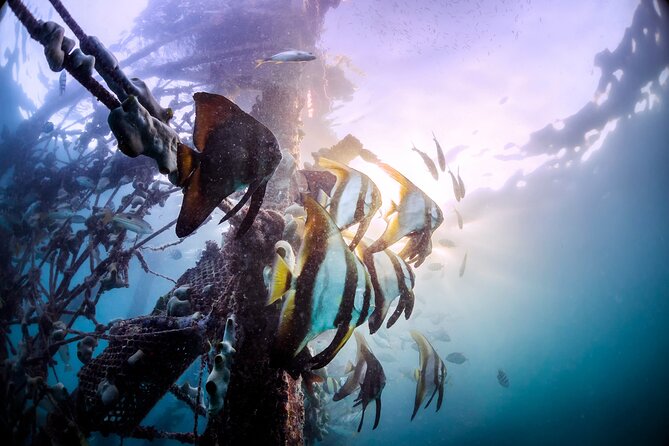
Your first water work takes place in a confined-water area near the beach. This is a sensible place for beginners to begin. You can focus on basic skills in a controlled setting before completing the first two Open Water sessions.
The instructor-to-student ratio is especially important here. With a maximum of four students per instructor, you should have more direct supervision than you would in a large class. That does not guarantee a private lesson, but it gives you a better chance to ask questions, repeat a skill, and receive corrections without waiting behind a long line of students.
The practical day is about learning, not simply seeing fish from a boat. You will use the supplied scuba equipment and work through the skills required for PADI certification. The instructor’s job is to make sure you can perform those tasks safely and understand why they matter.
One useful example comes from the course experience of Taichi, who completed the official PADI qualification in three days after training around two reefs near Gaya Island. The English-speaking instructor was described as patient and careful about linking the book concepts with safe practice. That is the kind of teaching you need in a beginner course. Clear explanations matter just as much as attractive water.
Day three: final sessions and the PADI exam
The third day contains the last two required Open Water sessions, numbered 3 and 4. By this point, you have already spent a full day in the classroom and completed two practical sessions, so the focus shifts toward finishing the required skills and showing that you can use them reliably.
After the fourth session, you take the final exam. You must complete all four sessions and pass the exam to receive the PADI Open Water Diver certification.
If you meet both requirements, the instructor certifies you as a new PADI Open Water Diver. Your diving license or PADI Diver ID, including your license number, is sent after a few days. That delay is normal for the card or identification details, so do not expect to leave the island with every final credential in hand.
The course structure makes this a good choice if you want a recognized qualification rather than a one-time introductory activity. You finish with a certification that can support future scuba bookings, subject to the rules of the operator you use later.
Same city, a completely different kind of day:
- 2D1N Mount Kinabalu Climbing
★ 5.0 · 494 reviews - Guided Snorkeling Day Trip, Kota Kinabalu, Sabah, Malaysia
★ 5.0 · 282 reviews - Kota Kinabalu: Mari Mari Cultural Village Tour with Lunch
★ 5.0 · 152 reviews - Borneo (Klias) River Cruise & Fireflies Tour
★ 4.5 · 126 reviews
What Sapi Island and the marine park add
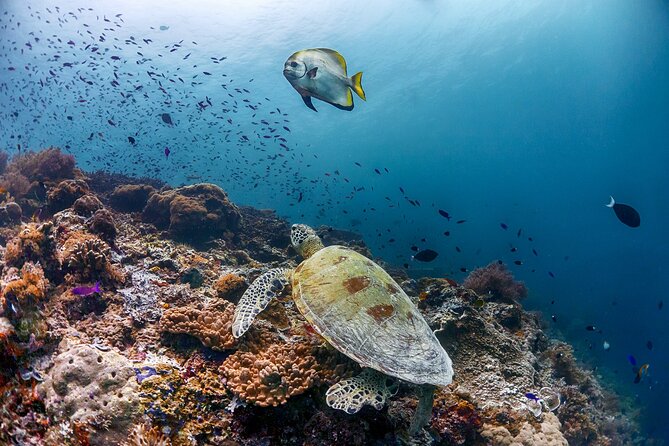
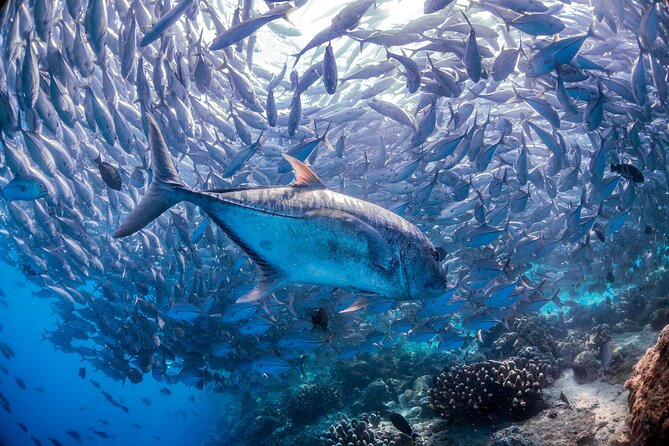
The practical sessions take place in the Tunku Abdul Rahman Marine Park, with Sapi Island named as the main stop. The setting gives the course more appeal than a purely indoor or pool-based program, because you learn in the same type of natural environment where you are likely to use your certification later.
The first confined-water work near the beach is especially helpful. Beginners can concentrate on breathing, equipment handling, and instructor instructions without starting in a more demanding setting. After that, the course progresses to the required Open Water sessions in the marine park.
The supplied route also names Jesselton Point. This is the city-side jetty associated with the boat transfer and the return portion of the activity. The marine park setting and short boat access make the course easy to combine with a Kota Kinabalu stay, though you should allow the full day for instruction rather than treating it as a quick island excursion.
Lunch is served at an island restaurant and is described as fresh, cooked to order, and served fresh. That is a practical benefit. Training in the water uses energy, and having a meal arranged on the island means you are not spending your break searching for food. The trade-off is that you have less choice over where and when you eat than you would on an independent island day.
Equipment, water, and what you need to bring
All scuba equipment is included. For a first-time student, this removes one of the largest practical hurdles. You do not need to rent tanks, regulators, or the other main pieces separately before arriving.
Bottled drinking water is also supplied during the boat activity. The listed provision is one 500-milliliter bottle, so I would still ask about additional drinking water if you normally drink a lot in hot weather. The course takes place in Sabah’s tropical climate, and staying hydrated matters before and after water sessions.
A dry towel is not included. Bring one. It is a small detail, but a wet towel after a boat transfer is an unnecessary nuisance, especially if you have plans after the course.
Hotel accommodation is not included, and neither is transport from your hotel. You need to arrange both independently. The central meeting point helps, but the package is best understood as training and island activity rather than a full hotel-to-hotel excursion.
How the $437.93 price works as a value
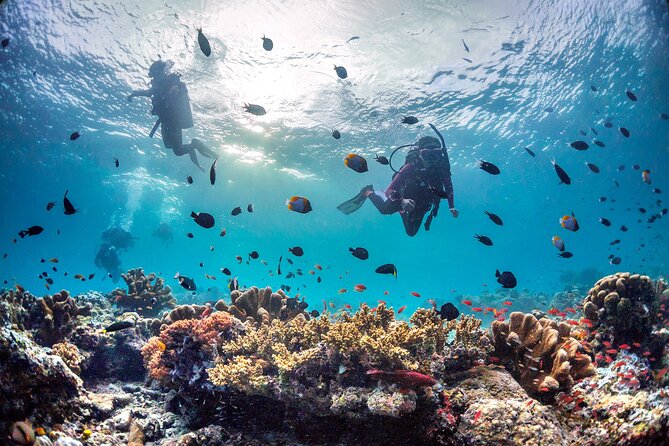
At $437.93 per person, this is not the cheapest way to spend three days near the water. But it is not simply charging for an island outing. You are paying for a complete beginner certification path, including classroom teaching, four practical sessions, instructor supervision, equipment, taxes and fees, bottled water, and lunch.
The small-group allocation improves the value. A maximum of four students per instructor gives the teaching time more weight than a large class where you might spend much of the day waiting. For a new student, close supervision is more useful than a minor discount.
The price also reduces the number of separate arrangements you need to make. You do not need to source equipment or organize island meals. You still need to cover accommodation, transport to the center, and your dry towel, so include those costs when comparing the package with other schools.
I would compare this course with any alternative by asking three questions:
- Is equipment included?
- How many students are assigned to each instructor?
- Are four practical sessions and the final exam part of the quoted price?
A cheaper course may not offer the same ratio or inclusions. A more expensive private course may give you more personal attention, but the group format here keeps costs under control while retaining a relatively small teaching unit.
Who will get the most from this course
This course suits a first-time student who wants a full PADI qualification during a Kota Kinabalu stay. It also works well if you prefer a clear three-day plan, with theory first and practical work afterward.
I would recommend it for people who:
- Want certification rather than a single introductory swim
- Are comfortable committing three days to the same provider
- Prefer having equipment and meals included
- Value an instructor group capped at four students
- Are staying near central Kota Kinabalu
- Can manage classroom study followed by full practical days
It may not suit you if you want a flexible island trip, dislike classroom study, or have only one spare day. It is also not recommended for children under 10. The course is not a casual add-on that you can skip halfway through. You need to complete the required sessions and pass the exam.
The course has a total group limit of 16, but the more important number is four students per instructor. If you want the smallest possible group, ask about the expected class size before confirming. The published maximum is not the same as a promise that every session will have four students or fewer in the whole boat.
Weather, timing, and the firm cancellation rule
Good weather is required. If poor conditions force cancellation, you are offered a different date or a full refund. That provides some protection against weather-related changes, but it does not make the schedule flexible in every situation.
The general cancellation policy is strict: the booking is non-refundable and cannot be changed for any reason. If you cancel or request an amendment, the amount paid is not refunded.
That makes travel planning important. Book only when you are confident about your Kota Kinabalu dates, and avoid placing the course at the very end of your trip. A weather change may be manageable if you have an extra day. It becomes much harder if you are flying out immediately afterward.
The course is commonly booked well ahead, with an average booking lead time of 26 days. That is a useful planning signal. You do not necessarily need to reserve months ahead, but leaving it until the last minute may limit availability, especially if you need a particular three-day window.
Should you book the Kota Kinabalu PADI course?
Book this course if you want a practical path to PADI certification, appreciate a small instructor group, and can commit to three structured days. The combination of classroom work, four required sessions, supplied equipment, island meals, and marine park training gives the $437.93 price a reasonable basis.
I would skip it if you are only looking for a relaxed boat trip or if your schedule cannot absorb a full theory day from 10:00 AM to 3:45 PM. I would also leave a spare day after the course when possible, since weather can affect the schedule and the final PADI ID arrives later.
For the right person, this is a focused beginner course with a useful balance of cost control and direct instruction. The patient English-language teaching noted in the course experience, along with the maximum four-student instructor group, is the strongest reason to choose it over a larger, cheaper class.
FAQ
How long is the PADI Open Water course?
The course takes place over three days. Day one includes theory from 10:00 AM to 3:45 PM, while days two and three are practical training days. The third day also includes the final exam.
Where does the course begin?
You meet at Go Aquatic, Lot G30, Ground Floor, Wisma Sabah, Jalan Haji Saman, Pusat Bandar Kota Kinabalu, 88000 Kota Kinabalu, Sabah, Malaysia.
What time does the course start?
The stated start time is 10:00 AM.
How many practical sessions are included?
You complete four Open Water sessions. Sessions 1 and 2 take place on day two, followed by sessions 3 and 4 on day three.
Is scuba equipment included?
Yes. Use of scuba equipment is included in the price.
Is lunch included?
Yes. Lunch is listed as a fresh, made-to-order meal at an island restaurant. The package information also describes lunch as provided each day.
Is transportation from my hotel included?
No. Pick-up and drop-off service is not included. You need to make your own way to the meeting point.
What happens if bad weather cancels the course?
If the activity is canceled because of poor weather, you are offered another date or a full refund. The experience requires good weather.
Just added around Kota Kinabalu
- Sabah: White Water Rafting Grade 3-4 at Padas River★ 4.7 · 3 reviews
- Full-Day Sepilok Orangutan and Sandakan City Trail from Kota Kinabalu★ 4.0 · 6 reviews
- Mangrove Kayaking Experience in Borneo★ 5.0 · 8 reviews
- Sunset E-Foil Experience in Tanjung Aru Beach★ 5.0 · 10 reviews
- Island Hopping ( Manukan & Sapi Island ) From Kota Kinabalu★ 4.5 · 9 reviews
- Join us for a RAID Try Dive in Kota Kinabalu★ 5.0 · 27 reviews
- Padas River White Water Rafting from Kota Kinabalu (Grade 3 & 4)★ 3.5 · 4 reviews
- Monsopiad Cultural Village Visit with Private Transfer from Kota Kinabalu★ 4.5 · 5 reviews
3-Day Experiences, compared.

Borneo Wildlife Tour 3 Days 2 Nights At Tanjung Bulat Jungle Camp Kinabatangan
Read our review →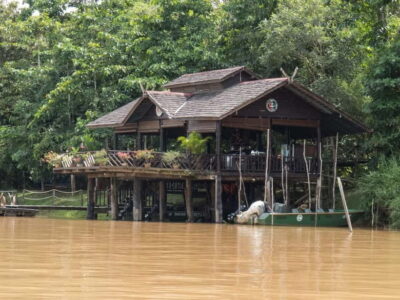
3 Days 2 Nights Tanjung Bulat Jungle Camp With Gomantong cave
Read our review →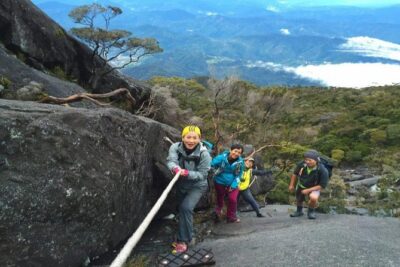
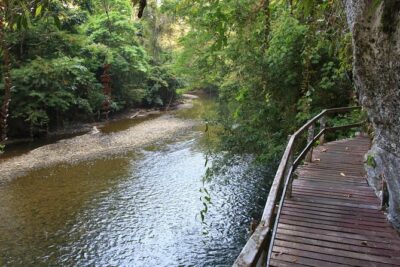
3 Days 2 Nights Unesco World Heritage Mulu 4 Showcaves
Read our review →
Cameron Highlands 3 Days 2 Night Tours Private (per Vehicle)
Read our review →
Browse the lists this tour appears in