
Reviewed · CULTURAL VILLAGE TOURS
Kota Kinabalu: Mari Mari Cultural Village Tour with Lunch
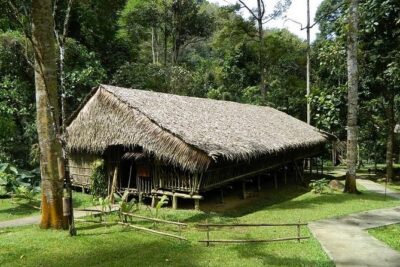
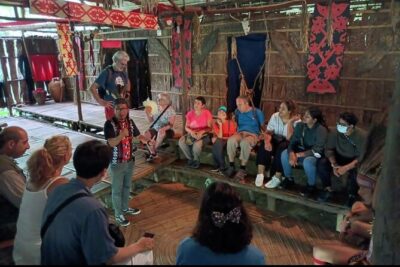
Mari Mari Cultural Village gives you a quick, hands-on introduction to five Sabah tribes without asking you to travel far from Kota Kinabalu. In a rainforest setting, you move from house to house, sample local food, watch old skills being demonstrated, and finish with a lively dance show.
I especially like the active demonstrations, including fire-making, blowpipe hunting, bamboo cooking, and the Murut Lansaran platform. I also like the way guides such as Eddie and Timmy add useful context on the drive, then keep the village visit friendly and easy to follow.
The main consideration is that this is a staged cultural attraction, not a visit to a remote village where daily life unfolds around you. The five-hour schedule is convenient, but the organized format can feel brisk if you want long, quiet time at each site.
In This Review
- Key points at a glance
- Why this village works for a first look at Sabah culture
- The ride from central Kota Kinabalu
- Entering the Bajau House
- Bamboo cooking at the Dusun House
- Crafts and tree bark textiles at the Rungus House
- The Murut House and the Lansaran
- Fire-making, food samples, and everyday skills
- The dance performance that closes the visit
- Lunch and the real value of the $67 price
- Timing, comfort, and practical preparation
- Who will enjoy Mari Mari most
- Should you book the Mari Mari Cultural Village tour?
- FAQ
- How long does the Mari Mari Cultural Village tour last?
- How much does the tour cost?
- Which tribes or communities are represented?
- What activities can I try?
- Is lunch included?
- What languages are available?
- Where is pickup?
- Is transportation included?
- Can I cancel for a full refund?
- Can I reserve now and pay later?
Key points at a glance
- Five Sabah cultures in one visit: See traditional houses linked with the Bajau, Dusun, Rungus, and Murut, along with another Sabah tribal tradition presented within the village.
- Hands-on rather than purely visual: Try Congkak, blowpipe shooting, fire-making, tree bark craft, and the Lansaran.
- Food is part of the lesson: Sample local snacks and drinks during the visit before sitting down to a fuller traditional meal.
- Strong guiding makes a difference: Eddie and Timmy are frequently assigned to this experience, and both are praised for clear explanations and warm group handling.
- Rainforest setting: Expect an outdoor walk with humidity, uneven ground, and mosquitoes. Insect repellent is sensible.
- Good value for a half-day: The $67 price covers transport, entry, guiding, activities, performances, and lunch.
Why this village works for a first look at Sabah culture
Sabah is home to many ethnic communities, and it is hard to get a useful introduction by simply walking around Kota Kinabalu. Mari Mari Cultural Village solves that problem by placing several traditional house types and demonstrations along one guided route.
You are not just shown a building and given a label. At the Bajau House, you can try Congkak, a traditional game played with counters and carved hollows, and see how Kuih Jala is prepared. At the Dusun House, bamboo cooking shows how food can be prepared over an open fire using local materials.
The Rungus section focuses on crafts and tree bark textiles. At the Murut House, you encounter the Lansaran, a springy platform used in Murut celebrations. You may also see hena drawing and try the blowpipe, an activity connected with traditional hunting.
This arrangement gives you a useful framework. You begin to notice differences in clothing, food, social customs, games, and practical skills instead of treating Sabah’s indigenous communities as one single culture.
Still, keep your expectations clear. The village presents culture through demonstrations and performances for visitors. That does not make the material worthless, but it means you should treat it as an introduction, not a complete picture of contemporary tribal life.
More Cultural Village Tours in Kota Kinabalu
- Mari-Mari Cultural Village Tour Including Lunch
★ 4.5 · 45 reviews - Private Tour Kampung Gipsi Sabah Cultural Village Kota Kinabalu
★ 5.0 · 32 reviews - Sabah: Mari-Mari Cultural Village Visit + Lunch + transfer
★ 4.5 · 16 reviews
The ride from central Kota Kinabalu
Pickup is offered at Burger King at The Shore, Citadines Waterfront Kota Kinabalu. The two names refer to the same building, beside the Orange convenience store. Your guide contacts you to arrange the meeting point.
The drive is listed at about 20 minutes, though accounts from the road put it closer to 35 minutes at times. I would allow extra time, especially if you have a later appointment. The ride is useful because the guide begins explaining Sabah, Malaysia, and the different communities before you reach the village.
This early briefing is one of the tour’s better features. You arrive with some idea of what you are about to see, rather than starting cold with a row of houses and a long stream of facts.
Eddie receives especially strong praise for his storytelling, clear English, and ability to answer questions about Sabah’s past and present. Timmy is also praised for clear explanations, friendly conversation, careful driving, and thoughtful attention to food restrictions and mobility needs. Your assigned guide may differ, but these are the names most often associated with the experience.
The tour can operate in English or Chinese. One particularly useful detail is that guides may manage both languages within the same group. If you are traveling alone, the small-group style can also make it easier to meet people and feel included.
Entering the Bajau House
The Bajau House is an easy opening stop because it combines a game, food, and a chance to settle into the tour. Congkak is played on a board with small cups or hollows, and your guide explains how it works before you try it yourself.
The food demonstration features Kuih Jala, a local snack. Sampling food early in the visit is a smart touch. It gives you an immediate connection with the culture, and it keeps the first section from becoming a lecture.
You should take advantage of the tasting opportunities throughout the village. The point is not simply to fill up, but to notice how ingredients, preparation, and presentation connect with each house and community.
Bamboo cooking at the Dusun House
At the Dusun House, bamboo cooking is the focus. You see how food can be placed in bamboo and cooked over an open fire, an old method that makes practical use of materials available in the surrounding environment.
This is one of the demonstrations that benefits from a guide who explains the process carefully. Without context, it is just an interesting cooking trick. With an explanation, you understand why bamboo is useful and how cooking methods are tied to local resources.
The fire is also an important part of the visit. You watch a fire-starting demonstration and may try your own hand at it. Do not expect every attempt to work immediately. That is part of the fun, and it gives you a better sense of the skill involved than a polished demonstration alone.
Same city, a completely different kind of day:
- 2D1N Mount Kinabalu Climbing
★ 5.0 · 494 reviews - Guided Snorkeling Day Trip, Kota Kinabalu, Sabah, Malaysia
★ 5.0 · 282 reviews - Borneo (Klias) River Cruise & Fireflies Tour
★ 4.5 · 126 reviews - Sky-Mirror Photographing and Proboscis Monkey & Fireflies Watching River-Cruise
★ 4.0 · 109 reviews
Crafts and tree bark textiles at the Rungus House
The Rungus House shifts the focus from cooking to material culture. Here you look at traditional crafts and handmade textiles produced from tree bark.
This stop is valuable because it shows the work behind objects that can otherwise appear decorative. The material begins with the forest, then passes through processing and skilled handwork before becoming something useful or wearable.
The experience includes a tree bark craft activity, though the exact amount of time you get to work on it can depend on the pace of the group. If crafts interest you, stay close to the guide and ask questions rather than treating this stop as a quick photo opportunity.
The rainforest surroundings add atmosphere, but they also bring heat and insects. Wear light clothing, use repellent, and keep your phone or camera protected if rain threatens.
The Murut House and the Lansaran
The Murut section is one of the most playful parts of the tour. The Lansaran is a trampoline-like platform associated with Murut celebrations. You can watch a demonstration and, depending on the group flow, take part.
You also encounter hena drawing and the blowpipe activity here. The blowpipe is presented as a traditional hunting tool, and trying it gives you a small appreciation for the control required to aim and release the dart.
This is not a wildlife activity and should not be treated as one. It is a cultural demonstration of an old skill. Listen closely to the safety instructions and follow the guide’s directions.
The interactive format helps families and groups stay engaged, but it can feel a little public if you dislike performing in front of others. You do not need to be athletic to enjoy the stop, though the rainforest walk and springy platform may be less comfortable for anyone with mobility problems.
Fire-making, food samples, and everyday skills
The demonstrations work best when you connect them. Fire-making, bamboo cooking, tree bark work, and blowpipe use all show how people developed practical solutions from nearby materials.
Along the route, you may sample local delicacies and drinks. The exact selection is not specified in advance, so think of the tasting as an introduction rather than a fixed menu. The guide can explain what you are eating and point out suitable choices.
Food restrictions deserve attention. One gluten-free diner found the buffet ingredients clearly labeled, and a vegan participant received help identifying suitable items and was offered a special dish. You should still tell the guide about allergies or dietary needs before lunch so the staff has time to respond.
The dance performance that closes the visit
The cultural performance brings the visit to an energetic finish. Dancers appear in traditional dress, and you are invited to join in rather than simply watch from the sidelines.
I like this ending because it shifts the mood from learning to participation. You may not master the steps, but joining the line for a few minutes makes the performance feel less distant.
The show is an expected part of the experience, not an accidental extra, so allow time for it. Some visitors arrive mainly for the houses and demonstrations, then find the dance segment becomes one of the most memorable parts.
As with any staged performance, it is designed for an audience. It offers a polished presentation of cultural traditions rather than a private ceremony. That is worth remembering, particularly if you are looking for a more informal encounter.
Lunch and the real value of the $67 price
Lunch lasts about 30 minutes and is served after the village tour. The meal is described as a generous buffet with Malaysian and traditional native dishes, and the food receives consistently warm praise.
The value here is not just the meal itself. You get entry, transport, a local guide, access to five traditional houses, demonstrations, hands-on activities, the performance, and lunch for $67 per person. If you arranged each part separately, you would spend more time and effort comparing transport and admission options.
The price makes the most sense if you want a structured introduction during a short stay in Kota Kinabalu. You pay for convenience as well as content. The guide handles the route, explains what you see, and keeps the group moving.
If you prefer to explore alone, take photographs at your own speed, or avoid scheduled performances, the organized format may feel less appealing. In that case, the value depends on how much you want interpretation and participation.
Timing, comfort, and practical preparation
The full experience lasts five hours, including transport and the 30-minute lunch. The village visit itself takes about two and a half hours, which is enough time to cover the main stops without turning the day into an all-day commitment.
Bring insect repellent. One account specifically warns about mosquitoes, and the rainforest setting makes that advice worth following. Comfortable footwear is also sensible because you will be walking between houses and activity areas.
Rain is possible, and it does not necessarily cancel the experience. Guides have kept the tour enjoyable in wet conditions, but you should carry weather protection and expect some outdoor exposure.
Pickup and return are both at the same Kota Kinabalu locations. The exact starting time varies, so check availability when booking. Free cancellation is available up to 24 hours before departure, and you can reserve now and pay later.
The experience is not described as fully accessible. Guides have helped people with knee injuries and mobility concerns, but the outdoor route, uneven surfaces, and Lansaran activity may require extra care. Contact the operator before booking if you have significant mobility needs.
Who will enjoy Mari Mari most
I would recommend this tour to first-time visitors who want a broad introduction to Sabah without committing to a long excursion. It also suits families, curious couples, solo visitors, and anyone who learns better by trying things than by reading display panels.
Food lovers should find plenty to enjoy, especially if you like sampling snacks and regional dishes. The labeled buffet is helpful for some dietary needs, though you should still communicate restrictions clearly.
The experience is also a good choice if you are interested in the recent political and social story of Sabah. Eddie, in particular, has been praised for discussing colonial influence, the relationship between East and West Malaysia, and current challenges faced by indigenous communities. That wider context can turn a pleasant cultural stop into a more thoughtful lesson.
I would be more cautious if you want an untouched village or a quiet nature outing. Mari Mari is built for education and performance. You will see selected traditions arranged along a visitor route, not ordinary household life.
Should you book the Mari Mari Cultural Village tour?
Book it if you want a well-organized half-day with reliable transport, a meal, lively activities, and a guide who can explain the people and customs behind what you see. The strongest reasons are the five-house format, the chance to try fire-making and blowpipe shooting, and the quality of guiding associated with Eddie and Timmy.
The $67 price is fair for the amount included, especially for solo visitors or anyone who values door-to-door planning. Pack repellent, wear comfortable clothes, tell the guide about food needs, and allow extra time for the drive.
Skip it if staged cultural presentations make you uncomfortable or if your priority is independent exploration. For most first-time visitors to Kota Kinabalu, though, Mari Mari offers a lively, practical introduction to Sabah that is easy to fit into a short visit.
FAQ
How long does the Mari Mari Cultural Village tour last?
The experience lasts five hours, including transportation, the village visit, and lunch.
How much does the tour cost?
The listed price is $67 per person.
Which tribes or communities are represented?
The village presents five Sabah tribes. Named sections include the Bajau House, Dusun House, Rungus House, and Murut House.
What activities can I try?
You can try or take part in activities such as Congkak, fire-making, blowpipe shooting, tree bark craft, bamboo cooking demonstrations, hena drawing, and the Lansaran.
Is lunch included?
Yes. A traditional meal is included, served as a buffet after the village visit.
What languages are available?
The live guide service is available in English and Chinese.
Where is pickup?
Pickup is at Burger King at The Shore or Citadines Waterfront Kota Kinabalu. These are in the same building, beside the Orange convenience store.
Is transportation included?
Yes. Van transportation from the Kota Kinabalu pickup point to Mari Mari Cultural Village and back is included.
Can I cancel for a full refund?
Yes. You can cancel up to 24 hours in advance for a full refund.
Can I reserve now and pay later?
Yes. The booking option allows you to reserve your place and pay later.
More Lunch Experiences in Kota Kinabalu
- Kota Kinabalu: Manukan & Sapi Islands Snorkeling with Lunch
★ 3.7 · 61 reviews - Kota Kinabalu City Tour: Culture & Heritage tour with Lunch
★ 5.0 · 20 reviews - Kota Kinabalu City Tour Cultural & Heritage Tour with Lunch
★ 5.0 · 7 reviews - Tambunan: Rafflesia Flower Trekking with Rustic Lunch
★ 4.4 · 5 reviews
Just added around Kota Kinabalu
- Sabah: White Water Rafting Grade 3-4 at Padas River★ 4.7 · 3 reviews
- Full-Day Sepilok Orangutan and Sandakan City Trail from Kota Kinabalu★ 4.0 · 6 reviews
- Mangrove Kayaking Experience in Borneo★ 5.0 · 8 reviews
- Sunset E-Foil Experience in Tanjung Aru Beach★ 5.0 · 10 reviews
- Island Hopping ( Manukan & Sapi Island ) From Kota Kinabalu★ 4.5 · 9 reviews
- Join us for a RAID Try Dive in Kota Kinabalu★ 5.0 · 27 reviews
- Padas River White Water Rafting from Kota Kinabalu (Grade 3 & 4)★ 3.5 · 4 reviews
- Monsopiad Cultural Village Visit with Private Transfer from Kota Kinabalu★ 4.5 · 5 reviews
Cultural Village Tours, compared.

Private Tour Kampung Gipsi Sabah Cultural Village Kota Kinabalu
Read our review →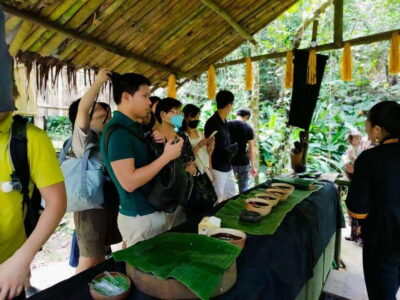
Mari-Mari Cultural Village Visit + Lunch + transfer
Read our review →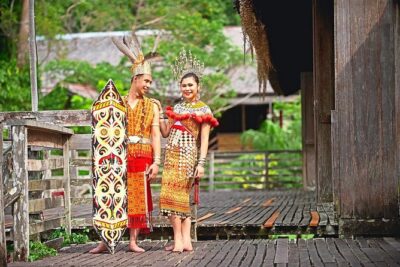
Semenggoh Orangutan Center & Sarawak Cultural Village
Read our review →Browse the lists this tour appears in