
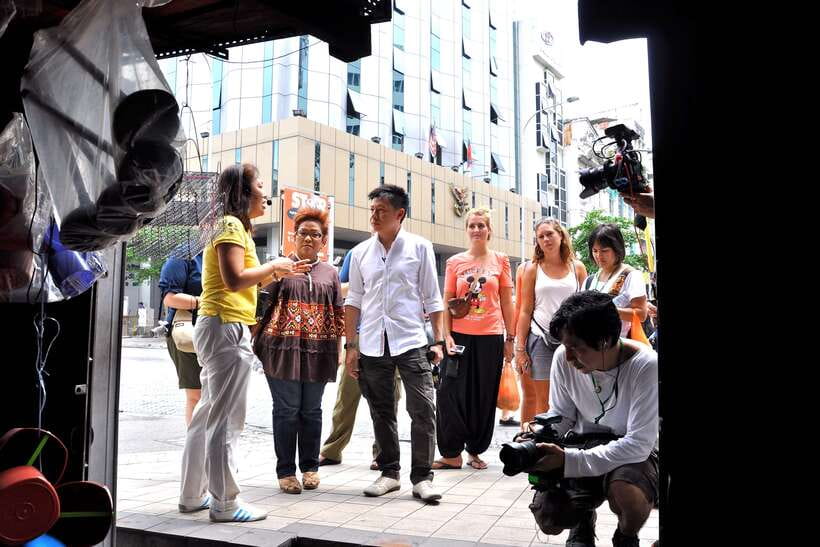
Reviewed · HISTORICAL TOURS
Kuala Lumpur Heritage 4-Hour Walking Tour
Kuala Lumpur’s story is easiest to grasp on foot, one temple, food stall, and old market lane at a time. This small-group walk links Central Market, Chinatown, and two important temples, while a local guide explains how Malay, Chinese, and Indian traditions shape the city center.
I like the generous food stops, which can replace breakfast or lunch, and the small group limit of eight, which makes it easier to ask questions or get help with unfamiliar customs. The main drawback is the meeting point: the Tourist Information and Interaction Centre is tucked behind Central Market, and several people have had trouble finding it without a strong internet connection.
In This Review
- Key points at a glance
- Starting behind Central Market
- Kasturi Walk and the old market district
- Chinatown and the stories of early settlers
- Sin Sze Si Ya Temple and Chinese customs
- Sri Mahamariamman Temple and Hindu traditions
- Food tastings from several communities
- Guides who shape the experience
- Walking time, pace, and comfort
- What the $60 price delivers
- Where the walk finishes
- Who should book this walk
- Should you book the Kuala Lumpur Heritage Walking Tour?
- FAQ
- How long is the Kuala Lumpur Heritage Walking Tour?
- Where does the tour start?
- How do I find the meeting point?
- Where does the tour finish?
- What language is the tour conducted in?
- What is included in the price?
- How many people are in the group?
- Is there a minimum age?
- How much walking is involved?
Key points at a glance
- Eat your way through Kuala Lumpur: Food tastings feature local dishes and can include Malay food, banana-leaf meals, and items chosen around your interests.
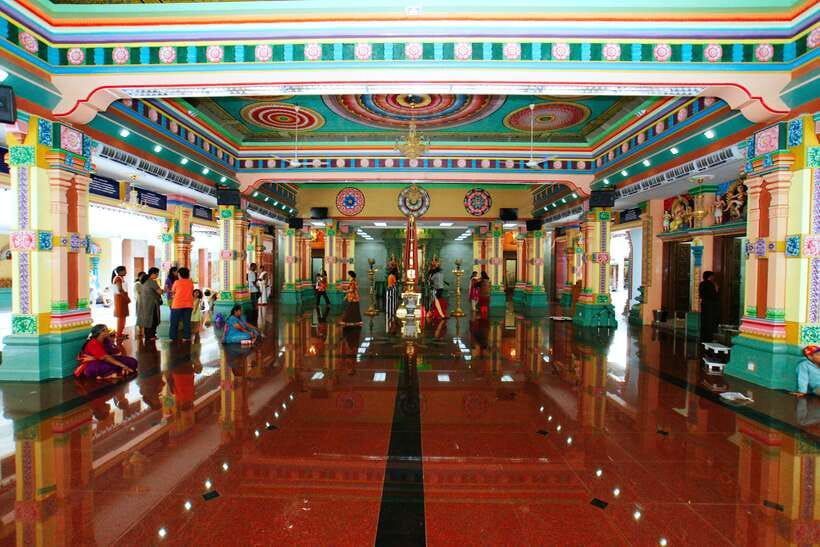
- Visit two very different temples: Sin Sze Si Ya Temple offers a Chinese Taoist setting, while Sri Mahamariamman Temple introduces Hindu customs and worship.
- Small groups matter: With no more than eight participants, guides such as Farah, Lewis, Luis, and Christie can offer personal explanations and adjust the food choices.
- Expect active walking: Four hours on city streets, market lanes, and temple approaches require comfortable shoes and a reasonable level of fitness.
- The route has a cultural focus: This is less about ticking off grand monuments and more about understanding daily customs, rituals, and food.
- Plan your return route: The tour description says the walk finishes at Masjid Jamek LRT station, although the meeting information also refers to the Tourist Information and Interaction Centre.
Starting behind Central Market
Your meeting point is the Tourist Information and Interaction Centre near Central Market, in Kuala Lumpur’s old city center. Finding it takes a little care. Walk along Kasturi Walk beside Central Market, leave the covered walkway, and look for the alley between Central Market and the purple building.
Continue into the ART LANE for about 30 seconds. Go up the black staircase, turn right, and look for the turquoise-colored center beside a small garden. I would arrive early because this is not a simple street-front meeting point, and the location can be awkward if you have no mobile data.
Central Market is a useful place to begin. It gives you an immediate sense of Kuala Lumpur as a trading city, with craft stalls, food, souvenirs, and old commercial streets close together. From here, the guide can put the day’s walk into context before leading you toward Kasturi Walk and Chinatown.
The group is limited to eight people and the tour is conducted in English. That size is a real advantage on narrow lanes and inside small religious buildings. You are not left at the back of a large crowd, and you can ask about food ingredients or temple customs as they come up.
A few more Kuala Lumpur trips to weigh up
- Historical Malacca Guided Day Tour (Shared Tour)
★ 5.0 · 2,172 reviews - Kuala Lumpur: Batu Caves & Historic Buildings Tour
★ 4.7 · 539 reviews - Historical Malacca Day Tour from Kuala Lumpur (Private Tour)
★ 5.0 · 515 reviews
Kasturi Walk and the old market district
The first section takes you along Kasturi Walk, a covered flea-market lane next to Central Market. Stalls here sell small goods and souvenirs, so this is a chance to browse rather than a major shopping stop.
The value of this part is the setting. You move from the organized market into the older streets around it, where Chinese and Indian influence is visible in shops, shrines, food stalls, and street names. Your guide’s explanations help connect those details to the arrival of the city’s early Chinese and Indian communities.
You should not expect a long list of major monuments in these first minutes. This is a neighborhood walk, and some of the most useful information comes from small details. The guide may explain how different communities settled, traded, worshipped, and developed their own food traditions in the same central district.
That approach suits me better than a quick drive past landmarks. You get time to look around and ask questions. If your priority is a long list of formal attractions, though, the route may feel modest. One rating of the experience specifically wished for more places of interest, even while finding the food and guiding good.
Chinatown and the stories of early settlers
The walk continues into Chinatown, where the focus shifts from general city orientation to Kuala Lumpur’s Chinese heritage. Here, the guide discusses the first Chinese settlers and the role they played in the growth of the city.
The route is not only about taking photographs. You are encouraged to notice the relationship between shops, religious buildings, and the surrounding streets. Chinatown is also where the food part of the tour begins to make more sense, since eating is treated as a way to understand community traditions rather than as a separate restaurant stop.
The exact tastings can vary. Christie, one of the guides, has adjusted the selection to suit what people had already tried and what they wanted to explore. That flexibility is useful in a city where a fixed menu can easily include foods you already know, or ingredients you cannot eat.
You are also likely to appreciate the pace here. The experience is designed as an eat, pray, walk tour, with food and cultural stops spread across the morning or afternoon. A German booking described three food opportunities during the walk, so I would avoid a full hotel breakfast before starting. Come hungry, but tell your guide about allergies, dislikes, or dietary limits at the beginning.
Sin Sze Si Ya Temple and Chinese customs
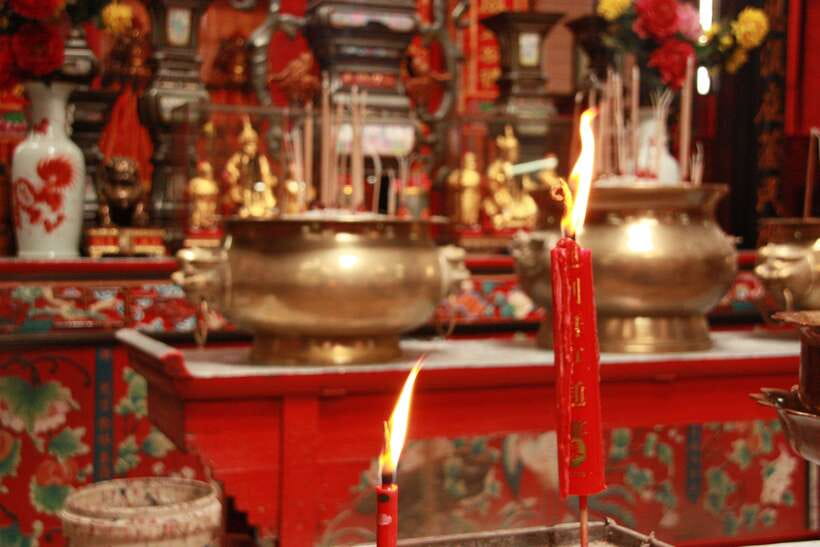
Sin Sze Si Ya Temple is one of the more memorable stops because the guide does more than identify the building. You receive an explanation of Chinese religious customs and may be shown how to approach the shrine respectfully.
The experience can include making wishes at Chinese shrines. One guide also helped participants choose materials for a ritual intended to clear away bad fortune. These are optional cultural encounters, not simply photo stops, and the guide’s presence matters. If you are unfamiliar with the customs, having someone explain what you are doing makes the visit less awkward.
This is a good example of the tour’s main strength. The guide acts as a bridge between you and practices that might otherwise be easy to misunderstand. You can take part with more confidence, while still treating the temple as a working place of worship.
Keep in mind that this is an active religious site. Dress and behavior should be respectful, and you should follow the guide’s instructions. The supplied information does not specify a formal dress code, so the safest choice is modest clothing and comfortable footwear.
Same city, a completely different kind of day:
- Kuala Lumpur: Batu Caves Half-Day Tour with Pick-Up Option
★ 4.5 · 4,288 reviews - Private Half-Day Batu Caves and Cutural Tour in Kuala Lumpur
★ 5.0 · 3,107 reviews - Sambal Streets Kuala Lumpur Food Tour with 15+ Tastings
★ 5.0 · 2,438 reviews - Kuala Lumpur: Sambal Street Food Tour with 15+ Tastings
★ 4.9 · 1,657 reviews
Sri Mahamariamman Temple and Hindu traditions
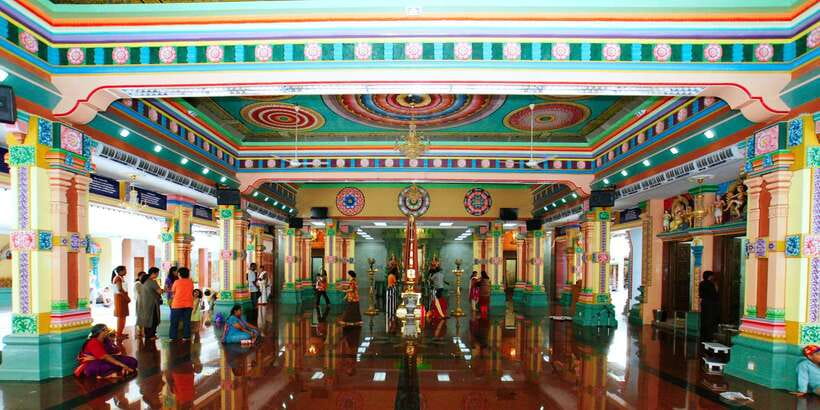
Sri Mahamariamman Temple provides a clear contrast with Sin Sze Si Ya Temple. The first stop introduces Chinese Taoist practice, while this temple gives you a look at Hindu worship and Indian heritage in Kuala Lumpur.
The guide explains the customs before you enter or take part. Farah, for example, provided jasmine bracelets before the Hindu temple visit and explained what they meant. You may also receive a blessing, depending on the visit and the customs available that day.
This is where a local guide adds real value. A temple can be visually striking, but its meaning is harder to understand if you do not know what you are seeing. You get help with respectful behavior, ritual steps, and the differences between the religious traditions represented along the route.
The temple visit also gives the walk a useful rhythm. You move from streets and stalls into quieter sacred spaces, then return to the food and market life of the city. It is not a long architectural tour, but it offers a more personal look at how religion remains part of daily Kuala Lumpur.
Food tastings from several communities
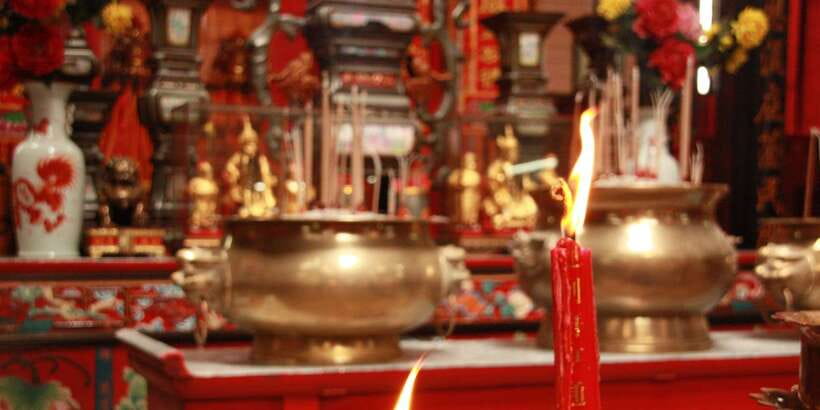
Food is one of the strongest reasons to book this walk. Tastings are included, and the route introduces authentic local dishes linked to Malaysia’s different ethnic groups.
A banana-leaf meal is one of the food experiences described by participants. Your guide can show you how to eat it, which is helpful if this is new to you. You may also try other local foods selected around your interests and previous experience.
The tastings are not presented as a formal cooking class or a full restaurant meal. Think of them as several stops that build a picture of Kuala Lumpur’s food culture. The advantage is variety. You can try small portions across the route rather than spend the whole tour at one table.
The amount of food seems substantial. One guide described the experience as including three eating stops, and one participant said the tastings filled both stomach and head by the end. That makes the tour a poor match for anyone who wants to eat a large breakfast first, but a good choice if you want food to be central to your sightseeing.
I would still ask what is being served before eating, especially if you have allergies or follow a restricted diet. The information confirms food tastings, but it does not promise a particular menu or list every ingredient. Your guide can help you make sensible choices, but you should raise concerns early.
Guides who shape the experience
The guide is the key variable on this tour. Named guides associated with the experience include Luis, Lewis, Farah, Christie, and Kristin. The strongest parts of the walk depend on how well the guide explains rituals, notices your interests, and manages the food stops.
Lewis has been especially attentive to the personal side of the walk. He took photographs for participants after receiving permission and shared them later by email and WhatsApp. That is a thoughtful extra, though you should only agree if you are comfortable with it.
Farah’s style included small practical touches such as jasmine bracelets and help selecting ritual materials. Christie adjusted the food to match what the group had already tried. Kristin was praised for combining cultural background with hands-on guidance at Chinese and Hindu sites.
These details matter more than a standard speech delivered at every stop. The tour works best when you ask questions and tell the guide what interests you. If you are curious about religious customs, food, family traditions, or the city’s early communities, say so. The group size gives the guide room to respond.
Walking time, pace, and comfort
Four hours is a useful length for a first look at central Kuala Lumpur. You cover several areas without giving up an entire day, and you finish with enough time for another activity.
There is a moderate amount of walking. Expect city streets, market lanes, temple visits, and periods of standing. The route is not suitable for someone who cannot comfortably walk for several hours, and children must be at least 11 years old.
Wear comfortable shoes and bring water, although bottled water is included. Kuala Lumpur’s heat can make a normal city walk feel harder than the distance suggests. The tour includes a safety briefing, but the supplied information does not give a precise distance or a detailed accessibility description.
The pace can also become a little sporty. One participant described parts of the walk that way, so do not treat this as a slow, seated food tour. You will be moving between stops and fitting several cultural experiences into one morning or afternoon.
What the $60 price delivers
At $60 per person, this is not the cheapest way to see Central Market or Chinatown. You can walk through those areas independently and pay for food as you go.
The price makes more sense if you want interpretation and structure. It includes an English-speaking guide, bottled water, food tastings, and Malaysia’s Goods and Services Tax. You are paying for a small group, several guided cultural stops, and help navigating customs that would be difficult to understand on your own.
The value is strongest for a first visit to Kuala Lumpur, especially if you want food and heritage in the same outing. It is less compelling for an independent visitor who already knows Chinatown, has researched the temples, and prefers choosing every meal alone.
A listed rating of 5 from 10 ratings suggests a very positive record, but the small number of ratings means I would keep expectations practical. The route is compact and city based. Its appeal comes from the guide, tastings, and cultural access, not from a long series of grand attractions.
Where the walk finishes
The route information says the walk ends at Masjid Jamek LRT station. This is useful because your guide can point you toward your hotel or help you orient yourself for the next part of your day.
There is a slight inconsistency in the supplied meeting details, which also refer to arriving back at the Tourist Information and Interaction Centre. Confirm the finishing point when you book or meet your guide, particularly if you have a timed reservation afterward.
The Masjid Jamek area is practical for continuing by rail, but the important point is to allow a little flexibility. A participant reported that the walk lasted almost an hour longer than expected, so do not schedule an airport transfer or another fixed appointment immediately afterward.
Who should book this walk
I would recommend it to first-time visitors who want a quick, human introduction to Kuala Lumpur. It suits you if you enjoy trying unfamiliar food, asking questions, and learning how several cultures share one city center.
It is also a good fit for couples, solo visitors, and small families with children aged 11 or older. The group limit keeps the experience personal, and the guide can adjust food choices and explanations to the people present.
You should think twice if you dislike walking in warm weather, need a precisely timed four-hour program, or want a major-monument tour. The route includes several meaningful stops, but one person wanted more attractions. It is a cultural neighborhood walk, not a complete survey of Kuala Lumpur.
Should you book the Kuala Lumpur Heritage Walking Tour?
Book it if you want to eat, walk, and understand the city rather than simply photograph it. The temples, food tastings, and guide-led explanations create a useful introduction to Kuala Lumpur’s Chinese, Indian, and Malay influences.
Before booking, plan to arrive early at the turquoise Tourist Information and Interaction Centre, skip a heavy breakfast, wear good walking shoes, and leave extra time afterward. If you follow those tips, the $60 price is reasonable for a small group with several tastings and personal guidance.
FAQ
How long is the Kuala Lumpur Heritage Walking Tour?
The tour lasts four hours, although you should allow extra time because the walk may run longer than the scheduled duration.
Where does the tour start?
It starts at the Tourist Information and Interaction Centre near Central Market in Kuala Lumpur.
How do I find the meeting point?
Walk along Kasturi Walk beside Central Market, enter the alley between Central Market and the purple building, and continue into ART LANE. Walk for about 30 seconds to the black staircase, go upstairs, turn right, and look for the turquoise-colored center beside a small garden.
Where does the tour finish?
The route information says the walk ends at Masjid Jamek LRT station, where the guide can help point you toward your hotel. Other meeting information refers to returning to the Tourist Information and Interaction Centre, so confirm the final location when booking.
What language is the tour conducted in?
The live tour guide speaks English.
What is included in the price?
The price includes a guide, bottled water, food tastings, and Goods and Services Tax.
How many people are in the group?
The tour is limited to eight participants.
Is there a minimum age?
Yes. The minimum permitted age is 11 years old.
How much walking is involved?
A moderate amount of walking is involved across Central Market, Kasturi Walk, Chinatown, and the temple areas. Comfortable shoes are recommended.
Just added around Kuala Lumpur
- Kuala Lumpur City & Batu Caves Temple Private Tour★ 4.5 · 3 reviews
- Transit Tour Private Tour (Ex Port Klang Cruise Centre/KLIA 1 &2)★ 5.0 · 10 reviews
- Private Kuala Lumpur Shore Excursions★ 4.5 · 22 reviews
- Private Transfer: Kuala Lumpur International Airport to or from Hotel★ 4.5 · 14 reviews
- Private Port Klang Cruise to Kuala Lumpur City Tour★ 5.0 · 3 reviews
- Genting SkyWorlds Theme Park Tickets (Optional)★ 5.0 · 5 reviews
- Full Day Melaka Private Tour from Kuala Lumpur★ 4.0 · 5 reviews
- Kuala Lumpur Airport Transit Tour (4 hours)★ 5.0 · 12 reviews
Historical Tours, compared.
Historical Malacca Guided Day Tour (Shared Tour)
Read our review →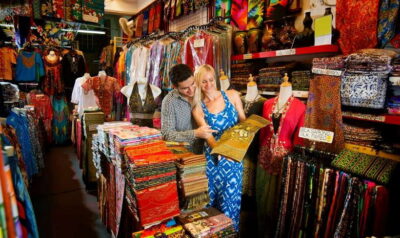
Historical Malacca Day Tour from Kuala Lumpur (Private Tour)
Read our review →
Private Half-day Batu Caves and Cultural Tour Kuala Lumpur *2026*
Read our review →
Malacca Historical Private Tour With Personal Chauffeur
Read our review →Browse the lists this tour appears in