
Reviewed · CRUISES & BOAT TOURS
Kuching: Walking Tour with Sampan Boat Ride and Lunch
Kuching’s best introduction may be its simplest: cross the Sarawak River in a traditional Malay sampan, then walk through streets shaped by Malay, Chinese, Indian, and British influences. I like that this four-hour tour combines river views with real city wandering, rather than keeping you inside a vehicle. I also like the local lunch, which gives you a practical taste of Kuching without turning the meal into a formal production.
The main consideration is the walking. You will cross bridges, move through market streets, and spend much of the tour outdoors, so sturdy shoes, water, a hat, and sunscreen matter. The tour is not suitable for wheelchair users, and the one-hour lunch stop may feel short if you prefer a slow meal.
In This Review
- Key points at a glance
- Starting beside Kuching’s Word Sign
- Crossing the Sarawak River by sampan
- Colonial Kuching and the White Rajahs
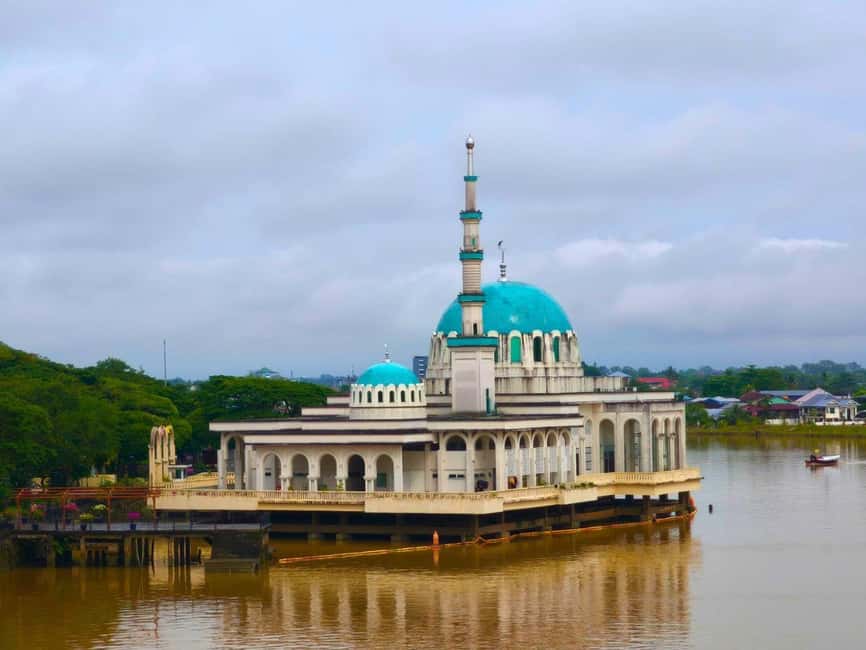
- Darul Hana Bridge and the India Mosque
- Gambier Street and the smell of old trade
- A one-hour hawker center lunch
- Old Bazaar Street and the last heritage shophouses
- Ending at the Chinese Heritage Museum
- What $26 buys you in four hours
- Who should book this Kuching walk
- Should you book it?
- FAQ
- How long does the Kuching walking tour last?
- Where does the tour start?
- Where does the tour finish?
- Is lunch included?
- Is the boat ride included?
- Is the tour suitable for wheelchair users?
Key points at a glance
- Sampan crossing on the Sarawak River: A short traditional boat ride gives you a fresh view of Kuching’s riverfront, modern buildings, and older riverside homes.
- A clear look at the White Rajahs: Colonial buildings and guide commentary help explain the Brooke family’s unusual rule over Sarawak.
- Darul Hana Bridge and India Mosque: The bridge offers strong river photographs, while the mosque adds an important part of Kuching’s Islamic heritage.
- Gambier Street’s spice trade: This is one of the tour’s most sensory stops, with the smells and activity of Kuching’s old market quarter.
- Lunch at a hawker center: You eat local food in an everyday setting, with more choice and less ceremony than a restaurant meal.
- Small-group format: With no more than 15 people, you have a better chance to hear the guide and ask questions.
Starting beside Kuching’s Word Sign
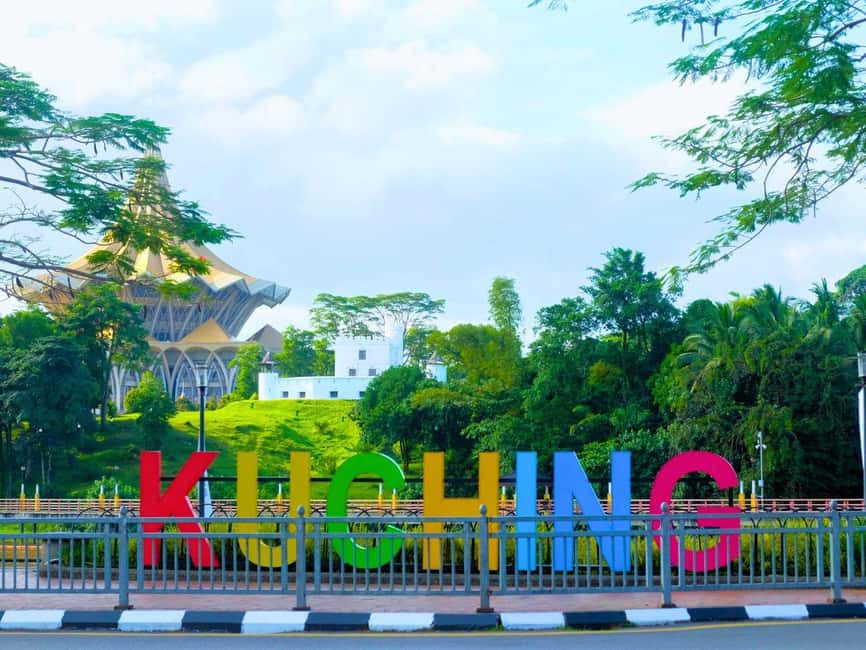
The tour begins at the Kuching Word Sign on Jalan Tunku Abdul Rahman. It is an easy meeting point, and the riverfront setting gives you an immediate sense of the city’s layout.
Use this first stop to take photographs and get your bearings. The sign is colorful, but the more useful feature is the open view toward the Sarawak River. Kuching is a city best understood from the water, with its old center on one side and newer development and riverside communities spread along the banks.
Your English-speaking guide should meet you here. Guides connected with this experience include Jerry and Drika, and the strongest praise attached to the tour centers on a friendly, flexible manner. That matters on a walking tour. A good guide can spend more time on architecture if that interests you, or explain local customs and food if those are your priorities.
The group is limited to 15 participants. That is still large enough to have the energy of a shared outing, but small enough for questions to be practical. As with any group walk, you should stay close to the guide at crossings and crowded market areas.
A few more Kuching trips to weigh up
- From Kuala Lumpur: Historical Melaka Day Tour with Lunch
★ 4.4 · 2,297 reviews - From Kuala Lumpur: Cameron Highlands Day Tour with Lunch
★ 4.3 · 1,178 reviews - Langkawi: Kilim Mangrove Boat Tour with Lunch and Pickup
★ 4.8 · 899 reviews
Crossing the Sarawak River by sampan
The boat ride comes early, which is a smart choice. You get off the streets, see Kuching from a different angle, and understand why the river has always been central to local trade and daily life.
This is a traditional Malay sampan, not a long sightseeing cruise. The stated boat portion lasts about 30 minutes, including guided sightseeing, so expect a short river journey rather than a full morning on the water. That is enough time to watch the banks change as you move between the city center and riverside areas.
Look for the contrast between modern buildings and more traditional villages along the river. The view is valuable because it puts Kuching’s past and present in the same frame. From the pavement, these parts of the city can feel separate. From the boat, their relationship becomes clearer.
Bring your camera, but keep it secure while boarding and during the crossing. The river is also an exposed setting, so a hat and sunscreen are useful even if the morning begins cool. Water is worth carrying from the start.
Colonial Kuching and the White Rajahs
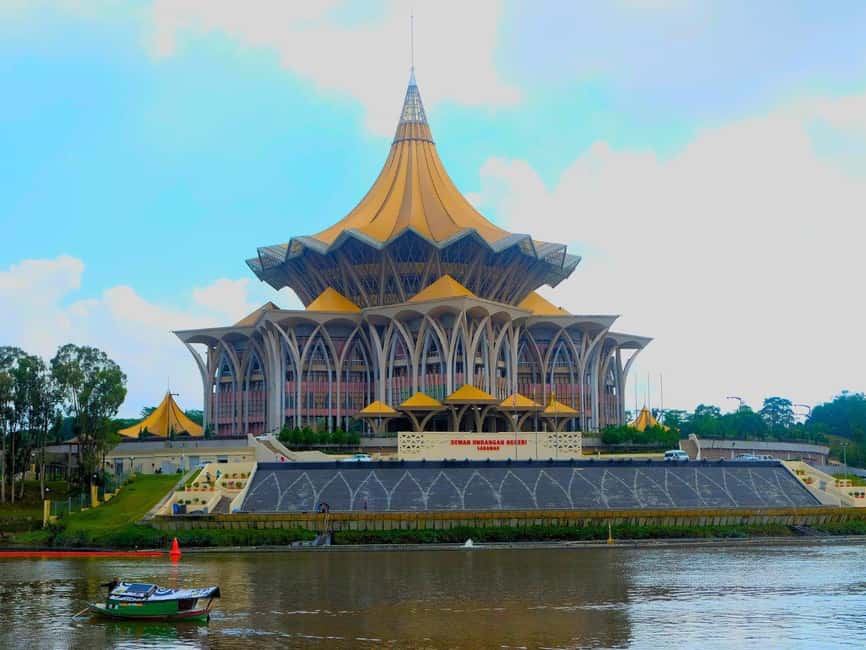
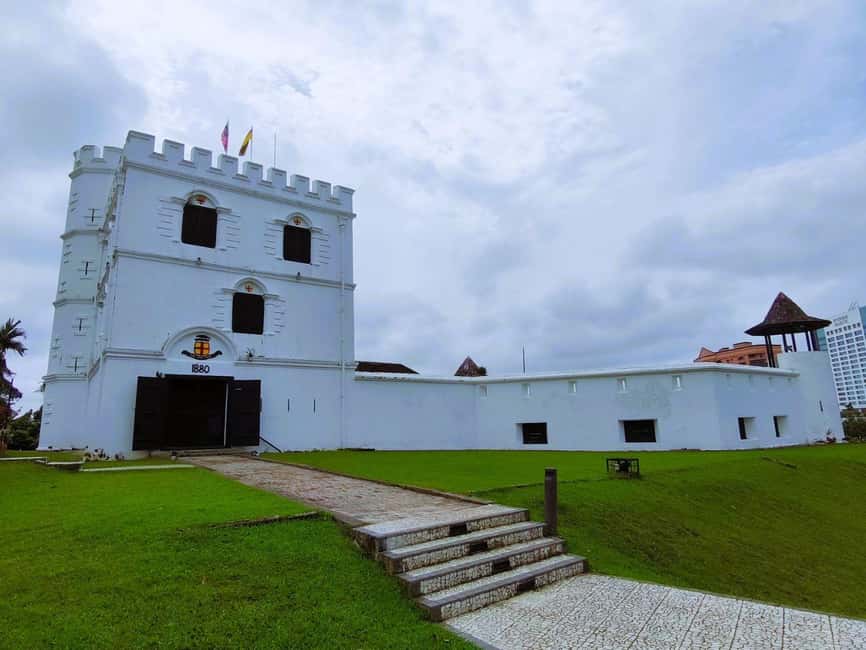
After the river section, the tour turns toward Kuching’s older center. Here, the guide explains the Brooke family, often called the White Rajahs of Sarawak, and the buildings connected with their rule.
The value of this part is not just the architecture. Colonial facades can look attractive while hiding complicated political stories. A live guide gives you a chance to ask how the Brooke period affected Sarawak and how it fits into the city’s wider Malay, Chinese, Indian, and indigenous setting.
The schedule allows about 30 minutes for one guided walking section, followed by several photo stops of roughly 20 minutes each. That suggests a relaxed pace with time to pause, take pictures, and hear short explanations rather than a nonstop march through dates and names.
Do not expect every building to be open for a long interior visit. The strength here is the street-level view and the guide’s explanation. If you enjoy old facades, civic buildings, and stories tied to political power, this part gives the tour its historical frame.
Darul Hana Bridge and the India Mosque
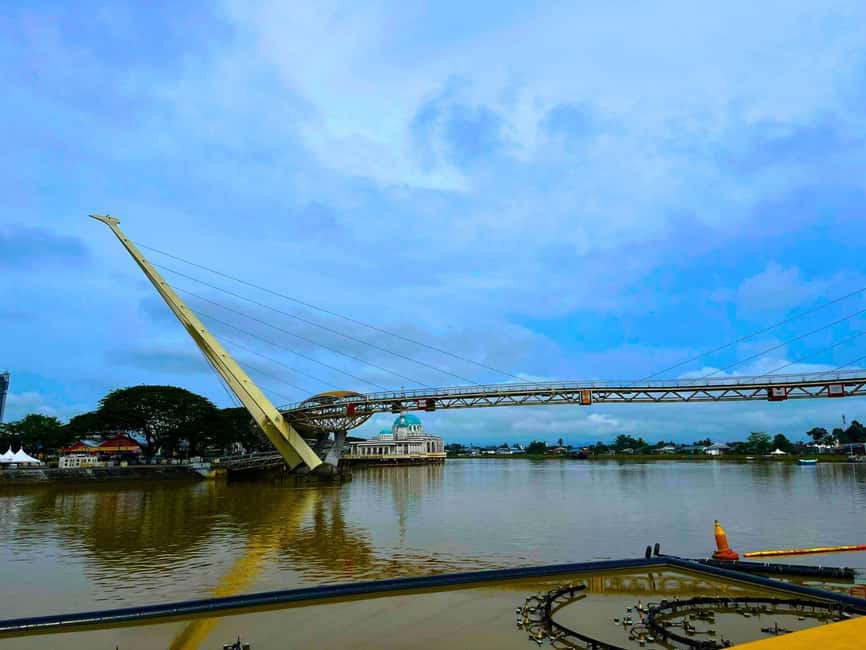
The Darul Hana Bridge is one of the clearest visual highlights. Its design draws inspiration from the hornbill, a bird strongly associated with Borneo, and its position over the Sarawak River makes it a natural place for photographs.
Crossing the bridge also changes the rhythm of the tour. You move from streets and building fronts to a broad river view, with the city spread around you. Take your time here, but remember that the group continues together and the bridge can be sunny.
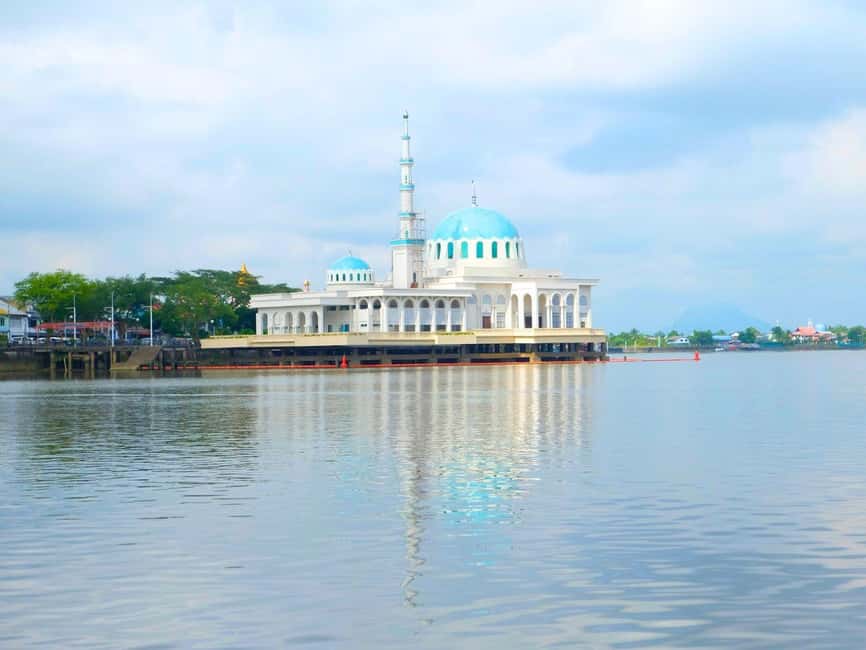
The India Mosque adds a different layer to the walk. Its striking appearance and location near the old trading district make it a useful stop for understanding Kuching’s Muslim and Indian connections. This is not simply a photo stop. It helps show how commerce, faith, and migration shaped the city side by side.
The supplied timing lists several stops at about 20 minutes each. That is enough for a good look and a guide explanation, but not enough for a long architectural study. If you want extensive time inside religious sites, check what access is available on the day and dress respectfully.
Same city, a completely different kind of day:
- Half-Day Heritage Bike Tour in Kuching
★ 5.0 · 162 reviews - Night Froggy Adventure at Kubah National Park
★ 5.0 · 71 reviews - Semenggoh Orangutan Centre from Kuching
★ 4.5 · 53 reviews - Bako National Park from Kuching City
★ 4.5 · 35 reviews
Gambier Street and the smell of old trade
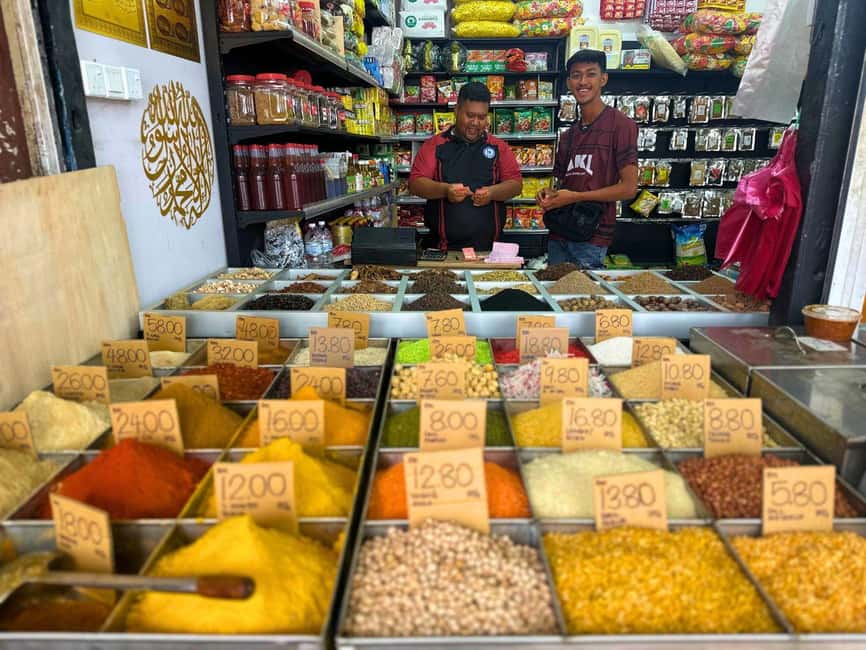
Gambier Street is where the tour becomes especially grounded in everyday city life. The street is known for spices and market activity, so this section is less about grand buildings and more about the smells, goods, and movement of an older commercial quarter.
Spices tell you something about Kuching’s past without requiring a museum label. They point to trade routes, household cooking, and the many communities that have used the city as a meeting place. Your guide can help connect those small details to the larger story of Sarawak.
This is also a good place to keep your expectations realistic. Market streets are working parts of a city, not staged attractions. Conditions can be crowded, noisy, or uneven, and the tour’s walking requirement is most obvious here. Wear shoes with a firm sole and keep your belongings close.
Gambier Street may be one of the most memorable parts for you if you prefer local texture to polished sightseeing. It is less useful for anyone who wants only major monuments and quick photo stops.
A one-hour hawker center lunch
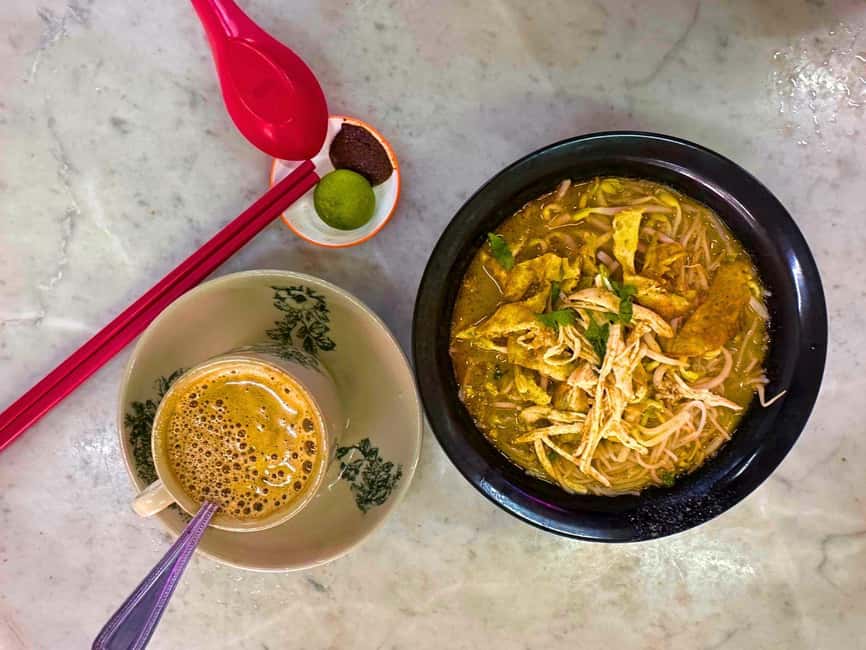
Lunch takes about an hour at a nearby hawker center. I consider this a strong part of the $26 price because it places the meal in an ordinary local setting rather than adding an expensive restaurant bill.
A hawker center is also a practical way to sample local flavors. You may have more than one food choice, though the exact dishes are not specified, so do not book this expecting a guaranteed menu. The guide can help you understand what you are eating and how the meal fits into Kuching’s food culture.
The one-hour limit keeps the four-hour schedule moving. It also means you should not expect a long, leisurely meal with several courses. If food is your main reason for visiting Kuching, you will likely want to explore more hawker stalls independently afterward.
For many people, this stop will be a welcome pause after the bridge and market walking. It offers shade, a chance to sit, and an informal way to talk with the guide about what you have seen so far.
Old Bazaar Street and the last heritage shophouses
After lunch, the walk continues to Old Bazaar Street. This area is known for some of Kuching’s last heritage shophouses, which give the old center much of its character.
Shophouses are useful historical clues. Their narrow fronts and connected rows show how homes, shops, storage, and trade once worked together in a dense urban district. You can appreciate the details at street level, from old proportions to signs of continuing commercial use.
The tour does not promise extended shopping time, so think of this as a guided look rather than a dedicated retail stop. If a shop catches your eye, note its location and return later. The group schedule needs to keep moving toward the final museum.
I like this section because it links architecture to daily life. The colonial stops explain government and power. Old Bazaar Street shows the practical business side of the city.
Ending at the Chinese Heritage Museum
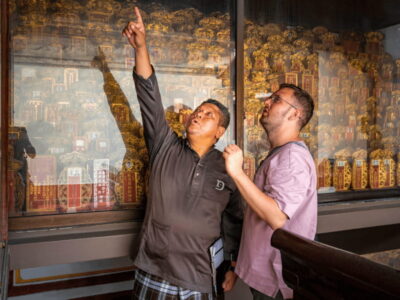
The tour finishes at the Chinese Heritage Museum, in Sarawak. This is a fitting final stop after the river, mosque, market, and shophouses because it brings Kuching’s multicultural story into focus.
The schedule gives about 45 minutes for guided sightseeing here. You can expect the guide to explain the museum and its place in Kuching’s Chinese community, then leave you to reflect on the city’s shared past at your own pace.
The museum gives the tour a useful ending rather than dropping you at a random street corner. By this point, you have seen several communities and traditions in physical form. The museum helps connect those separate impressions.
Because the tour ends here, you should plan your next step before setting out. Hotel pickup and drop-off are not included, and the start and finish points are different. That is not a problem for most independent visitors, but it is worth noting if you need to return to a hotel at a fixed time.
What $26 buys you in four hours
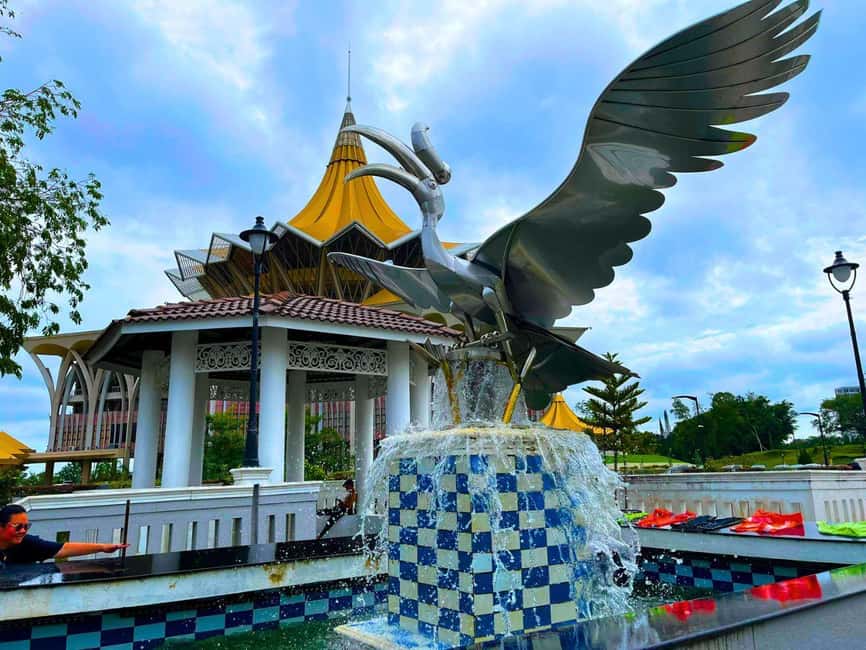
At $26 per person, the value is solid if you want several Kuching experiences combined in one morning or afternoon. The price includes an English-speaking guide, the sampan ride, and lunch. You are paying for interpretation and coordination as much as for the individual stops.
A boat ride on its own would not explain the White Rajahs, Gambier Street, or the Chinese Heritage Museum. A food stop on its own would not show you how the river, old markets, mosques, and colonial buildings fit together. The tour earns its price by joining these pieces into one walk.
The tradeoff is depth. Four hours covers a lot, but no single site receives a long, specialist visit. You will see the key areas and get a useful introduction, then decide where you want to return on your own.
The small group improves the value. With a maximum of 15 people, you are less likely to lose the guide’s explanations in a crowd, and questions about food, architecture, or local customs should be easier to ask.
Who should book this Kuching walk
I would choose this tour for a first visit to Kuching, especially if you have limited time and want an overview without arranging several separate activities. It suits curious walkers who enjoy history, local food, river views, and ordinary city streets in equal measure.
It is also a good match for solo visitors who want structure without joining a huge coach group. The guide gives you company and context, while the small group keeps the outing personal enough for conversation.
You should think twice if you dislike walking in sun, need step-free access, or want a slow, food-focused tour. The experience is not suitable for wheelchair users, and the itinerary includes bridges, market streets, photo stops, and a boat transfer.
Comfortable shoes are essential. Bring water, a camera, a hat, and sunscreen. There is no hotel pickup or drop-off, so allow time to reach the Kuching Word Sign and arrange your onward route from the Chinese Heritage Museum.
Should you book it?
Book this Kuching tour if you want an efficient introduction to the city’s river, food, architecture, and mixed cultural heritage. The sampan crossing and hawker lunch give it more local character than a basic historic walk, while the guide-led explanations add meaning to the buildings and markets.
Skip it if you prefer exploring alone or want to spend a full afternoon at one museum or market. For most first-time visitors who can comfortably walk for four hours, the combination of boat, bridge, mosque, spices, shophouses, lunch, and museum makes $26 a fair deal.
FAQ
How long does the Kuching walking tour last?
The tour lasts four hours. The schedule includes a 30-minute boat and sightseeing section, a one-hour lunch, and about 45 minutes at the Chinese Heritage Museum, along with walking and photo stops.
Where does the tour start?
It starts at the Kuching Word Sign on Jalan Tunku Abdul Rahman, 93100 Kuching, Sarawak, Malaysia.
Where does the tour finish?
The tour finishes at the Chinese Heritage Museum, also called Muzium Sejarah Cina, in Sarawak.
Is lunch included?
Yes. Lunch at a nearby hawker center is included in the tour price.
Is the boat ride included?
Yes. The traditional Malay sampan boat ride is included.
Is the tour suitable for wheelchair users?
No. The activity is not suitable for wheelchair users. Comfortable shoes are recommended because the tour involves walking.
Just added around Kuching
- Traditional Bidayuh Village Bamboo Longhouse Tour★ 3.5 · 6 reviews
- Semenggoh Orangutan Center & Sarawak Cultural Village★ 4.5 · 10 reviews
- Sarawak Cultural Village Tour★ 4.5 · 6 reviews
- Semenggoh Wildlife Centre: Orangutan Discovery from Kuching★ 4.5 · 8 reviews
- Sarawak Cultural Village Tour from Kuching★ 5.0 · 13 reviews
- Sarawak Sunset River Cruise with Return Transfer★ 4.0 · 5 reviews
- Sarawak Cultural Village Tour from Kuching★ 5.0 · 12 reviews
- Shared Mangrove & Irrawaddy Dolphin Watching Cruise★ 4.5 · 10 reviews
Cruises & Boat Tours, compared.
5 Hours Sharing Basis Kilim Mangrove Safari Boat Tour in Langkawi
Read our review →
Bongawan River Cruise: Proboscis Monkey & Fireflies Mangrove
Read our review →
Browse the lists this tour appears in