
Reviewed · COOKING CLASSES
Sabah Traditional Authentic Cuisine Cooking Class 3 Hours
The best part of this Sabah cooking class is its connection to real homes and local kitchens. You may cook on Auntie Winnie’s terrace or at a village home, using ingredients from a garden as well as the market. This is not a polished restaurant demonstration. You chop, stir, taste, and learn why each ingredient belongs in the pot.
I like the warm local hosts, especially Auntie Winnie, Auntie Cindy, and Chef Bonny, and I like the way the class explains food culture instead of treating recipes as a list of steps. The meal you make becomes lunch, and you receive recipes to use at home. One point to consider: ingredients are prepared before the session, so this is focused on cooking rather than a full market visit or ingredient-preparation workshop.
In This Review
- Key points at a glance
- A Sabah kitchen rather than a staged food show
- Meeting Auntie Winnie, Auntie Cindy, and Chef Bonny
- What happens from 10:00 a.m. to 1:00 p.m.
- Ingredients that make the class different
- Why the hands-on format works
- The setting: terrace, garden, or indoor kitchen
- Is $50 a fair price?
- Who should book this Sabah cooking class?
- Booking details worth checking
- Should you book it?
- FAQ
- How long does the Sabah Traditional Authentic Cuisine Cooking Class last?
- Where does the cooking class take place?
- Is hotel pickup included?
- Which languages are available?
- Who teaches the class?
- Can dietary requirements be accommodated?
- Do I get to eat the food I cook?
Key points at a glance
- Cook with Sabahan hosts: Auntie Cindy, Auntie Winnie, Chef Bonny, and other local instructors lead the session.
- Use local ingredients: You may work with jungle garlic, bunga kantan, lemongrass, fish, vegetables, and produce from a home garden.
- Eat what you make: The cooking ends with lunch, so arrive hungry rather than treating this as a light snack stop.
- Learn the story behind the food: The lesson covers ingredients, cooking methods, flavor, history, and local food culture.
- Enjoy a personal setting: Classes can take place indoors, on a terrace, or in a village home, depending on the arrangement.
- Plan around a three-hour morning: The standard session runs from 10:00 a.m. to 1:00 p.m., with hotel pickup from downtown Kota Kinabalu.
A Sabah kitchen rather than a staged food show
This experience gives you a practical way to meet Sabah through its cooking. Sabah food reflects the produce, herbs, seafood, and food traditions of northern Borneo, and the class places those ingredients in the hands of local cooks who use them every day.
The setting matters. Several sessions take place at a host’s home, terrace, or garden rather than in a formal cooking school. Auntie Winnie’s home has been described as a relaxed tropical setting, while another class took place at Judith’s village home. You may find yourself cooking beside a garden, with family members or assistants helping during the lesson.
That informality is a strength if you want contact with daily life. It also means the experience may feel less uniform than a commercial kitchen class. The exact host, setting, and dishes can vary, so you should book this for the local connection and hands-on cooking rather than a tightly scripted show.
The class has a strong record, with a stated rating of 4.9 from 22 reviews. The most consistent praise centers on the hosts, the step-by-step teaching, the unusual ingredients, and the meal at the end.
A few more Kota Kinabalu trips to weigh up
- Malaysia Cooking Classes With Local
★ 5.0 · 87 reviews - LaZat Malaysian Cooking Class
★ 5.0 · 87 reviews - New Malaysian Kitchen Cooking Class and Garden Tour
★ 5.0 · 54 reviews
Meeting Auntie Winnie, Auntie Cindy, and Chef Bonny
The instructors are the heart of the morning. The listed hosts include Auntie Cindy, Auntie Winnie, and Chef Bonny, all local cooks with a close understanding of Sabahan food and its cultural background. Other sessions have included Dedie, Gregory, Gunnar, and Judith, so your teaching team may differ.
Auntie Winnie receives particular attention for her friendly, relaxed teaching style. She explains ingredients as you cook and, in some sessions, points out produce from her own garden. That detail changes the class from a generic Southeast Asian cooking lesson into something tied to one place and one household.
You can expect the instruction to be practical. The cook explains what an ingredient is, how it should be handled, what it contributes to the dish, and how the flavors come together. You then take part rather than simply watching from the side.
The hosts also add a personal touch. One class included a birthday cake arranged for a participant, and Judith photographed and filmed the cooking session. Those extras are not listed as standard inclusions, so do not count on them for every booking, but they show the flexible spirit of the operation.
The available teaching languages are English, Malay, Chinese, and Traditional Chinese. English-language instruction is specifically offered, which makes it easier to follow explanations about unfamiliar herbs and cooking techniques.
What happens from 10:00 a.m. to 1:00 p.m.
The standard workshop lasts three hours, from 10:00 a.m. to 1:00 p.m. Free pickup is available from hotels in downtown Kota Kinabalu. If you are staying outside the downtown pickup area, check the arrangement before booking rather than assuming transport is included.
The morning begins with an introduction to the dishes and ingredients. Since the ingredients are prepared in advance, you can get to the main work quickly. This is useful for a three-hour class because you spend your time cooking instead of washing, peeling, or waiting for every item to be assembled.
You will then work through the dishes with the instructor. The exact menu is not fixed in the information provided, but past sessions have included fish, vegetables, and more than five Sabah dishes. You may encounter ingredients such as bunga kantan, lemongrass, and jungle garlic, all of which bring flavors that may be unfamiliar if your cooking experience has mostly centered on European or North American food.
Expect the class to include explanation as well as action. The host discusses the history and culture connected to the food, then shows you the cooking style and how the finished dish should taste. You should have a chance to ask questions and adjust your understanding by smelling, tasting, and handling the ingredients.
At the end, you sit down to eat what you have prepared. That meal is one of the strongest reasons to come hungry. One participant specifically advised not eating pizza three hours before the class, and that is sound practical advice if you want to try the full spread.
You can consume the food at the location or arrange to take your cooking home. The available information does not specify how much food is produced or how leftovers are packed, so ask the host if taking food away is important to you.
Ingredients that make the class different
The ingredient lesson is where this experience moves beyond a standard curry or noodle workshop. You might work with bunga kantan, a fragrant torch ginger flower often used in Malaysian cooking, along with lemongrass and jungle garlic. These are not simply flavorings added without explanation. The instructor connects them to the food and shows you how they function in the dish.
Home-grown produce adds another useful layer. Auntie Winnie has shown participants where fresh ingredients came from in her garden. That short walk or explanation helps you understand the distance between garden, kitchen, and plate, even though the class is not marketed as a gardening tour.
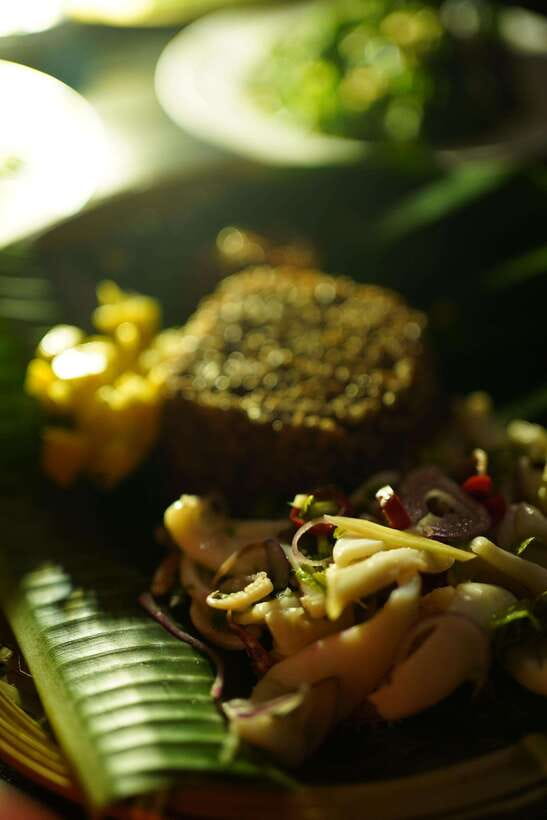
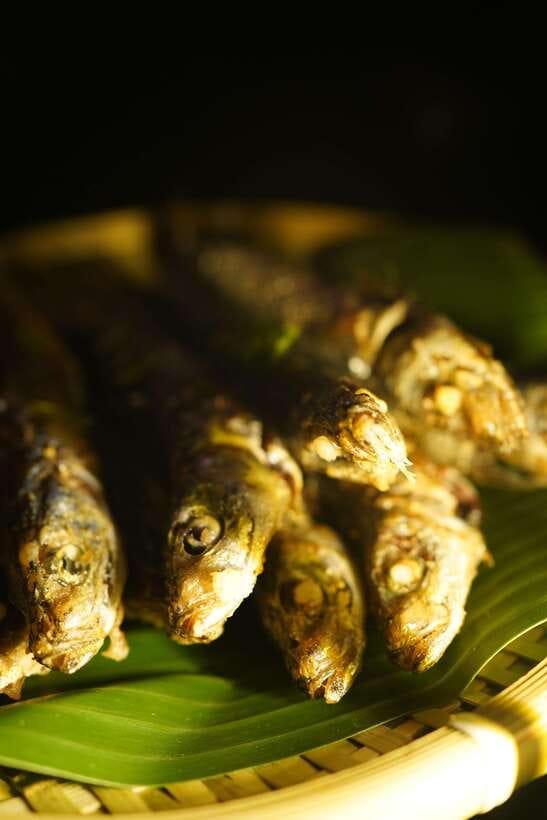
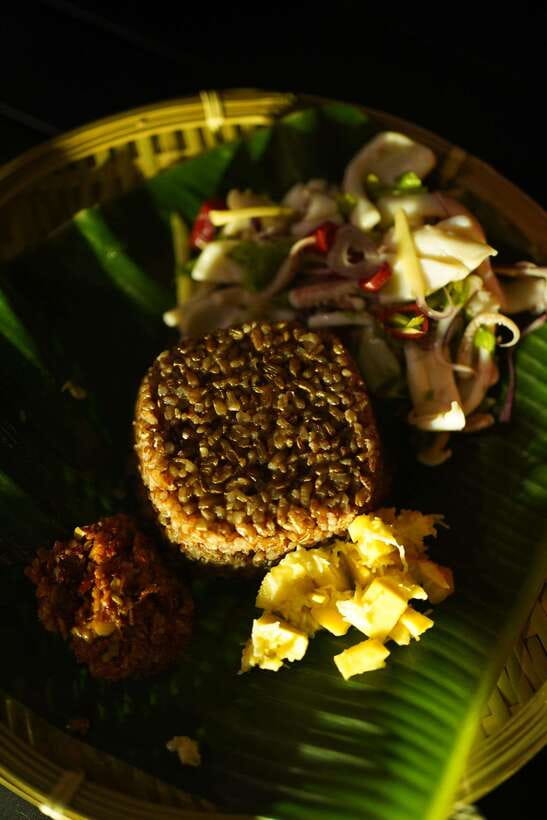
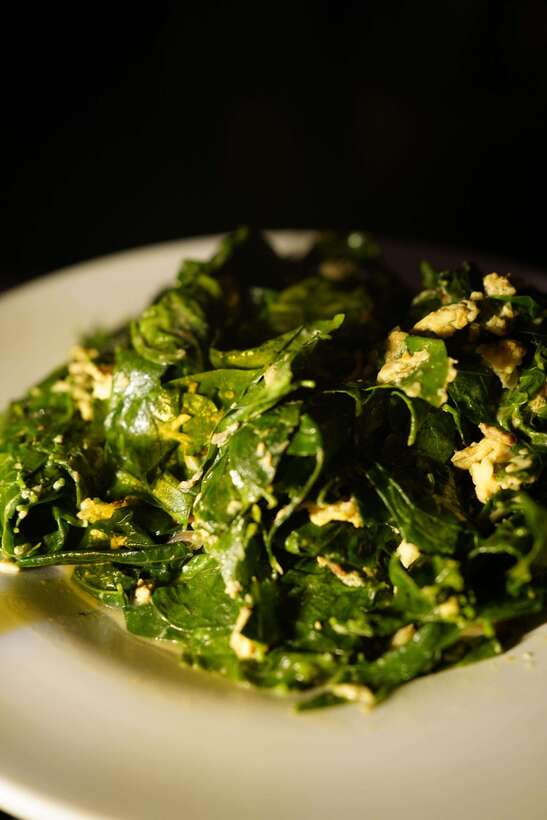
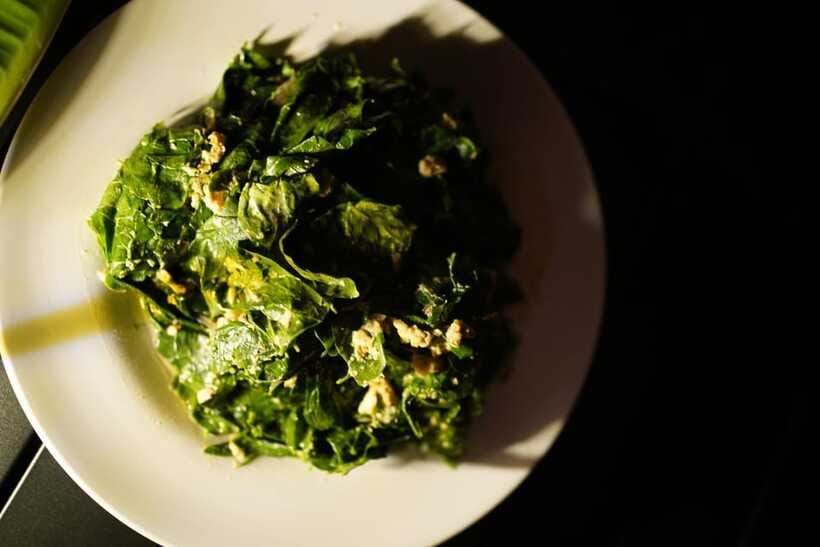
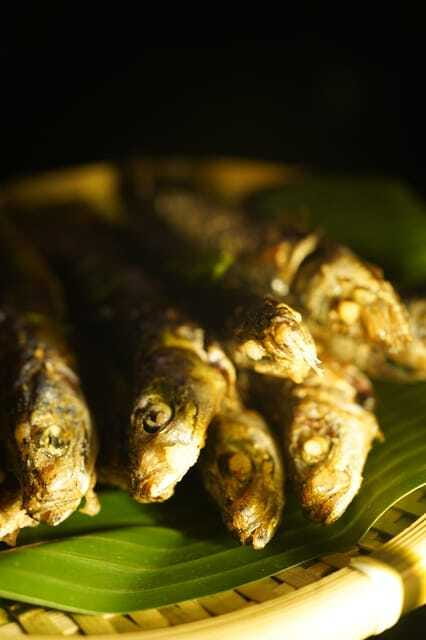
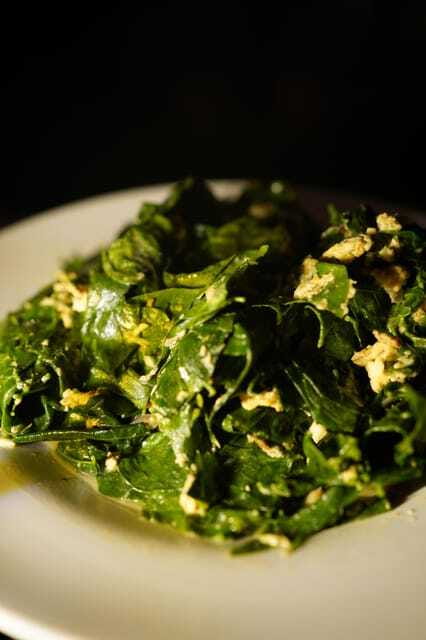
Fish and vegetables have appeared in past meals, and the food has been described as healthy, fresh, and unlike dishes available elsewhere during a Borneo visit. The menu may appeal to you if you like tasting new flavors but prefer to encounter them in a meal rather than through a formal tasting session.
The class does not promise a single fixed menu in the supplied details. That is worth remembering. You should be open to the day’s selection and ask about the planned dishes if you have strong preferences or allergies.
Dietary needs can be accommodated with advance notice. Vegetarian, no-pork, gluten-free, and other diets are listed as possible. Tell the operator before the class, not when the cooking has already begun, so the host can plan suitable ingredients.
Same city, a completely different kind of day:
- 2D1N Mount Kinabalu Climbing
★ 5.0 · 494 reviews - Guided Snorkeling Day Trip, Kota Kinabalu, Sabah, Malaysia
★ 5.0 · 282 reviews - Kota Kinabalu: Mari Mari Cultural Village Tour with Lunch
★ 5.0 · 152 reviews - Borneo (Klias) River Cruise & Fireflies Tour
★ 4.5 · 126 reviews
Why the hands-on format works
A cooking demonstration can be pleasant, but it leaves you with limited practice. Here, the goal is for you to make the dishes yourself under guidance. The instructor explains each stage, then lets you take part.
That format suits beginners. You do not need to arrive with advanced knife skills or detailed knowledge of Malaysian food. The step-by-step teaching is designed to show you what to do and why it matters.
It also suits experienced home cooks who want ideas to take home. You receive a copy of the recipes, which gives the class value after your holiday. The recipes may not reproduce every detail of the original meal, since local produce and the host’s own judgment are part of the experience, but they give you a working starting point.
I especially like the focus on taste. You are not only told to add an ingredient. You learn what it should smell and taste like, and how the cook judges the dish. That kind of instruction is more useful than a recipe card alone.
There is one limit. The ingredients are already prepared for this particular workshop. If you want to learn how to shop in a Kota Kinabalu market, select a fish, clean herbs, or prepare every item from scratch, this is not that class. Its strength is cooking and cultural explanation within a three-hour window.
The setting: terrace, garden, or indoor kitchen
The standard workshop is primarily indoors, but actual sessions can take place in a home or on a terrace. The setting may be a major part of your memory, especially if your class is held in a village home surrounded by garden produce.
Auntie Winnie’s terrace and kitchen have provided a calm place to cook, while another group worked at Judith’s home in a local village. These settings offer a more personal look at Sabah than a hotel activity room would.
The tradeoff is predictability. A home-based class does not have the same controlled feel as a culinary studio. You may have different work surfaces, utensils, or seating from one session to another. Utensils and crockery are not included in the stated package, so clarify what the host provides and what you need to bring if that affects your comfort.
Special arrangements may be possible for a night class or an outdoor or campsite session. These are not part of the normal three-hour schedule, so you will need to ask in advance about availability and any changes to the plan.
The setting is best for you if you value conversation, local hospitality, and a sense of place. If you want a polished kitchen, fixed menu, and restaurant-style service, choose a different kind of cooking class.
Is $50 a fair price?
At $50 per person, this class is not the cheapest way to eat in Sabah. Local food can cost far less than that, and a restaurant meal does not require three hours of your holiday.
The comparison changes when you consider what is included. You receive instruction from a local chef, prepared ingredients, cultural explanation, recipes, the cooking session, and the meal you make. Downtown hotel pickup is also included, which can reduce the hassle of arranging transport if you are staying in the stated area.
The value is strongest for someone who wants one meaningful food experience rather than another meal at a restaurant. You are paying for time with a local host, access to a home kitchen or garden setting, and the chance to recreate some of the dishes later.
The price is less attractive if you mainly want to eat. In that case, you could spend much less on a meal and use the saved time for another Kota Kinabalu activity. The class earns its cost through participation and conversation, not through the amount of food alone.
A current discount is advertised for a limited period, but the supplied details do not state the reduced price or its end date. Check the price at booking rather than assuming the discount will still apply.
Who should book this Sabah cooking class?
I would recommend it most strongly to food-focused visitors, curious home cooks, couples, families, and small groups who want a personal activity in Kota Kinabalu. It is also a good choice for a quieter morning between more active days in Sabah.
The three-hour schedule works well during a short stay. You get a substantial local experience without giving up a full day. The included lunch also makes it easy to build the class into your daily meal plans.
This is a particularly good match if you enjoy asking questions. You will get more from the session if you want to know why an herb is used, how a dish fits local food culture, and what changes when you cook it at home.
You may want to skip it if you dislike unfamiliar ingredients, do not want to eat fish or vegetables, or prefer to watch rather than cook. You should also state dietary restrictions early, even though vegetarian, no-pork, gluten-free, and other arrangements are possible.
Wheelchair access is listed, but a home setting can vary. If you use a wheelchair, confirm the details of the particular venue and pickup before you go.
Booking details worth checking
You can cancel up to 24 hours before the experience for a full refund. A reserve-now, pay-later option is also available, which is useful if your Kota Kinabalu plans may change.
The usual start time is 10:00 a.m., but you should check availability for your date. Pickup is free from downtown Kota Kinabalu hotels only. A taxi problem affected one participant’s journey to the cooking location, although the class itself was considered a success once the guest arrived, so confirm the pickup details and driver contact before departure.
Bring an appetite and wear clothes suitable for cooking. The operator does not specify a clothing requirement, but a home kitchen is a practical place rather than a formal dining room. You receive recipes, while utensils and crockery are listed as not included.
Should you book it?
Book this class if you want Sabah food explained by Sabahan cooks and you like the idea of preparing lunch in a local home or garden setting. Auntie Winnie, Auntie Cindy, and Chef Bonny bring the human side of the experience, while ingredients such as bunga kantan, lemongrass, and jungle garlic give you flavors you may not meet in a standard hotel cooking lesson.
Think twice if you want a fixed menu, a market shopping trip, or a highly polished culinary studio. The menu and setting can vary, and the ingredients are prepared before you arrive.
For most food-minded visitors, the combination of hands-on cooking, local stories, recipes, hotel pickup, and a full meal makes $50 reasonable. Come hungry, tell the host about dietary needs early, and allow the home-kitchen setting to be part of the adventure.
FAQ
How long does the Sabah Traditional Authentic Cuisine Cooking Class last?
The standard class lasts three hours, from 10:00 a.m. to 1:00 p.m.
Where does the cooking class take place?
The workshop is primarily conducted indoors, but sessions may take place at a local home, terrace, garden, or village setting. Special arrangements may be possible for outdoor or campsite sessions.
Is hotel pickup included?
Free pickup is included from hotels in downtown Kota Kinabalu only.
Which languages are available?
Instruction is available in English, Malay, Chinese, and Traditional Chinese.
Who teaches the class?
The listed local hosts include Auntie Cindy, Auntie Winnie, and Chef Bonny. Other sessions may include additional hosts or assistants.
Can dietary requirements be accommodated?
Vegetarian, no-pork, gluten-free, and other diets can be accommodated if you tell the operator in advance.
Do I get to eat the food I cook?
Yes. You can savour your cooking at the location for lunch or arrange to take the results home.
More 3-Hour Experiences in Kota Kinabalu
- Langkawi: Mangrove River Cruise Sharing 3 Hours
★ 4.6 · 474 reviews - Private Mangrove Tour 3 Hour (max 8 People)
★ 5.0 · 9 reviews - 3-Hour Private Street Food Walking Tour in Kuala Lumpur
★ 4.5 · 6 reviews - Langkawi Mangrove Tour : Estimated 3 hours Lunch Available
★ 4.3 · 6 reviews
Just added around Kota Kinabalu
- Sabah: White Water Rafting Grade 3-4 at Padas River★ 4.7 · 3 reviews
- Full-Day Sepilok Orangutan and Sandakan City Trail from Kota Kinabalu★ 4.0 · 6 reviews
- Mangrove Kayaking Experience in Borneo★ 5.0 · 8 reviews
- Sunset E-Foil Experience in Tanjung Aru Beach★ 5.0 · 10 reviews
- Island Hopping ( Manukan & Sapi Island ) From Kota Kinabalu★ 4.5 · 9 reviews
- Join us for a RAID Try Dive in Kota Kinabalu★ 5.0 · 27 reviews
- Padas River White Water Rafting from Kota Kinabalu (Grade 3 & 4)★ 3.5 · 4 reviews
- Monsopiad Cultural Village Visit with Private Transfer from Kota Kinabalu★ 4.5 · 5 reviews
Cooking Classes, compared.
New Malaysian Kitchen Cooking Class and Garden Tour
Read our review →
Market Visit & Private Hands-on Cooking Class at Daun Senja
Read our review →
Malaysian Hands-On Cooking Class : Masala Medley
Read our review →
Browse the lists this tour appears in