
Reviewed · HISTORICAL TOURS
Kota Kinabalu City Tour: Culture & Heritage tour with Lunch
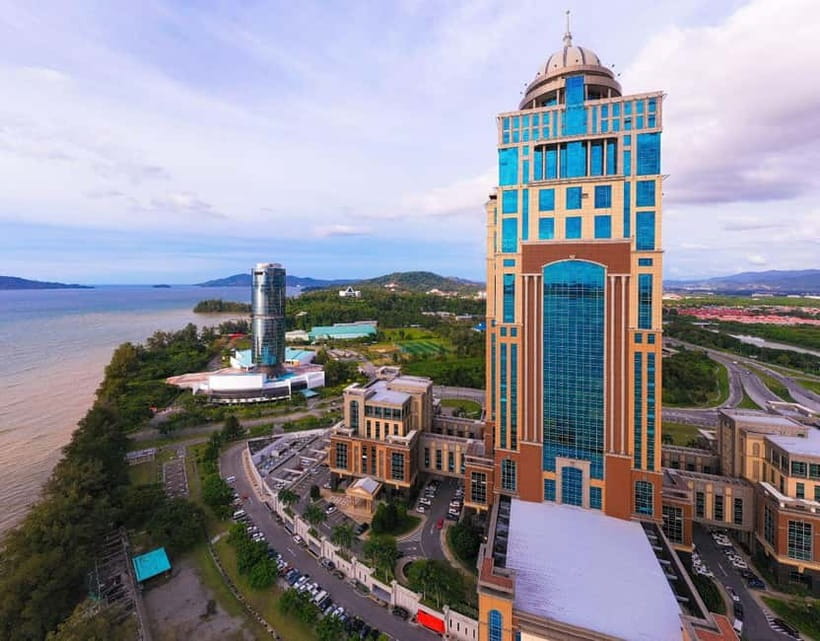
Kota Kinabalu reveals itself best through the small links between its landmarks: a Buddhist temple, an Islamic mosque, a seaside market, an old independence field, and streets where daily commerce carries on around them. This four-hour tour gives you that broad picture, with guide Timmy often adding personal stories and local connections along the way.
I like the mix of major sights and ordinary city life, rather than a tour made up only of photo stops. I also like that lunch is part of the plan, since Sabahan food adds a useful, tasty layer to the cultural picture. The main caution is that four hours is short, and some stops may feel more like quick viewing points than full visits. The observatory has also been reported closed, so confirm the current route before booking.
In This Review
- Key points
- A quick way to understand Kota Kinabalu
- Yayasan Sabah and Kinabalu Tower
- Puh Toh Tze Temple and its quiet symbols
- The Floating Mosque beside its lagoon
- Anjung Kinabalu Market and the city at work
- Padang Merdeka, Gaya Street, and Australia Lane
- Lunch with Sabahan flavours
- What makes Timmy important to the experience
- Timing, transport, and value at $66
- Who should book this city tour?
- Should you book the Kota Kinabalu Culture and Heritage Tour?
- FAQ
- How long is the Kota Kinabalu city tour?
- How much does the tour cost?
- What language is the tour offered in?
- Is lunch included?
- What transport is provided?
- Which main attractions are included?
- Can you visit the inside of the Floating Mosque?
- Where does the tour begin and end?
- Can you cancel for a refund?
Key points
- A compact introduction to Kota Kinabalu: Cover landmarks, temples, markets, historic streets, and local food in four hours.
- A guide-led cultural experience: Timmy is praised for clear stories, humor, flexibility, and a personal approach.
- The Floating Mosque: See Masjid Bandaraya Kota Kinabalu beside its lagoon, with only an exterior visit on Fridays.
- Local food included: Finish at a handpicked restaurant with a Sabahan lunch.
- Useful for first-time visitors: The tour connects modern Sabah with religion, independence, commerce, and daily life.
- A few route questions to check: Some past departures included less engaging university and aquarium time, while the observatory was closed.
A quick way to understand Kota Kinabalu
Kota Kinabalu can seem like a modern coastal city at first glance, but its identity comes from several communities and eras meeting in one place. This tour helps you connect the dots. You see government buildings and architectural symbols of Sabah’s growth, then move to a temple, a mosque, a market, and older public spaces.
The experience begins with pickup in Kota Kinabalu and transport in a comfortable MPV. The supplied timing allows about 20 minutes for the first drive, followed by a series of guided stops, walks, and photo opportunities. Since the tour lasts only four hours, the value comes from the guide’s explanations, not from spending a long time inside each attraction.
I would use this as an orientation tour near the start of a Sabah trip. It gives you names, locations, and stories that make later independent walks around the city easier. It is also a practical choice if you have only a short stay or a free morning between other activities.
A few more Kota Kinabalu trips to weigh up
- Kota Kinabalu: Mari Mari Cultural Village Tour with Lunch
★ 5.0 · 152 reviews - Kota Kinabalu: Manukan & Sapi Islands Snorkeling with Lunch
★ 3.7 · 61 reviews - Mari-Mari Cultural Village Tour Including Lunch
★ 4.5 · 45 reviews
Yayasan Sabah and Kinabalu Tower
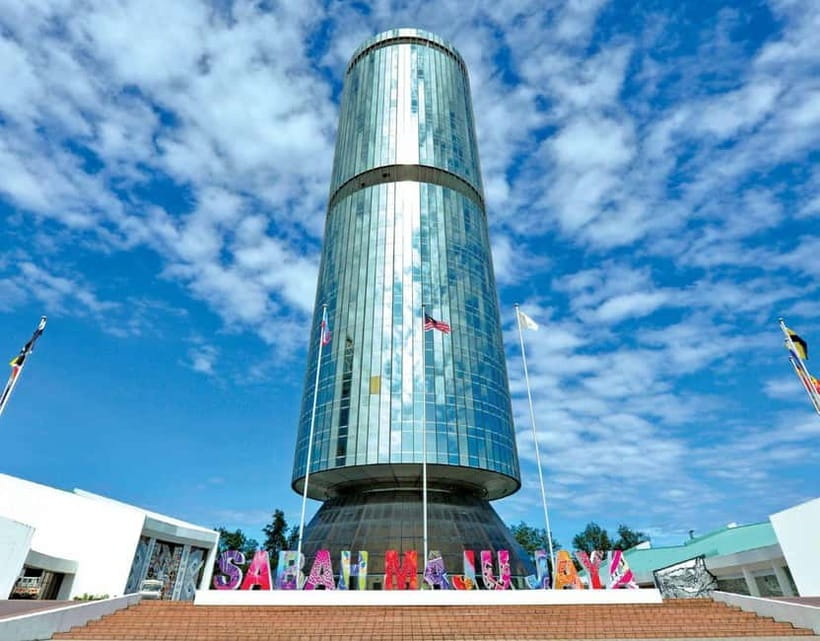
The city tour opens with prominent symbols of Sabah’s modern development. Yayasan Sabah Tower is an instantly recognisable architectural landmark, and it gives your guide a chance to explain how Sabah presents its progress and ambitions.
Next comes Kinabalu Tower, described as the administrative heart of the state. The stop is less about a long interior visit and more about seeing the setting while learning how Sabah’s government and public institutions fit into the wider story of the region.
These locations may not be the most atmospheric stops of the morning, but they help balance the tour. You are not seeing only old buildings or religious sites. You are also seeing how Sabah’s capital represents itself today.
Bring a phone or camera for these early stops. They are designed partly for photographs, and the short visit means you will want to be ready rather than searching through your bag when the guide begins explaining the site.
Puh Toh Tze Temple and its quiet symbols
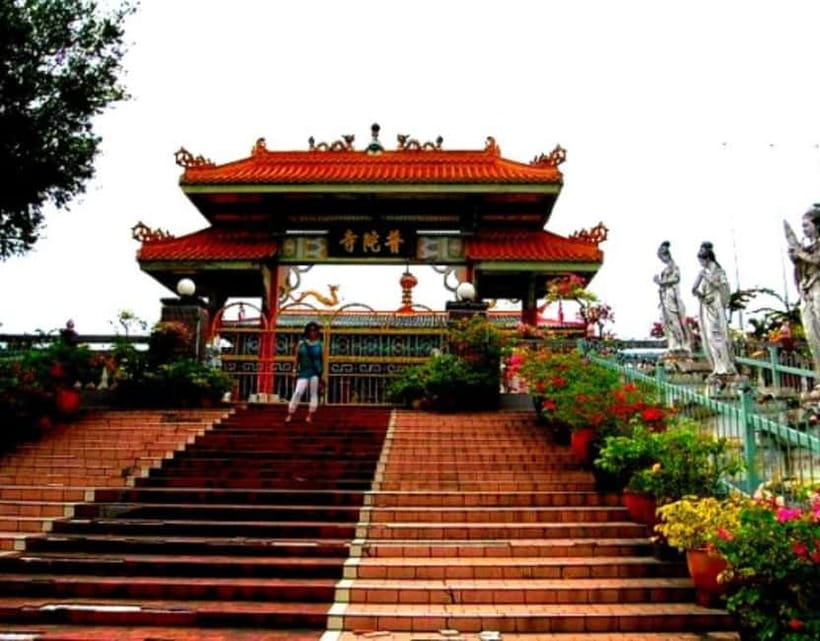
Puh Toh Tze Temple changes the mood. After the city’s administrative landmarks, you enter a more peaceful setting shaped by Buddhist art and ritual.
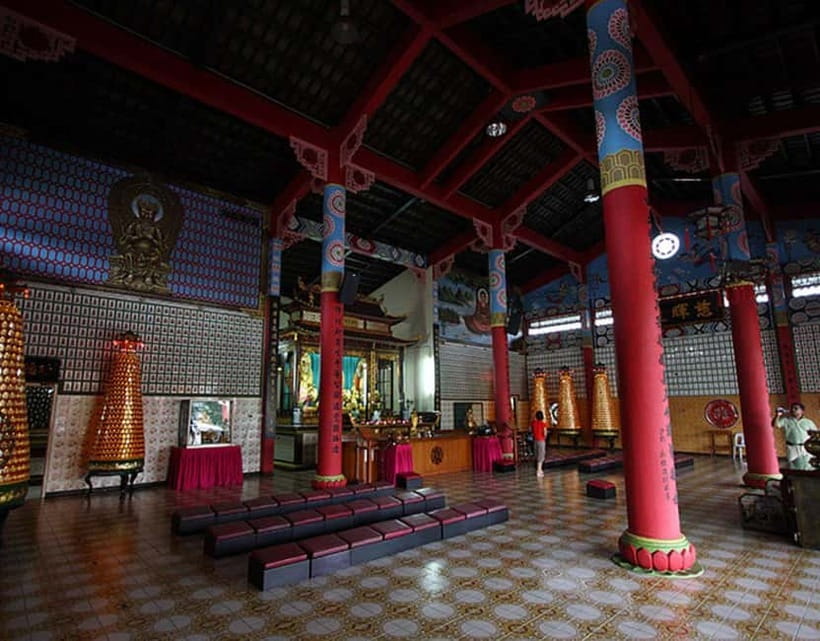
Your guide explains the statues, design details, beliefs, and customs connected with the temple. That context matters. Without it, a temple visit can become a quick look at colourful figures followed by a photograph. With an explanation, you have a better chance of understanding what you are seeing and how the site serves its community.
The temple is one of the stronger reasons to choose a guided tour instead of simply hiring a car and following a map. The attraction itself is accessible to the eye, but its meaning is less obvious. A guide who can explain the symbolism turns a short stop into a cultural lesson.
This is also a place to slow down and behave respectfully. Keep your voice low, follow any posted instructions, and listen for guidance about photography. The tour description does not promise an extended ceremony or private access, so think of this as a guided cultural visit rather than a religious event.
The Floating Mosque beside its lagoon
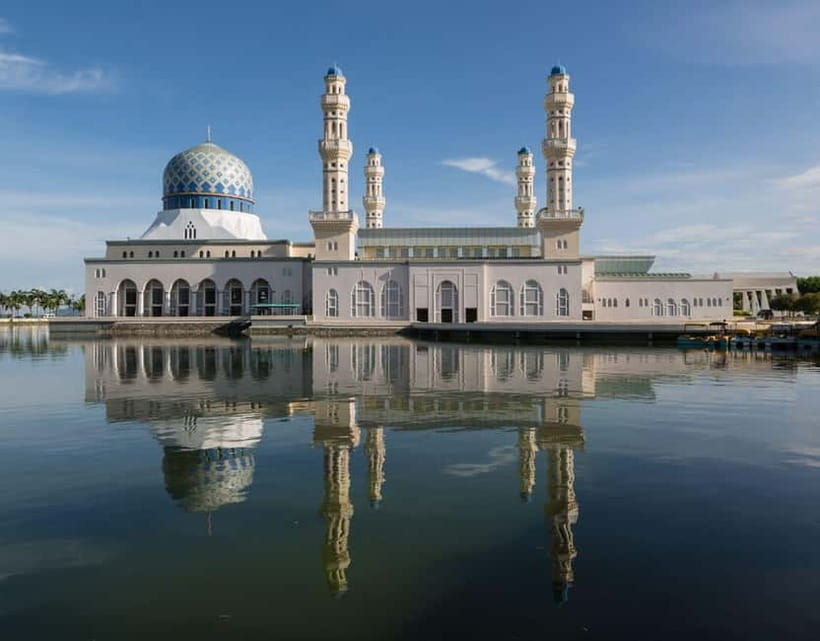
Masjid Bandaraya Kota Kinabalu is known as the Floating Mosque because it sits beside a lagoon and reflects on the water. The setting gives you one of the tour’s clearest photo opportunities, but the mosque also matters as a visible part of Sabah’s Islamic heritage.
The usual visit focuses on the exterior. You can look across the water, photograph the building, and hear your guide explain its place in Kota Kinabalu. On Fridays, prayer sessions limit the visit to an outside view only.
That Friday note is important. If entering religious buildings is a priority for you, avoid assuming that this tour includes an interior mosque visit. Even outside, the stop can be worthwhile, but your expectations should match what is offered.
One practical point: the mosque is mainly a photo and explanation stop, not a long attraction visit. A past participant felt it was less worthwhile because the experience stayed outside. I would treat it as part of the city’s cultural sequence rather than the single reason to book the tour.
Same city, a completely different kind of day:
- 2D1N Mount Kinabalu Climbing
★ 5.0 · 494 reviews - Guided Snorkeling Day Trip, Kota Kinabalu, Sabah, Malaysia
★ 5.0 · 282 reviews - Borneo (Klias) River Cruise & Fireflies Tour
★ 4.5 · 126 reviews - Sky-Mirror Photographing and Proboscis Monkey & Fireflies Watching River-Cruise
★ 4.0 · 109 reviews
Anjung Kinabalu Market and the city at work
At Anjung Kinabalu Market, the tour shifts from formal landmarks to everyday activity. This seaside market brings together local food, commerce, and the routines of the city.
The appeal here is not a polished museum display. It is the chance to see a working public place and ask questions while you are there. Your guide can help explain what you are looking at and may help bridge the gap between a quick market walk and a more useful encounter with local life.
Market visits depend on the day and the pace of activity, so do not expect a staged performance. You might find the atmosphere more interesting than any one stall. Look at how goods are arranged, notice the setting near the water, and pay attention to the conversations and movement around you.
The tour description also places a 1.5-hour guided visit around this part of the day, with sightseeing and marine life viewing listed in the schedule. Because the published stop descriptions do not fully explain that timing, I would ask the operator what the current market and marine-life portion includes before you book. That simple check can prevent a mismatch between your expectations and the actual route.
Padang Merdeka, Gaya Street, and Australia Lane
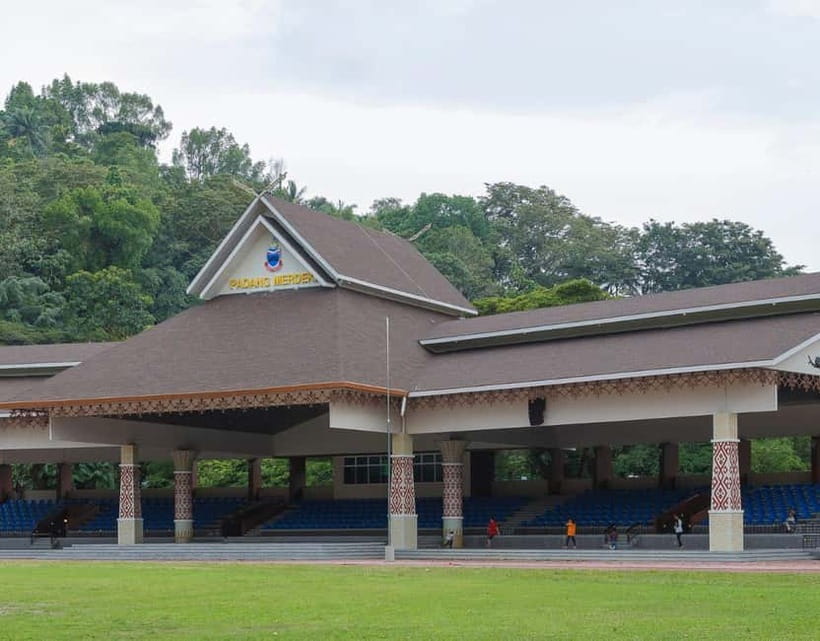
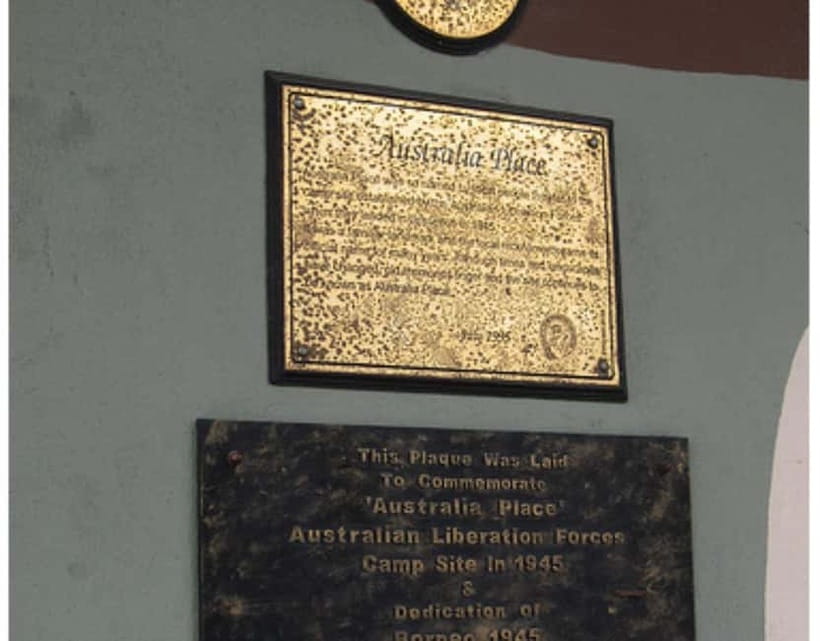
Padang Merdeka, or Field of Independence, connects the sightseeing route to Sabah’s political story. It is linked with the state’s journey toward independence, giving your guide another chance to explain how Sabah fits into Malaysia’s broader national history.
The field itself is not presented as a long museum visit. Its importance comes from the stories attached to the place. This is exactly the sort of stop where a local guide earns the fee by explaining what a visitor would otherwise see as an open public space.
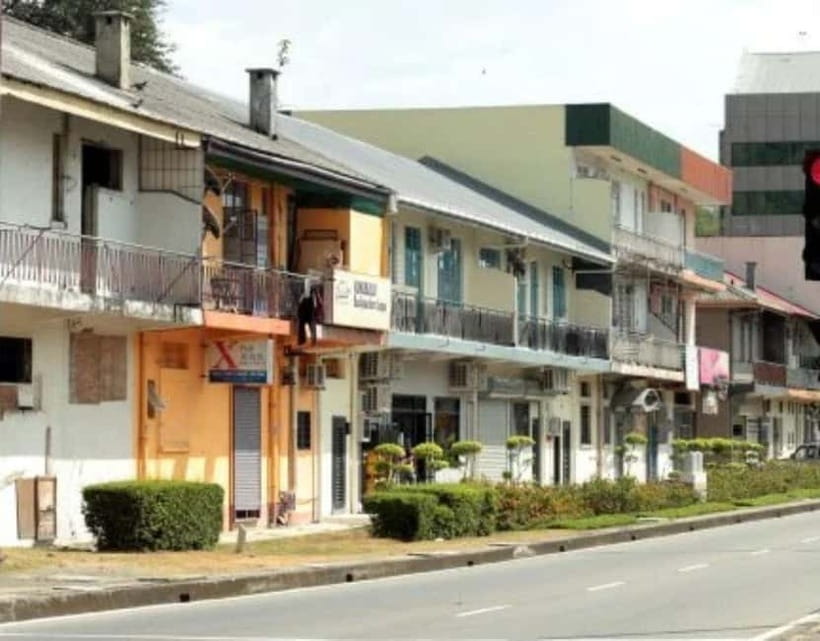
From there, the tour reaches Gaya Street and Australia Lane. These streets bring a more social and commercial feel, with shops, local stories, and street culture. You will walk rather than simply view them through a vehicle window, so comfortable shoes are sensible.
Gaya Street is also connected with the lunch portion in some departures. One useful strength of this section is the chance to combine food, walking, and conversation. A past participant particularly enjoyed walking along Gaya Street and having lunch, while another valued the introductions to local people and shop owners.
Keep your camera ready, but do not let photographs become the whole point. The best use of these streets is to notice how Kota Kinabalu’s public life unfolds between formal landmarks. Your guide can also help you understand what is worth returning to later on your own.
Lunch with Sabahan flavours
Lunch is included at a selected local restaurant, and this is more important than it may first sound. Food gives you a direct way to understand a place. You are not only looking at buildings and hearing dates. You are tasting part of Sabah’s daily culture.
The exact restaurant and menu are not specified, so you should not book this expecting a named dish or a particular style of cooking. The useful promise is a handpicked local meal and more conversation about food traditions. If you have dietary restrictions, ask the operator before departure, since the available information does not describe substitutions.
A good lunch also gives the guide time to continue the discussion in a relaxed setting. The tour’s strongest feedback focuses on Timmy’s stories, humor, and ability to make people feel comfortable. Several participants valued his explanations of food as well as his willingness to try new dishes with them.
The meal takes about an hour in the stated schedule. That is a generous share of a four-hour tour, but it makes sense. A rushed meal would turn lunch into simple fuel. Here, it is intended as part of the cultural experience.
What makes Timmy important to the experience
The guide is the main variable in a city tour, and Timmy receives the strongest praise. He is described as friendly, funny, professional, flexible, and good at telling stories. One person traveling alone found that he took time to make the experience personal and even helped take photographs.
That personal attention matters when a tour includes places that may look ordinary without explanation. A market, government building, or open field can seem unremarkable if you only hear a name and take a picture. Timmy’s role is to connect each stop to Sabah’s culture, government, architecture, and food.
He is also available for tours in English or Chinese. The experience is described as led by an experienced driver-guide, so transport and guiding are handled together in the MPV.
Do keep the praise in proportion. A strong guide cannot change the length of the tour or guarantee that every attraction will suit your interests. One participant found the university and aquarium section uninteresting and wanted more historical sites. That is useful advice: the guide may be excellent, but the route still needs to match what you want to see.
Timing, transport, and value at $66
The price is $66 per person for four hours, including MPV transport, an experienced driver-guide, attraction entry fees, sightseeing stops, and lunch. I would judge the value by comparing it with what you would otherwise need to arrange separately: transport between scattered sites, a private guide, entrance costs, and a local meal.
For a solo visitor or a couple who want a private-feeling introduction without planning every detail, that package can make sense. The value is strongest if you care about context and conversation, not just being driven to photo stops.
The tour is not designed for a slow, detailed study of every attraction. You will cover several places in a short period, with roughly 20 minutes allowed at some photo and walking stops. If you prefer to spend an hour inside one museum or temple, this will feel too broad.
The route also includes about 20 minutes of transport at the beginning and another 20 minutes returning to Kota Kinabalu. That leaves a practical amount of time for the city itself, but traffic and the exact pickup point can affect the pace. Starting early in your trip helps you decide which sites deserve a later, longer visit.
Free cancellation is available up to 24 hours before the activity for a full refund, and you can reserve now and pay later. Starting times depend on availability, so check the current options when booking.
Who should book this city tour?
I would recommend it to first-time visitors who want a guided introduction to Kota Kinabalu without committing to a full-day excursion. It suits couples, solo visitors, and anyone who wants help understanding the city’s religious and political landmarks.
It is also a good match for people who enjoy food as part of sightseeing. The local lunch and market visit give the tour a more grounded feel than a route made only of buildings and viewpoints.
Families may appreciate the short duration and private MPV transport, though the supplied information does not specify child pricing or special facilities. Ask the operator directly if those details matter for your group.
I would be more cautious if your main goal is detailed museum time, architecture photography, or a long interior visit at every religious site. The tour moves across many themes, and one past departure included an aquarium and university section that did not appeal to everyone. Also check the status of the observatory, since it has been reported closed.
Should you book the Kota Kinabalu Culture and Heritage Tour?
Book this tour if you want a well-organised first look at Kota Kinabalu, especially if a guide’s stories matter as much as the sights. The combination of Yayasan Sabah, Kinabalu Tower, Puh Toh Tze Temple, the Floating Mosque, a seaside market, Gaya Street, and local lunch gives you a useful introduction to the city’s many sides.
The best reason to choose it is Timmy’s reported approach: friendly, flexible, attentive, and strong on stories. The main reason to hesitate is the compact schedule and the possibility that part of the route may include stops you find less engaging.
Before paying, confirm the current route, ask what the marine-life or aquarium portion includes, and check the mosque arrangements if you are visiting on Friday. If those details suit you, $66 is a fair price for transport, food, entry fees, and a guide who can help Kota Kinabalu make sense.
FAQ
How long is the Kota Kinabalu city tour?
The tour lasts four hours, including transportation, sightseeing, walking, and lunch.
How much does the tour cost?
The listed price is $66 per person.
What language is the tour offered in?
Live guiding is available in English and Chinese.
Is lunch included?
Yes. The tour includes a local lunch at a selected restaurant, with Sabahan food and discussion of local food traditions.
What transport is provided?
Transport is provided in a comfortable MPV car, with an experienced driver-guide.
Which main attractions are included?
The route includes Yayasan Sabah, Kinabalu Tower, Puh Toh Tze Temple, Masjid Bandaraya Kota Kinabalu, also called the Floating Mosque, Australia Lane, and Padang Merdeka. It also includes market and street visits.
Can you visit the inside of the Floating Mosque?
On Fridays, the mosque visit is limited to an exterior view because of prayer sessions. The supplied information does not promise an interior visit on other days, so confirm the current arrangements.
Where does the tour begin and end?
Pickup is in Kota Kinabalu, and the tour returns to Kota Kinabalu at the end.
Can you cancel for a refund?
Yes. You can cancel up to 24 hours in advance for a full refund. The tour also offers a reserve-now, pay-later option.
Just added around Kota Kinabalu
- Sabah: White Water Rafting Grade 3-4 at Padas River★ 4.7 · 3 reviews
- Full-Day Sepilok Orangutan and Sandakan City Trail from Kota Kinabalu★ 4.0 · 6 reviews
- Island Hopping ( Manukan & Sapi Island ) From Kota Kinabalu★ 4.5 · 9 reviews
- Mangrove Kayaking Experience in Borneo★ 5.0 · 8 reviews
- Sunset E-Foil Experience in Tanjung Aru Beach★ 5.0 · 10 reviews
- Join us for a RAID Try Dive in Kota Kinabalu★ 5.0 · 27 reviews
- Padas River White Water Rafting from Kota Kinabalu (Grade 3 & 4)★ 3.5 · 4 reviews
- Monsopiad Cultural Village Visit with Private Transfer from Kota Kinabalu★ 4.5 · 5 reviews
Historical Tours, compared.
Historical Malacca Guided Day Tour (Shared Tour)
Read our review →
Historical Malacca Day Tour from Kuala Lumpur (Private Tour)
Read our review →
Private Half-day Batu Caves and Cultural Tour Kuala Lumpur *2026*
Read our review →
Malacca Historical Private Tour With Personal Chauffeur
Read our review →Browse the lists this tour appears in