
Reviewed · CULTURAL VILLAGE TOURS
Kota Kinabalu: Mari Mari Cultural Village Tour
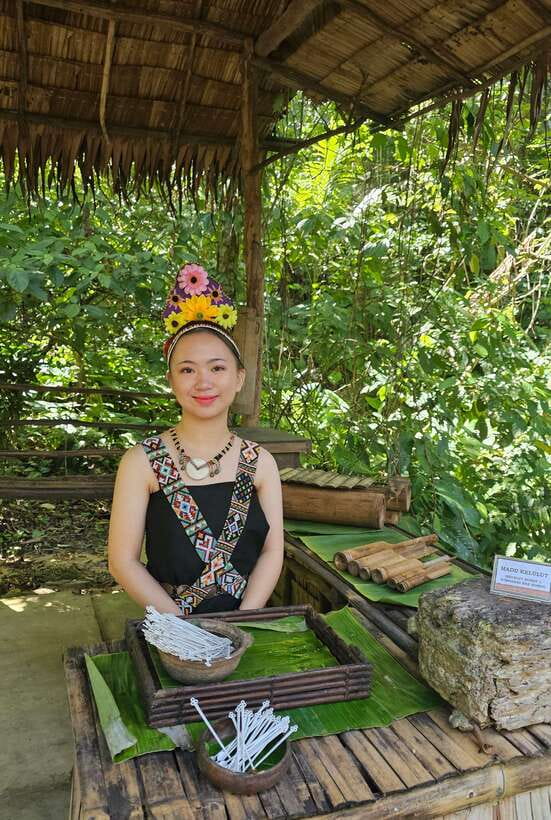
Sabah’s story comes alive through its traditional homes, food samples, craft demonstrations, and dance at Mari Mari Cultural Village. You move from one community area to another, meeting customs linked to the Dusun, Rungus, Lundayeh, Bajau, and Murut peoples. The result is more hands-on than a museum visit.
I like the short transfer from Kota Kinabalu, which takes about half an hour from the city centre, and I like the friendly, active house visits. The staff use demonstrations and participation rather than asking you to stand quietly and read signs. The main drawback is that this is a packaged group outing, so the pace and route are set for you rather than left open for long, private exploration.
In This Review
- Key points to know before you book
- Five cultures presented in one compact village
- The two-hour walk through traditional houses
- Meeting the Dusun and Rungus traditions
- Lundayeh, Bajau, and Murut themes
- The dance show brings the visit together
- Lunch in the morning, high tea in the evening
- What the $106 price includes
- Timing, pickup, and the group format
- Who will get the most from this visit
- Simple ways to prepare
- Should you book Mari Mari Cultural Village?
- FAQ
- How long does the Mari Mari Cultural Village tour last?
- Where can I be picked up?
- Is return transportation included?
- Which languages are available?
- What cultures are presented at the village?
- Is food included?
- Are drinks included?
- Should I bring cash?
- Can I cancel the booking?
Key points to know before you book
- Five Sabah communities in one visit: The route introduces Dusun, Rungus, Lundayeh, Bajau, and Murut traditions.
- A practical half-day outing: The full experience lasts four hours, including transfers, a two-hour guided walk, a dance show, and food.
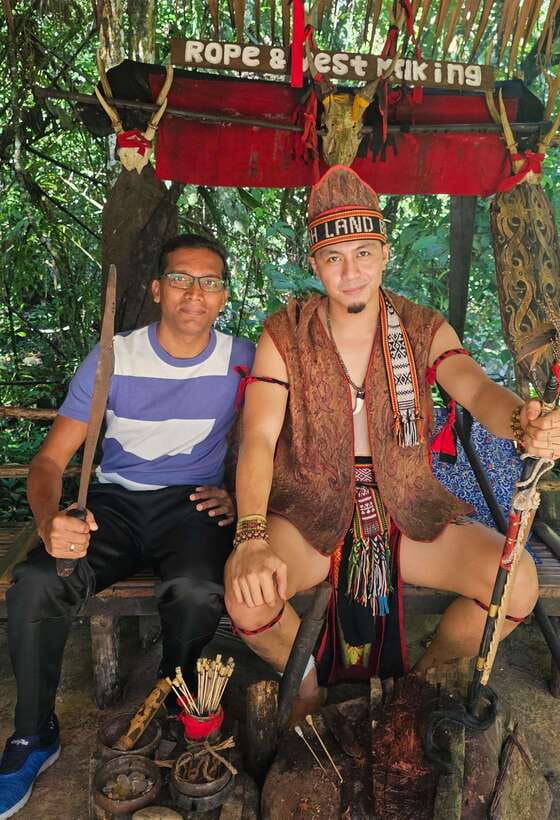
- Plenty of participation: Expect house visits, demonstrations, and tastings rather than a purely historical talk.
- Hotel pickup and return: Several Kota Kinabalu pickup points are offered, with return transfer included.
- Food depends on the session: The morning session includes lunch, while the evening session includes high tea.
- Bring Malaysian ringgit: Drinks and miscellaneous costs are extra, and cash is useful for souvenirs.
Five cultures presented in one compact village
Mari Mari Cultural Village is designed as a cultural introduction to Sabah, not as a functioning rural settlement. That distinction matters. You are seeing traditions arranged in a visitor-friendly setting, but the format lets you cover several cultural groups in one four-hour trip.
The village presents the Dusun and Rungus as farming and trading communities, the Lundayeh as hunters and fishermen, the Bajau through their links with horse riding and life at sea, and the Murut through their warrior traditions. These broad themes give your guide a simple way to explain how work, travel, food, and social customs shaped daily life.
I find this approach useful if you have only a short time in Kota Kinabalu. Sabah is home to many communities, and understanding every group in detail would take much longer than one afternoon. Here, you get a first look at several traditions and a clearer sense of how varied the state is.
The tradeoff is compression. Each community receives only part of the day, so you should treat the outing as an introduction rather than a full study of any one culture. If you want long conversations, independent photography, or a slow visit to one community area, the fixed group schedule may feel brisk.
More Cultural Village Tours in Kota Kinabalu
- Kota Kinabalu: Mari Mari Cultural Village Tour with Lunch
★ 5.0 · 152 reviews - Mari-Mari Cultural Village Tour Including Lunch
★ 4.5 · 45 reviews - Private Tour Kampung Gipsi Sabah Cultural Village Kota Kinabalu
★ 5.0 · 32 reviews
The two-hour walk through traditional houses
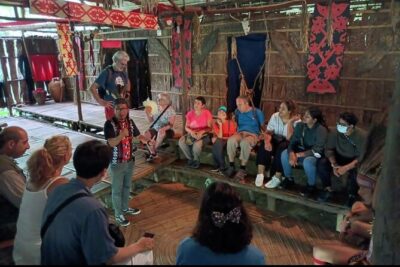
The main portion lasts about two hours and combines a guided walk with house visits. This is the heart of the experience. Your guide leads you from one area to the next, explaining how homes, work, food, and local skills connect to each cultural group.
The value comes from seeing customs in a physical setting. A short explanation of farming or fishing can be hard to picture in a hotel meeting room. Inside a traditional house, the same subject becomes easier to understand because the building, tools, and demonstrations give it a clear setting.
The staff also make the route interactive. You might be asked to take part in a simple activity, watch a skill being demonstrated, or sample something connected with local food. The exact sequence can vary, but the tour is built around doing and tasting as well as listening.
That style suits families and first-time visitors especially well. Children often connect more easily with a demonstration than with a long speech, and adults get useful visual clues about daily life. I would still keep expectations sensible: the supplied details do not promise a full craft workshop or a long personal meeting with community elders.
Comfortable shoes are a good idea because the village visit involves walking. Comfortable clothing, sandals, a hat, and a camera are also suggested. Sabah can feel warm, so you will be happier with light clothing and a charged phone for photographs.
Meeting the Dusun and Rungus traditions
The Dusun and Rungus sections focus on farming and trading. These themes help explain the practical side of community life: how people produced food, exchanged goods, and built relationships beyond their own homes.
I like this part of the route because it shifts the focus away from costumes alone. Traditional clothing can be striking, but agriculture and trade tell you more about how a community functioned. Look for the guide’s explanations of work and exchange, then connect those ideas with the house displays and hands-on stations.
The experience presents cultural identity as something that still matters. One of the useful points made during the tour is that the communities shown are not simply figures from the past. The driver and guide identify themselves with their own ethnic backgrounds, helping connect the presentation to Sabah today.
Still, the format is an arranged presentation. You should listen for context and ask questions, but avoid treating every display as a complete picture of modern Dusun or Rungus life. The tour gives you a starting point, not the final word.
Lundayeh, Bajau, and Murut themes
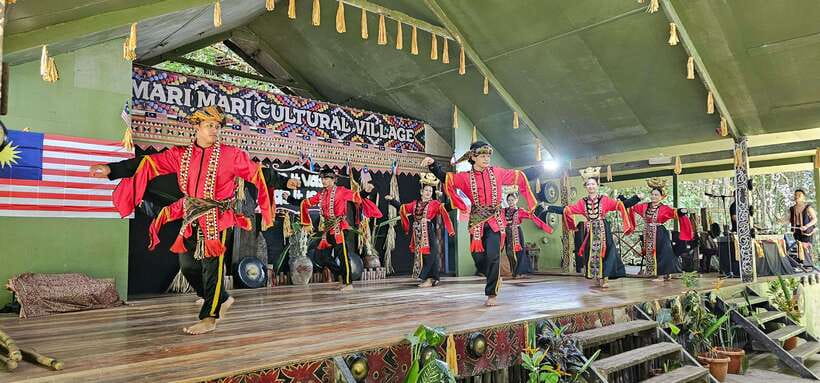
The Lundayeh section introduces hunting and fishing, two activities that show how people used nearby resources and adapted to their surroundings. Even without a long lecture, these themes can help you understand why tools, food, and movement mattered so much in older village life.
The Bajau presentation brings in a different set of ideas, including horsemanship and the sea. The description refers to Bajau communities as adventurous cowboys and sea gypsies, but I would listen for the more practical details beneath those labels. The point is to show how life on land and water shaped identity, work, and travel.
The Murut section centers on the image of the warrior tribe. That can be an engaging part of the route, but it is worth remembering that a dramatic theme is only one part of a larger culture. The house visit and guide’s explanation should help place the warrior tradition alongside ordinary community life.
These sections are most useful when you compare them. The route shows that Sabah does not have one single cultural pattern. Farming, trading, fishing, sea travel, and warrior traditions all appear within the same state, and the compact village makes those contrasts easy to see.
Same city, a completely different kind of day:
- 2D1N Mount Kinabalu Climbing
★ 5.0 · 494 reviews - Guided Snorkeling Day Trip, Kota Kinabalu, Sabah, Malaysia
★ 5.0 · 282 reviews - Borneo (Klias) River Cruise & Fireflies Tour
★ 4.5 · 126 reviews - Sky-Mirror Photographing and Proboscis Monkey & Fireflies Watching River-Cruise
★ 4.0 · 109 reviews
The dance show brings the visit together
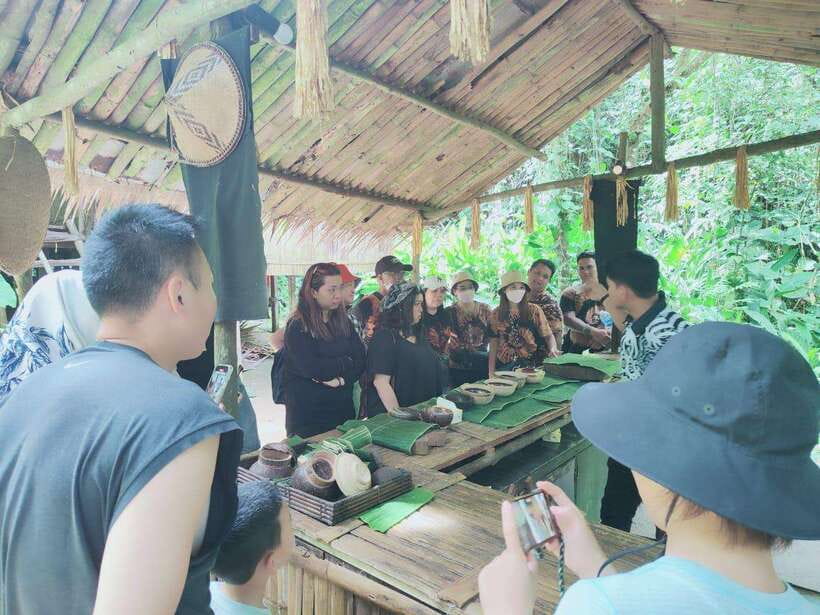
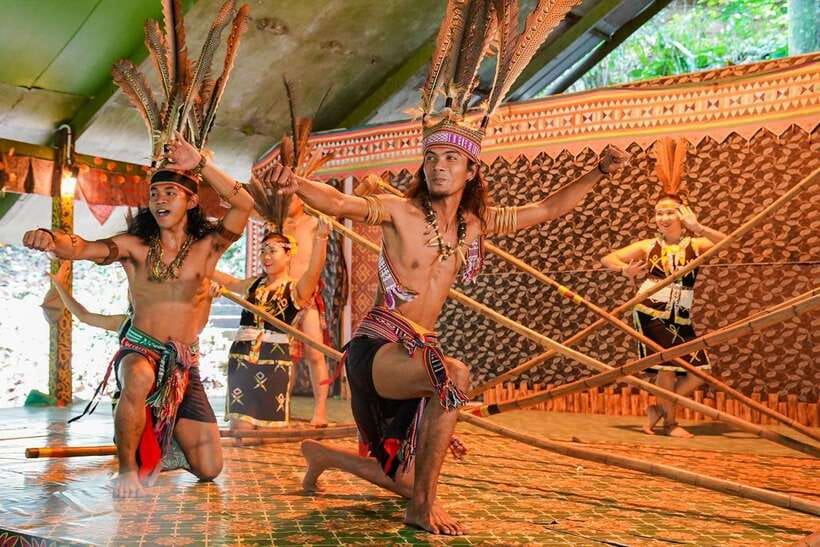
After the guided walk, you watch a traditional dance show lasting about 30 minutes. This is a good change of pace after two hours on foot, and it gives the cultural presentation a strong visual finish.
Dance can communicate movement, dress, rhythm, and group identity faster than a spoken explanation. I like it as the closing performance because it allows you to see cultural expression rather than only hear about it.
The show is part of the planned program, so you should expect a staged performance rather than an informal village gathering. That is not a reason to skip it. It simply helps you judge the experience fairly. This is cultural tourism, with a clear program and an audience, not a spontaneous event you happen to discover.
If you want good photographs, have your camera or phone ready before the performance begins. Bring a charged smartphone, as suggested, and be mindful of the people around you when taking pictures.
Lunch in the morning, high tea in the evening
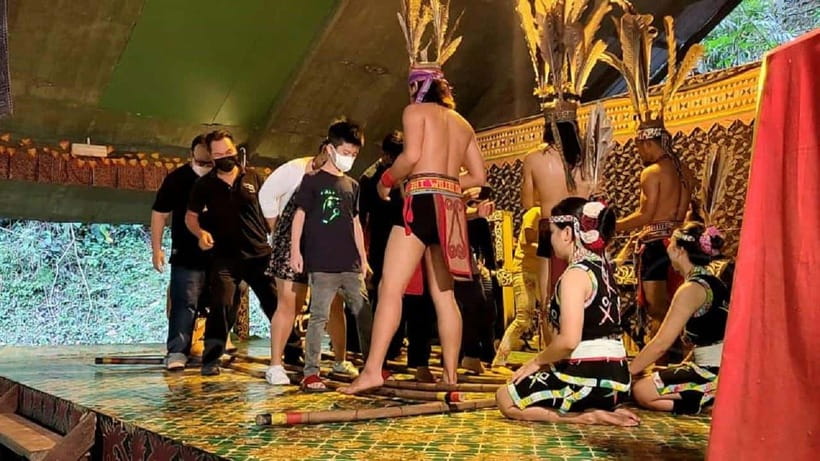
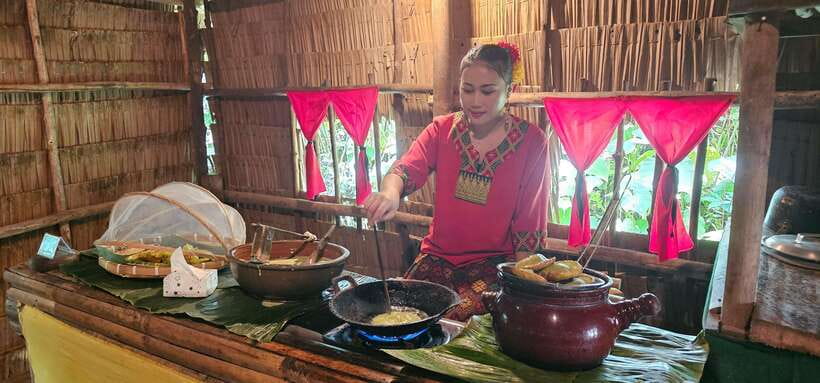
Food is included, but the meal depends on your session. The morning program includes lunch, while the evening program includes high tea. This is an important detail when comparing the tour with other half-day activities.
A meal adds practical value to the $106 price because you do not need to arrange food during the outing. It also gives the day a natural pause after the walking and performance. The supplied details do not specify the exact menu, so I would not book this expecting a particular dish.
Drinks are not included. Bring Malaysian ringgit for beverages, souvenirs, or other small purchases. The tour advises bringing cash just in case you want to buy something, and that is sensible even if you plan to keep spending low.
The food should be viewed as part of the schedule, not the main reason to book. The strongest parts are the house visits, demonstrations, guide commentary, and dance show. If you have dietary concerns, the available information does not state how special requests are handled, so ask the provider before paying.
What the $106 price includes
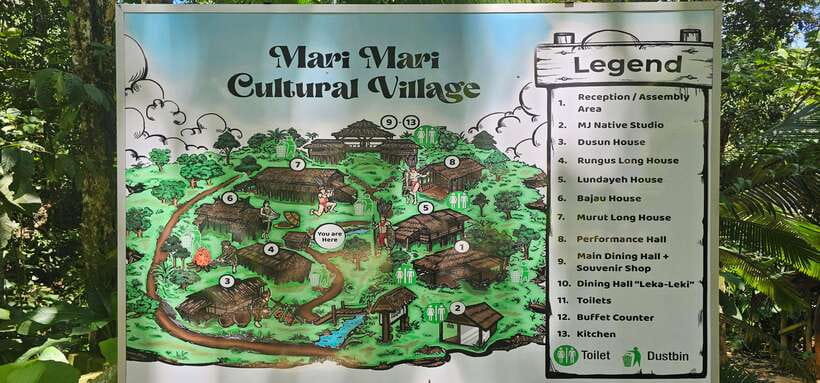
At $106 per person, this is not the cheapest way to spend four hours in Kota Kinabalu. The price makes more sense when you count what is bundled into the outing: return transfer, hotel pickup, entrance fee, an English or Malay-speaking driver and guide, the guided program, cultural performance, and food.
The included transport is valuable if you are staying in Kota Kinabalu and do not want to arrange a taxi or rental car. Pickup choices include Kota Kinabalu, Lintas Plaza, 1 Borneo Mall, Karambunai Resort Golf Club, Rasa Ria Reserve by Shangri-La, and Pan Borneo Hotel Kota Kinabalu. Return service is offered to the same general set of locations.
The vehicle and driver are praised as strong parts of the experience. That matters more than it may sound. A reliable transfer keeps a short cultural outing from becoming a half-day exercise in finding your way across the city.
There are no stated hidden charges, but drinks and miscellaneous expenses are excluded. I would budget a little cash for those items and for souvenirs. The price is strongest for someone who values convenience and a guided introduction. It is less compelling if you already have private transport and prefer to visit cultural sites independently.
Timing, pickup, and the group format
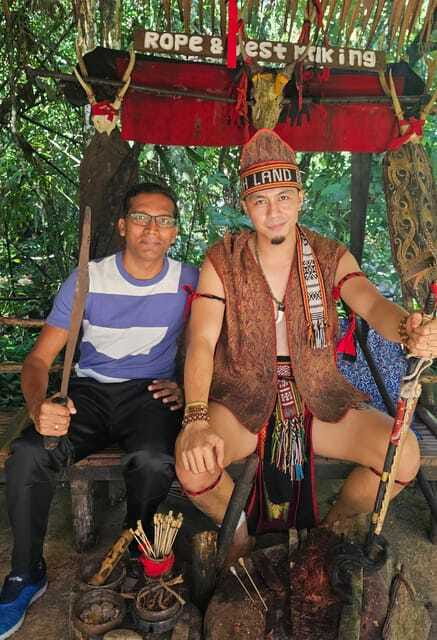
The total duration is four hours, with the cultural village itself taking around two hours for the guided walk, followed by the dance show and meal. The exact starting time depends on availability and on whether you choose the morning or evening session.
You should wait in your hotel lobby from 10 minutes before the scheduled pickup. The activity includes hotel pickup in Kota Kinabalu, with the listed pickup points covering several major areas and hotels. Since the group size is not specified, I would expect a shared outing rather than a private tour.
A shared group has clear advantages. The cost includes transport and a guide, and you can move through the program without planning each stop yourself. The downside is less control over pace. You may need to wait for other people, and the guide’s attention must be shared.
The short transfer from the city centre helps. You are not giving up an entire day to reach the village, and the four-hour format leaves room for another Kota Kinabalu activity afterward. Still, allow some flexibility around pickup and return because shared transport can take longer than the advertised visit itself.
Who will get the most from this visit
I would recommend Mari Mari Cultural Village if you want a clear, organized introduction to Sabah’s cultural groups. It suits first-time visitors, families, couples, and anyone with limited time who wants more than city shopping and hotel facilities.
It is also a good choice if you prefer a guide to explain what you are seeing. The English and Malay language options make the program accessible to many visitors, and the mix of house visits, tastings, demonstrations, dance, and lunch keeps the four hours varied.
You may want a different experience if you are seeking a quiet, independent visit or a long academic treatment of one community. The fixed route and staged presentation are useful for orientation, but they cannot provide the depth of a dedicated cultural research trip.
I also like this tour for people who want practical planning. Pickup, entrance, guiding, and food are handled in one booking. That simplicity has real value when you are on a short holiday and would rather spend your energy seeing Sabah than arranging local transport.
Simple ways to prepare
Bring your passport or ID card, including identification for children. Comfortable shoes are the most important item for the walking section, while a hat, comfortable clothes, sandals, camera, charged smartphone, and drinks can make the visit easier.
Keep some Malaysian ringgit with you. Beverages and miscellaneous charges are not included, and cash is specifically recommended for souvenirs.
Check the meal arrangement before choosing a start time. The morning session includes lunch, while the evening session includes high tea. If food timing matters to your day, this small detail can affect which option works best.
The booking terms are flexible: you can cancel up to 24 hours before the activity for a full refund, and you can reserve now and pay later. Pickup instructions ask you to wait in the lobby 10 minutes before the scheduled time.
Should you book Mari Mari Cultural Village?
Book it if you want an efficient, friendly introduction to five Sabah communities, with transport and admission taken care of. The hands-on house visits, useful cultural contrasts, 30-minute dance show, and reliable driver make this a strong half-day choice from Kota Kinabalu.
Think twice if you dislike staged cultural programs or want to set your own pace. At $106, the value comes from the complete package rather than from a single attraction. For a first visit to Sabah, I think the convenience and range justify the price, especially when you have only a few days and want a well-organized cultural stop.
FAQ
How long does the Mari Mari Cultural Village tour last?
The activity lasts four hours. This includes hotel transfers, a two-hour guided village visit, a 30-minute traditional dance show, and a meal.
Where can I be picked up?
Pickup options include Kota Kinabalu, Karambunai Resort Golf Club, 1 Borneo Mall, Rasa Ria Reserve by Shangri-La, Lintas Plaza, and Pan Borneo Hotel Kota Kinabalu.
Is return transportation included?
Yes. Return transfer and hotel pickup are included, with drop-off options covering Kota Kinabalu, Lintas Plaza, Karambunai Resort Golf Club, Rasa Ria Reserve by Shangri-La, 1 Borneo Mall, and Pan Borneo Hotel Kota Kinabalu.
Which languages are available?
The live guide service is available in English and Malay.
What cultures are presented at the village?
The program introduces Dusun, Rungus, Lundayeh, Bajau, and Murut traditions.
Is food included?
Yes. The morning session includes lunch, while the evening session includes high tea.
Are drinks included?
No. Beverages and other miscellaneous charges are not included.
Should I bring cash?
Yes. Malaysian ringgit is recommended if you want to buy souvenirs or pay for drinks and other small expenses.
Can I cancel the booking?
You can cancel up to 24 hours in advance for a full refund. The tour also offers a reserve-now, pay-later option.
Just added around Kota Kinabalu
- Sabah: White Water Rafting Grade 3-4 at Padas River★ 4.7 · 3 reviews
- Full-Day Sepilok Orangutan and Sandakan City Trail from Kota Kinabalu★ 4.0 · 6 reviews
- Mangrove Kayaking Experience in Borneo★ 5.0 · 8 reviews
- Sunset E-Foil Experience in Tanjung Aru Beach★ 5.0 · 10 reviews
- Island Hopping ( Manukan & Sapi Island ) From Kota Kinabalu★ 4.5 · 9 reviews
- Join us for a RAID Try Dive in Kota Kinabalu★ 5.0 · 27 reviews
- Padas River White Water Rafting from Kota Kinabalu (Grade 3 & 4)★ 3.5 · 4 reviews
- Monsopiad Cultural Village Visit with Private Transfer from Kota Kinabalu★ 4.5 · 5 reviews
Cultural Village Tours, compared.

Private Tour Kampung Gipsi Sabah Cultural Village Kota Kinabalu
Read our review →
Mari-Mari Cultural Village Visit + Lunch + transfer
Read our review →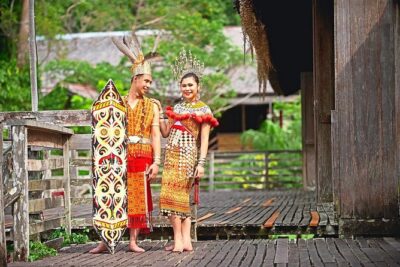
Browse the lists this tour appears in