

Reviewed · CULTURAL VILLAGE TOURS
Mari Mari Cultural Village Tour from Kota Kinabalu
Mari Mari Cultural Village gives you a guided look at five indigenous Sabah cultures in one well-organized visit. You cross a suspension bridge, meet a village chief, watch fire-starting and blowpipe-making demonstrations, and finish with a colorful traditional dance show and lunch.
I like the small group limit of 15, which gives you a better chance to hear your guide and ask questions. I also like the easy hotel pickup and the roughly 40-minute drive from Kota Kinabalu. The main drawback is that this is a staged cultural attraction, not a visit to a working village, so you should come for interpretation and demonstrations rather than an unplanned encounter with daily life.
In This Review
- Key points at a glance
- Why Mari Mari is a useful introduction to Sabah
- The drive from Kota Kinabalu to Inanam
- Crossing the bridge and meeting the chief
- Five cultures, five different points of interest
- Fire-starting and blowpipe-making demonstrations
- The dance show and why it works as a finale
- Lunch inside the village
- Timing, walking, and what to bring
- Is the $145.43 price good value?
- Who should book this cultural tour?
- Booking and cancellation details
- Should you book Mari Mari Cultural Village?
- FAQ
- How long does the Mari Mari Cultural Village tour last?
- What time does hotel pickup take place?
- Is hotel pickup and drop-off included?
- Is there an extra fee for 1 Borneo and outskirt hotels?
- Which ethnic groups are represented at Mari Mari Cultural Village?
- Is lunch included?
- What should I bring?
- Can the tour be canceled if too few people book?
Key points at a glance
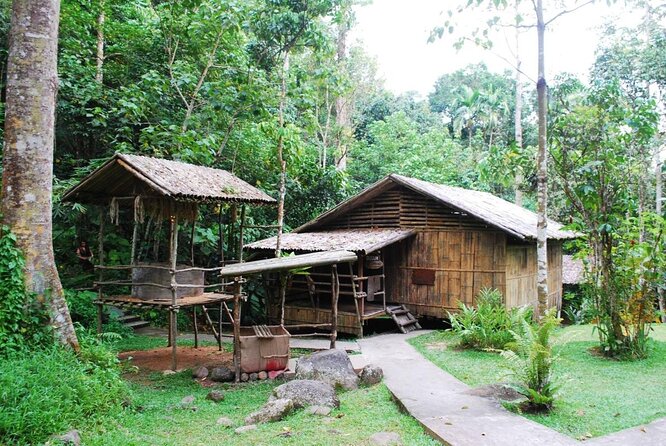
- Five ethnic traditions in one visit: Learn about the Dusun, Rungus, Murut, Bajau, and Lundayeh peoples in a single half-day outing.
- A proper welcome ceremony: Your visit begins with village rules, a greeting from the chief, and a custom ceremony before you enter.
- Hands-on demonstrations: Fire-starting and blowpipe-making help turn cultural explanation into something you can see and remember.
- A strong closing performance: The colorful dance show is the tour’s main finale and a highlight for many first-time visitors.
- Simple Kota Kinabalu logistics: Air-conditioned transport, hotel or cruise terminal pickup, entry, an English-speaking guide, and lunch are included.
- Two departure choices: You can book a morning pickup around 9 a.m. or an afternoon pickup around 2 p.m.
Why Mari Mari is a useful introduction to Sabah
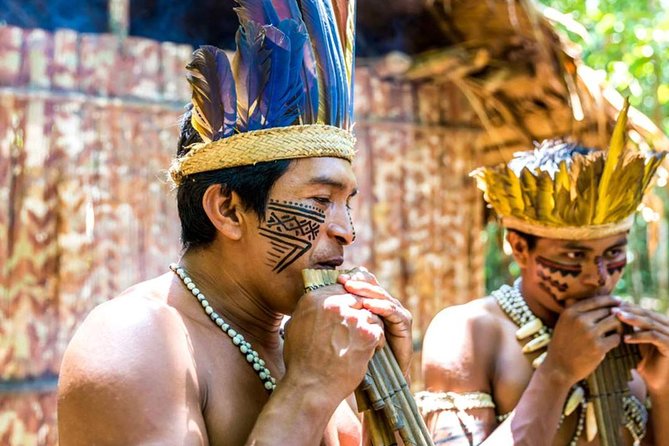
Sabah is home to many ethnic groups, and Mari Mari Cultural Village offers a compact way to meet five of them without arranging separate visits across the region. The Dusun, Rungus, Murut, Bajau, and Lundayeh communities each have their own customs, stories, homes, and performance traditions.
That makes this a good first cultural stop in Kota Kinabalu. You get a broad overview before deciding which parts of Sabah’s culture you want to explore in more depth. The setting also helps families and first-time visitors, since the information comes in short demonstrations and guided stops rather than long classroom-style talks.
I would keep your expectations clear. This is a recreated cultural village designed for visitors. It presents traditional ways of life in a controlled setting, with a planned route and scheduled performances. That structure is useful because you know what you are seeing, but it also means the experience is more polished than spontaneous.
The best reason to book is convenience combined with variety. In around five hours, including transportation, you can see several cultural displays, eat lunch, and return to your hotel without having to manage local driving or separate admission tickets.
More Cultural Village Tours in Kota Kinabalu
- Kota Kinabalu: Mari Mari Cultural Village Tour with Lunch
★ 5.0 · 152 reviews - Mari-Mari Cultural Village Tour Including Lunch
★ 4.5 · 45 reviews - Private Tour Kampung Gipsi Sabah Cultural Village Kota Kinabalu
★ 5.0 · 32 reviews
The drive from Kota Kinabalu to Inanam
Pickup is offered from Kota Kinabalu hotels and cruise terminals, with the stated pickup times around 9 a.m. and 2 p.m. The village is in the Inanam area, and the drive takes about 40 minutes according to the supplied tour details.
That drive matters more than it may seem. You can look out at Sabah’s scenery instead of worrying about directions, parking, or arranging transport back to town. The vehicle is air-conditioned, a welcome feature in Sabah’s warm climate.
Pickup rules need a close look when you book. Hotels in the 1 Borneo area and other outlying locations carry an additional charge of USD 9 per person. You also need to select the correct pickup point, especially if you are arriving by cruise ship rather than staying at a hotel.
The tour requires at least four people to operate and accepts no more than 15. The minimum means a booking can be canceled if not enough people sign up, though you are offered another date, another experience, or a full refund in that case. The 15-person maximum is a practical advantage, since a smaller group is easier to keep together across the village.
Crossing the bridge and meeting the chief
When you arrive, you receive a briefing on the village rules before entering. This is a small but useful start. It explains how the visit works and sets the tone for a place where cultural customs are presented with care.
You then cross a suspension bridge into Mari Mari. The bridge adds a memorable physical transition, moving you from the road and vehicle into the village setting. It also helps the visit feel like a distinct outing rather than just another indoor cultural exhibit.
A chief welcomes you as part of a custom ceremony. This is not a casual photo opportunity tacked onto the beginning of the tour. It frames the village as a place where greetings, respect, and community roles matter.
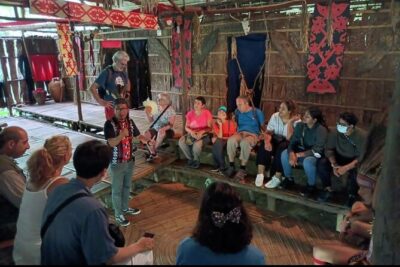
Your English-speaking guide leads the visit and explains the differences among the five groups. One guide introduced himself as Ariel, a name he said would be easier for visitors to remember. His clear English and friendly approach were especially useful for explaining tribal differences and historical details without making the information feel remote.
Guide quality matters here. The buildings and demonstrations provide the setting, but your guide connects them. If you have a question about why a home is built a certain way or how one group differs from another, this is the time to ask.
Five cultures, five different points of interest
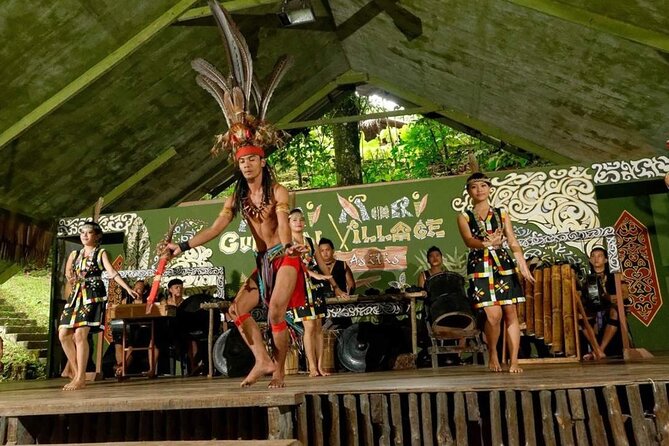
Mari Mari brings together the Dusun, Rungus, Murut, Bajau, and Lundayeh. The tour presents each group through traditional homes, stories, customs, and dance.
You should not expect every detail to be covered with equal depth during a half-day visit. The value is the comparison. Seeing several traditions side by side helps you notice that Sabah is not one single cultural block.
The tour materials specifically describe each ethnic group as having its own stories, traditional dances, and historical background. Listen for those contrasts instead of trying to memorize every name. A good guide will help you understand the broad picture first.
The homes are arranged in a bush setting, giving the village a rural feel. The visit is organized, but the setting keeps it from feeling like a standard museum room with labels on every wall. You move through different spaces and learn by watching demonstrations and listening to explanations.
This format works well for families. Children have physical things to look at and activities to follow, while adults get a basic introduction to Sabah’s cultural mix. It also suits visitors with only a short stay in Kota Kinabalu, since the tour gathers so much in one place.
Same city, a completely different kind of day:
- 2D1N Mount Kinabalu Climbing
★ 5.0 · 494 reviews - Guided Snorkeling Day Trip, Kota Kinabalu, Sabah, Malaysia
★ 5.0 · 282 reviews - Borneo (Klias) River Cruise & Fireflies Tour
★ 4.5 · 126 reviews - Sky-Mirror Photographing and Proboscis Monkey & Fireflies Watching River-Cruise
★ 4.0 · 109 reviews
Fire-starting and blowpipe-making demonstrations

The demonstrations are among the most useful parts of the visit because they show practical skills rather than only costumes and dance. Fire-starting gives you a direct look at how a basic survival task could be handled with traditional methods.
Blowpipe-making adds another practical element. You see how a tool connected with indigenous Borneo traditions is presented and explained. These demonstrations give the guide something concrete to discuss, which makes the cultural information easier to retain.
Do not expect a full workshop where you spend hours making an object yourself. The supplied details describe demonstrations, so think of this as a close look at traditional techniques rather than a craft course.
I like this part of the program because it gives the visit some substance between the welcome ceremony and the final performance. You are not only watching a show. You are also seeing how traditional knowledge can be represented through tools, materials, and everyday skills.
The dance show and why it works as a finale
The cultural dance performance comes near the end and provides the tour’s biggest burst of color and movement. Traditional dance is presented as part of the identity of the five groups, and the show brings those ideas together in a way that is easy to follow.
The performance was described as colorful and entertaining, and another assessment called the culminating show exceptional. Those details point to the show being a major strength of the experience, especially if you want a lively ending after the slower walking tour.
You will probably get more from the performance if you listen to the guide’s explanations beforehand. Without context, traditional dance can blur into a sequence of costumes and music. With context, you can watch for differences in movement, presentation, and cultural purpose.
The show is also a good reason to bring a camera, but remember to stay within the village’s rules. The opening briefing exists for a reason, and respectful behavior matters more than getting the perfect photograph.
Lunch inside the village
Lunch is served at Mari Mari rather than after you return to Kota Kinabalu. That keeps the day moving and means you do not have to find a restaurant between the cultural stops.
The supplied details describe the food as very good, but they do not provide a menu or information about dietary requirements. If you have allergies or special food needs, ask the operator before booking rather than assuming the included meal will suit you.
Having lunch inside the village also gives you a pause after the walking and performances. Bring a little extra money for personal purchases, as the preparation notes recommend extra pocket money. No specific shopping arrangements or included purchases are listed, so treat this as optional spending rather than part of the tour cost.
Timing, walking, and what to bring
The full outing lasts about five hours, while the visit at Mari Mari itself is listed at around three hours. The rest is mainly pickup, driving, and returning to your hotel.
You can choose a morning or afternoon departure. A morning start around 9 a.m. leaves more of the day free afterward. The 2 p.m. option may fit better if you prefer a slower morning, though it will occupy much of the afternoon and early evening once driving is included.
The village involves walking, including the suspension bridge and movement between the different homes and demonstration areas. Bring comfortable walking shoes, sandals, or slippers. Casual clothing is recommended, along with a cap or hat for sun protection.
The tour notes say most people can participate, but no detailed accessibility information is provided. If you have concerns about the bridge, walking surfaces, or mobility, contact Asni Tours & Travel before booking.
Is the $145.43 price good value?
At $145.43 per person, this is not the cheapest way to spend half a day near Kota Kinabalu. The value comes from what is bundled together: hotel or cruise terminal pickup and return, an air-conditioned vehicle, an English-speaking guide, village admission, lunch, and several cultural presentations.
If you tried to arrange the same pieces separately, transport and entry would still need to be organized, and you would lose the benefit of a guide who explains the differences among the five groups. For a first visit to Sabah, that convenience can justify the price.
The price makes less sense if you mainly want an unstructured visit to local communities or if you already have extensive knowledge of Sabah’s indigenous cultures. This attraction follows a set route and timetable, so independent-minded visitors may find it too managed.
Group discounts are available, though the amount is not stated. A small group of up to 15 keeps the tour from feeling like a large coach outing. If you are booking with family or friends, check the group rate before paying, since it may improve the value.
A 30 percent surcharge applies during super peak or festive periods and must be paid on the day of travel. That can change the final cost considerably, so check your travel dates carefully.
Who should book this cultural tour?
I would recommend Mari Mari to families, first-time visitors to Kota Kinabalu, and anyone who wants a clear introduction to Sabah without handling local transport. The mix of ceremonies, homes, practical demonstrations, dance, and lunch gives you enough variety to hold attention across the half-day.
It is also a good fit if you are staying in Kota Kinabalu for only a few days. You can see five cultural traditions in one trip and still have time for other activities in the city.
You may want to skip it if you prefer independent travel, intimate contact with living communities, or long stretches of quiet observation. The village is a visitor attraction with a planned program, and that is both its strength and its limitation.
The guide can make a major difference. An English-speaking guide such as Ariel, who can explain the tribal differences clearly and answer questions, adds real value to a program that could otherwise become a quick walk past buildings and costumes.
Booking and cancellation details
Confirmation is provided when you book, and mobile tickets are available. Free cancellation applies if you cancel at least 24 hours before the experience begins. Cancellations or changes made within 24 hours are not accepted for a refund.
The cutoff is based on local time. If the minimum number of four people is not reached and the operator cancels the tour, you are offered a different date or experience, or a full refund.
Should you book Mari Mari Cultural Village?
Book it if you want an easy, well-paced introduction to Sabah’s Dusun, Rungus, Murut, Bajau, and Lundayeh cultures, especially if you value hotel pickup and a guide who can explain what you are seeing. The dance performance, practical demonstrations, lunch, and manageable group size give the outing a good range of experiences.
Think twice if you want an unplanned village visit or a completely independent cultural encounter. At $145.43, plus possible surcharges and an outskirt pickup fee, the tour earns its price through convenience and structure. For many first-time visitors, that tradeoff is worthwhile.
FAQ
How long does the Mari Mari Cultural Village tour last?
The complete experience lasts about five hours, including transportation from Kota Kinabalu. Time at Mari Mari Cultural Village itself is listed at around three hours.
What time does hotel pickup take place?
Pickup is offered around 9 a.m. for the morning departure or around 2 p.m. for the afternoon departure.
Is hotel pickup and drop-off included?
Yes. Hotel or cruise terminal pickup and drop-off are included when you select the correct pickup point during booking.
Is there an extra fee for 1 Borneo and outskirt hotels?
Yes. Pickup and drop-off from 1 Borneo Hotels and outlying hotels cost an additional USD 9 per person.
Which ethnic groups are represented at Mari Mari Cultural Village?
The village presents the Dusun, Rungus, Murut, Bajau, and Lundayeh ethnic groups.
Is lunch included?
Yes. Lunch is served inside Mari Mari Cultural Village and is included in the tour.
What should I bring?
Bring a cap or hat, extra pocket money, comfortable walking shoes, sandals or slippers, and casual clothing.
Can the tour be canceled if too few people book?
Yes. A minimum of four people is required for the tour to operate. If the operator cancels because the minimum is not met, you are offered another date or experience, or a full refund.
Just added around Kota Kinabalu
- Sabah: White Water Rafting Grade 3-4 at Padas River★ 4.7 · 3 reviews
- Full-Day Sepilok Orangutan and Sandakan City Trail from Kota Kinabalu★ 4.0 · 6 reviews
- Mangrove Kayaking Experience in Borneo★ 5.0 · 8 reviews
- Sunset E-Foil Experience in Tanjung Aru Beach★ 5.0 · 10 reviews
- Island Hopping ( Manukan & Sapi Island ) From Kota Kinabalu★ 4.5 · 9 reviews
- Join us for a RAID Try Dive in Kota Kinabalu★ 5.0 · 27 reviews
- Padas River White Water Rafting from Kota Kinabalu (Grade 3 & 4)★ 3.5 · 4 reviews
- Monsopiad Cultural Village Visit with Private Transfer from Kota Kinabalu★ 4.5 · 5 reviews
Cultural Village Tours, compared.

Private Tour Kampung Gipsi Sabah Cultural Village Kota Kinabalu
Read our review →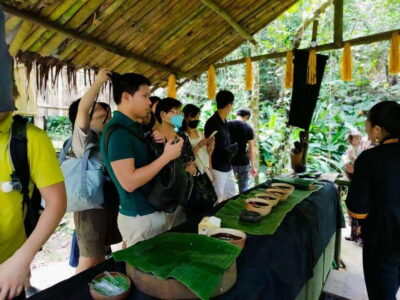
Mari-Mari Cultural Village Visit + Lunch + transfer
Read our review →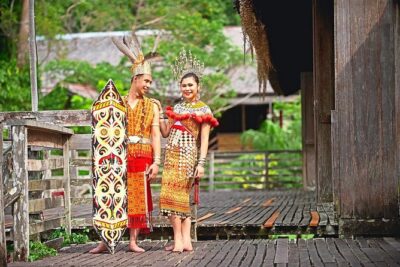
Browse the lists this tour appears in